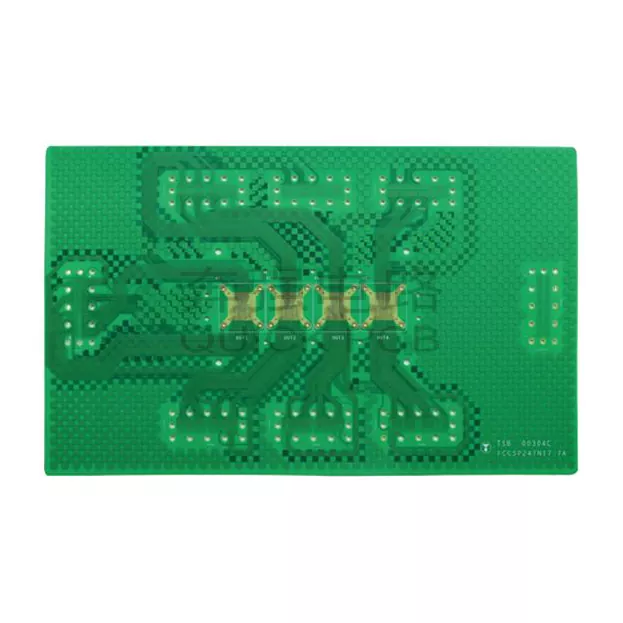
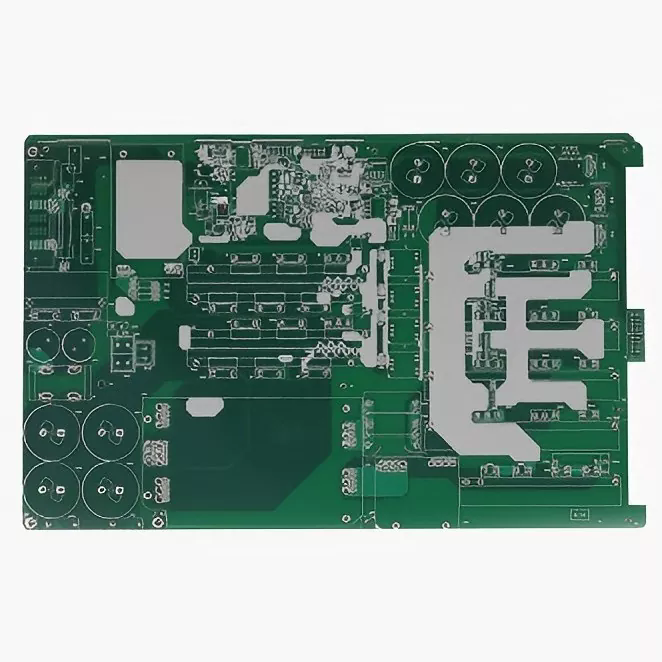
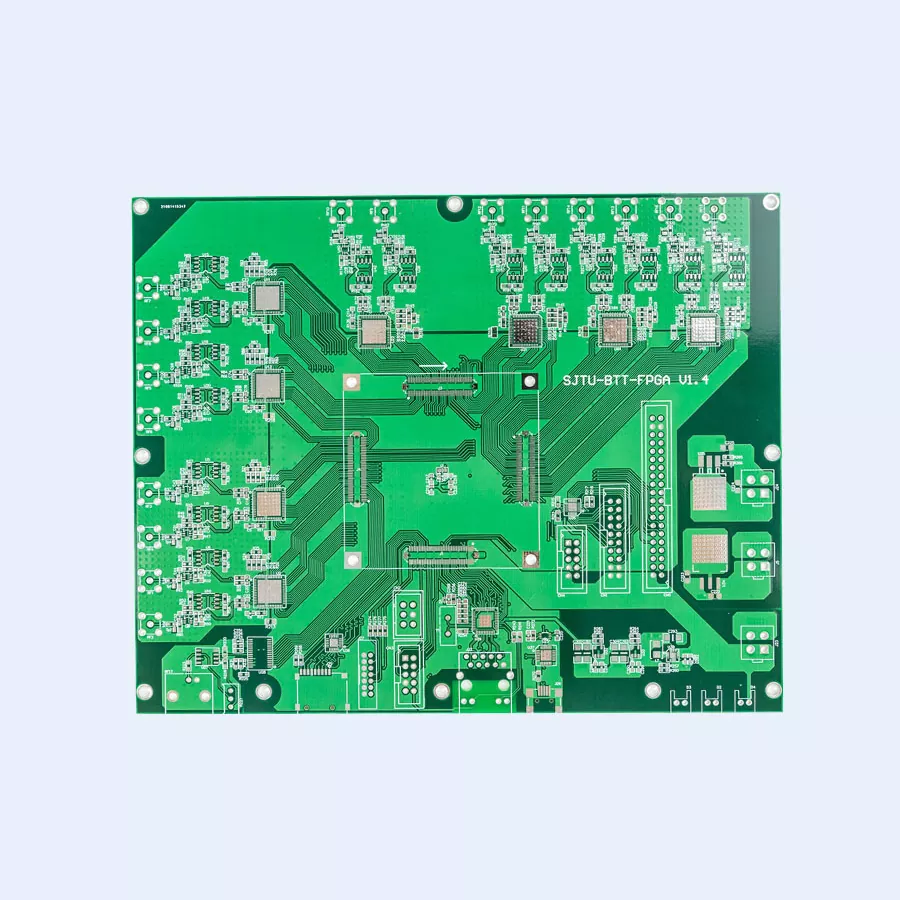
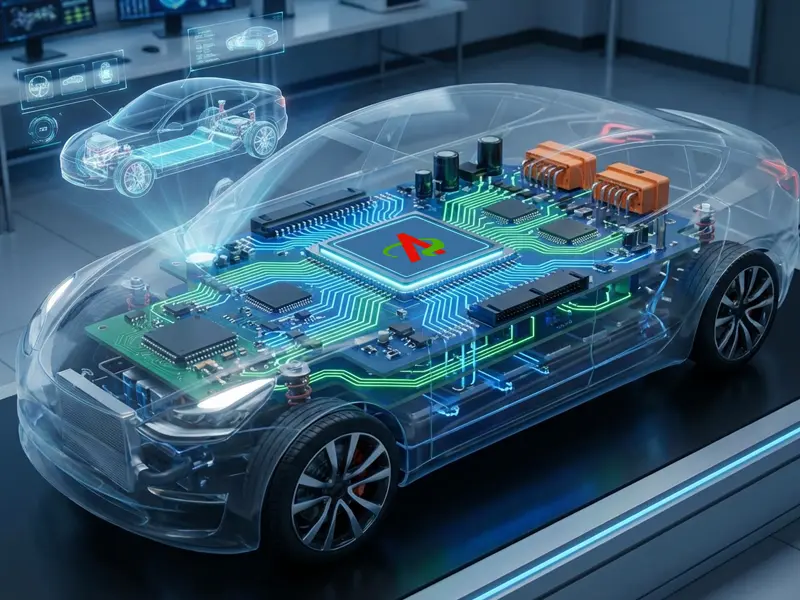
1. HDI and miniaturization have become the mainstream.
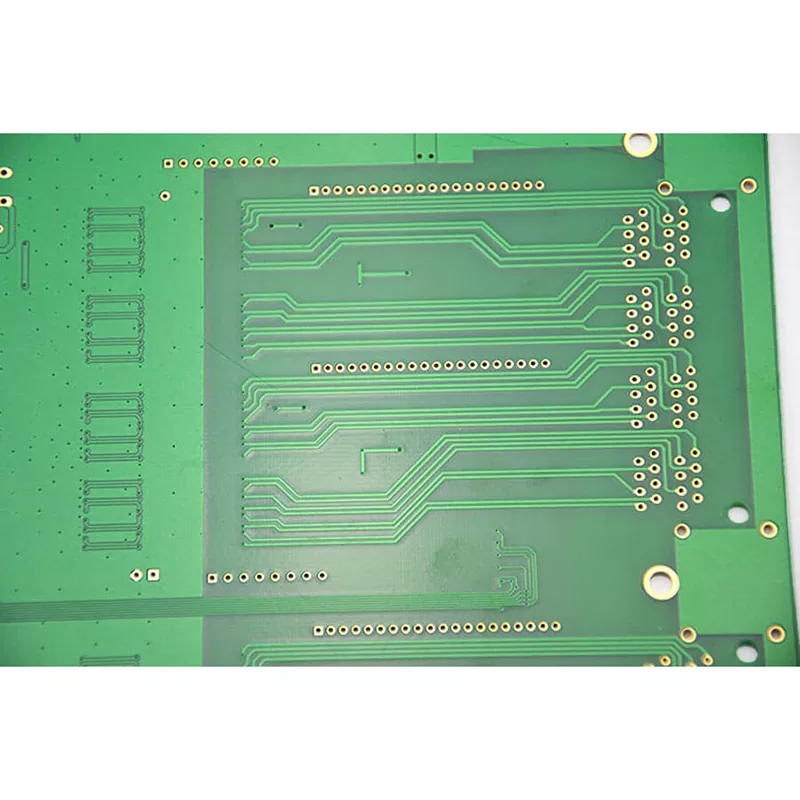
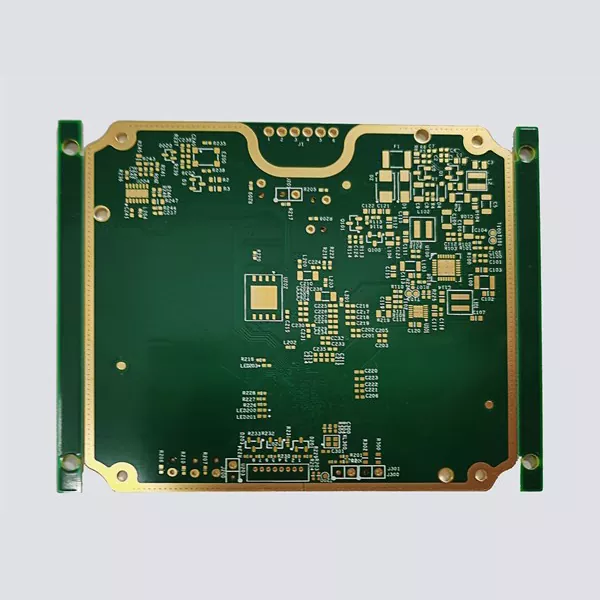
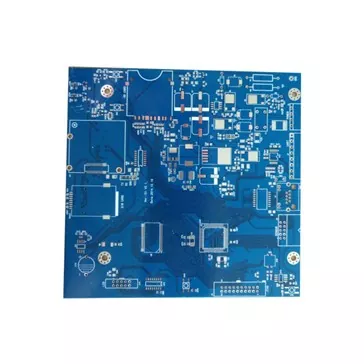
The application of High-Density Interconnection (HDI) technology in the medical electronics field continues to deepen. With the popularity of wearable medical devices and portable diagnostic instruments, PCBs need to integrate more complex circuits in a smaller space. The global HDI PCB market is valued at approximately 14.5 billion US dollars in 2026, and medical electronics is one of the important driving fields.
The HDI technology achieves high-performance in a compact size through micro-holes, fine circuits and advanced layering design, and is particularly suitable for medical devices that have strict requirements for space and signal integrity.
2. Demand for flexible and flex-rigid hybrid boards is on the rise
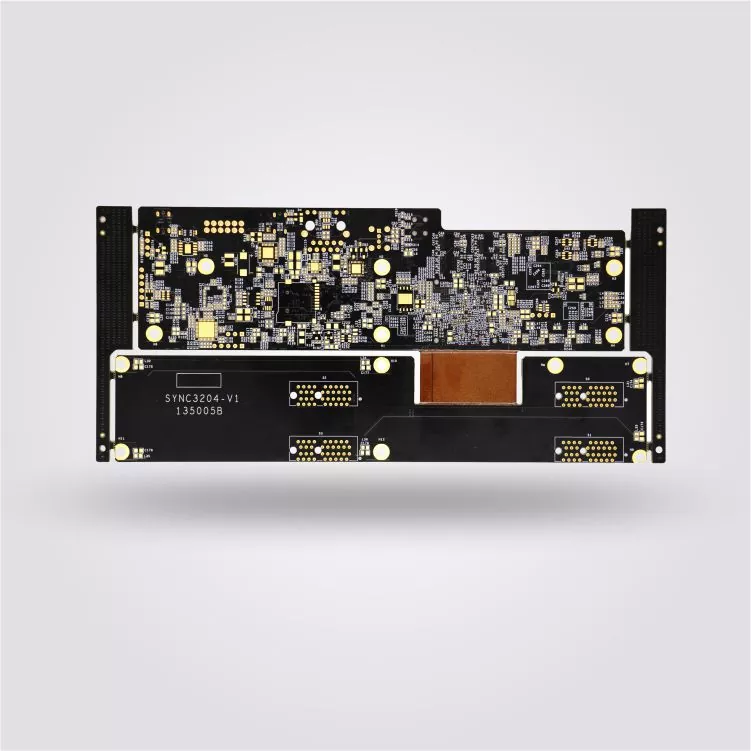
Flexible PCBs and flex-rigid hybrid boards are increasingly being used in medical equipment. Devices such as wearable electrocardiogram monitors and continuous glucose monitors require PCBs to be able to bend with the device without damaging the circuits. This type of design faces three major challenges: bending stress, thermal management, and cost control. To ensure reliability, it is necessary to address these issues through the selection of flexible materials, stress simulation, and thermal management optimization.
3. Deep Integration of AI and Automation
Artificial Intelligence is transforming the PCB design and manufacturing processes. AI-assisted routing tools can reduce the layout time for complex circuit boards by 40%, while using machine learning algorithms to predict potential manufacturing defects. AI visual inspection systems have been applied to the quality control of PCB production lines, enabling the automated identification of defects throughout the entire process of electronic materials.
In March 2026, at the Vision China exhibition, Zebra Technology Corporation launched a PCB defect detection solution equipped with the CV60 machine vision camera and the AIL11 software development kit, specifically designed for AI-driven defect recognition in PCB production scenarios.
4. Intelligent Manufacturing and Digital Transformation
Based on the exhibitor dynamics of CES 2026, "accelerated technology implementation" and "return of manufacturing quality" have become prominent features. Electronic manufacturing enterprises have placed greater emphasis on supply chain resilience, regulatory compliance, and full lifecycle reliability. Over 62% of hardware startups have listed "rapid prototyping and iterative capabilities" as the top factor when choosing manufacturing partners.
We use cookies to offer you a better browsing experience, analyze site traffic and personalize content. By using this site, you agree to our use of cookies.Privacy Policy