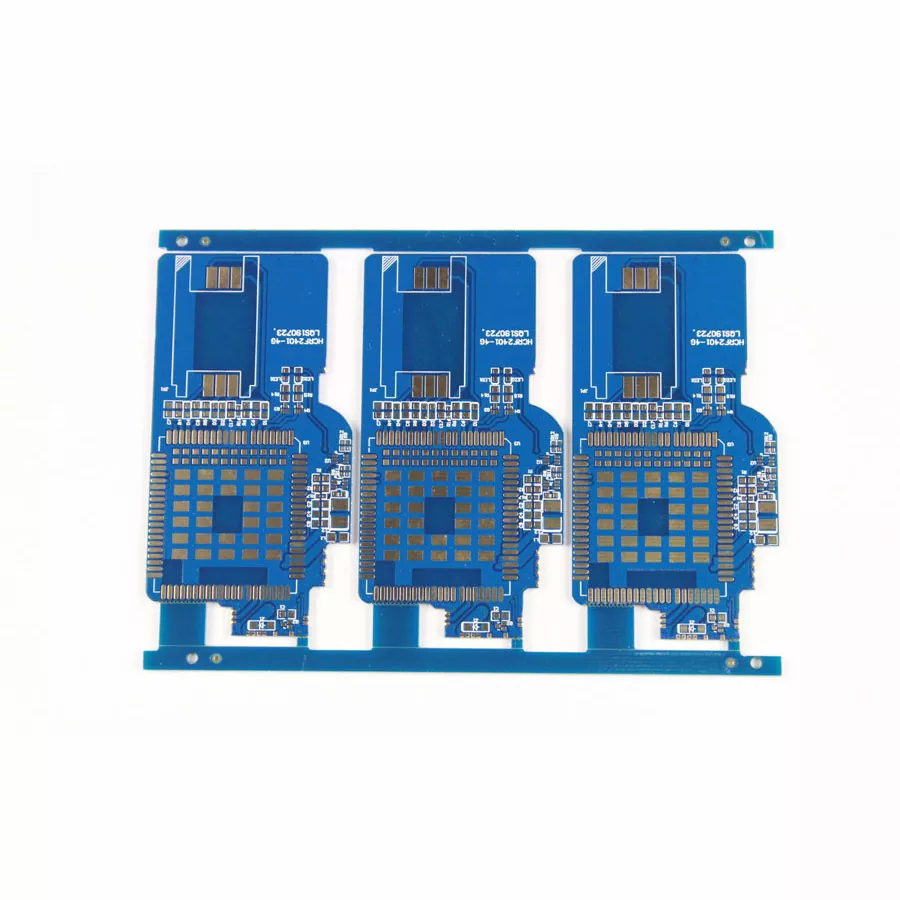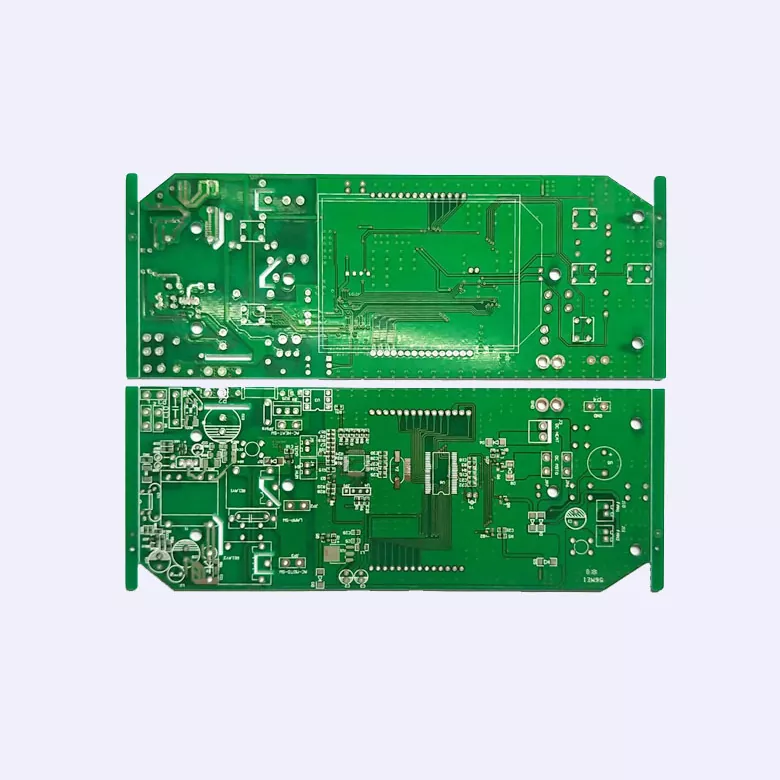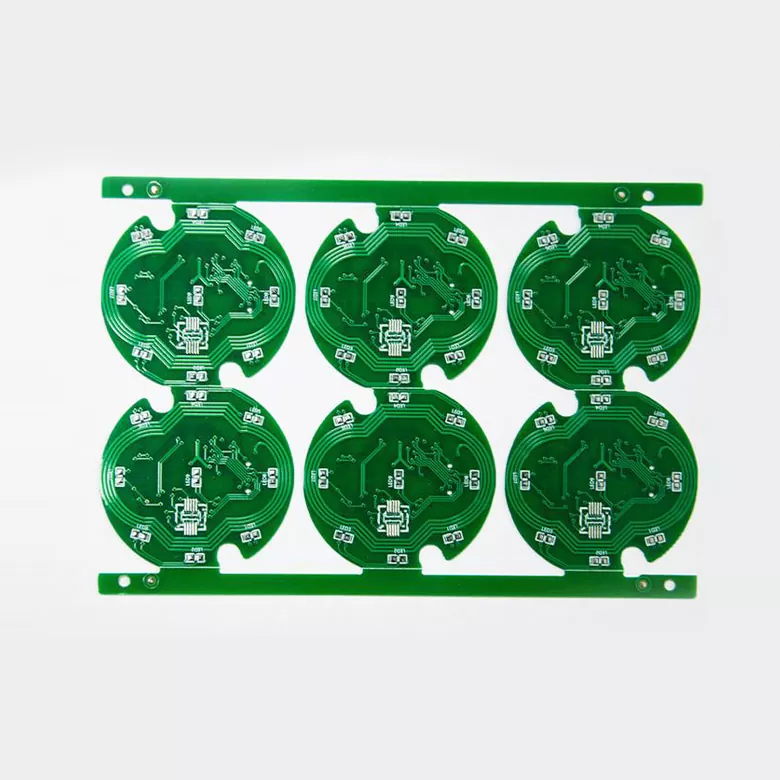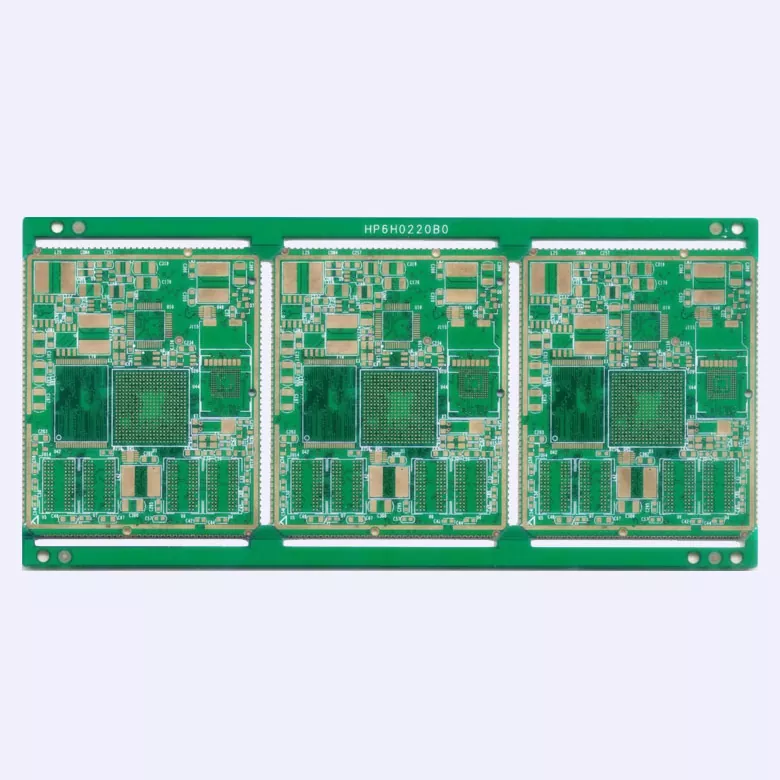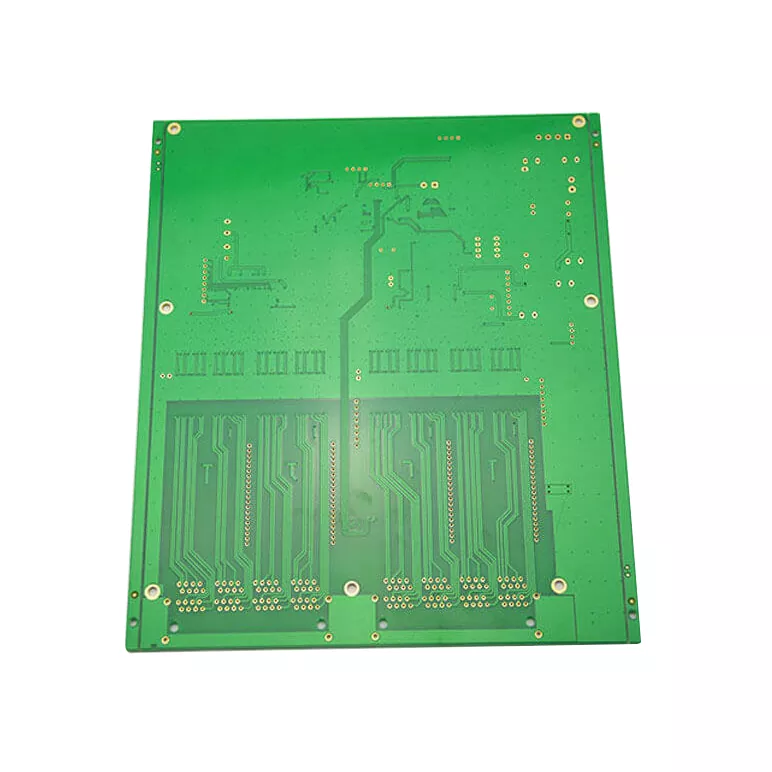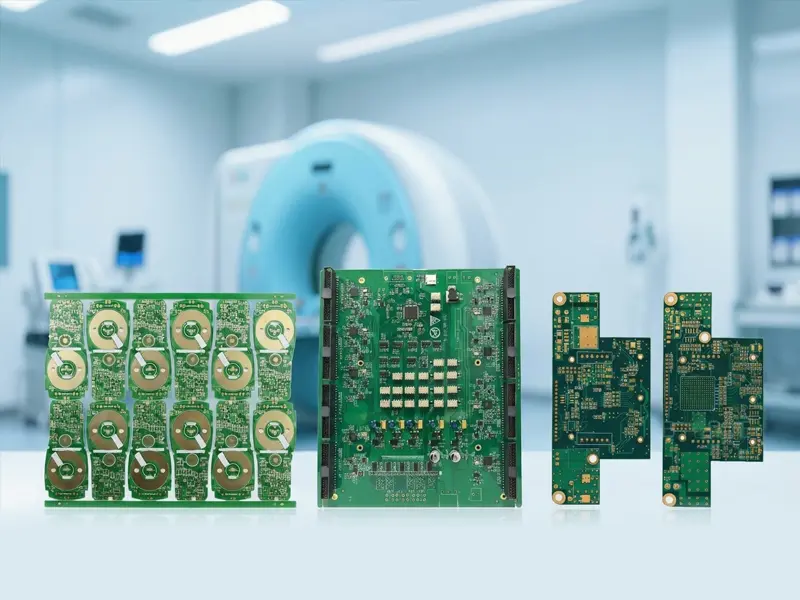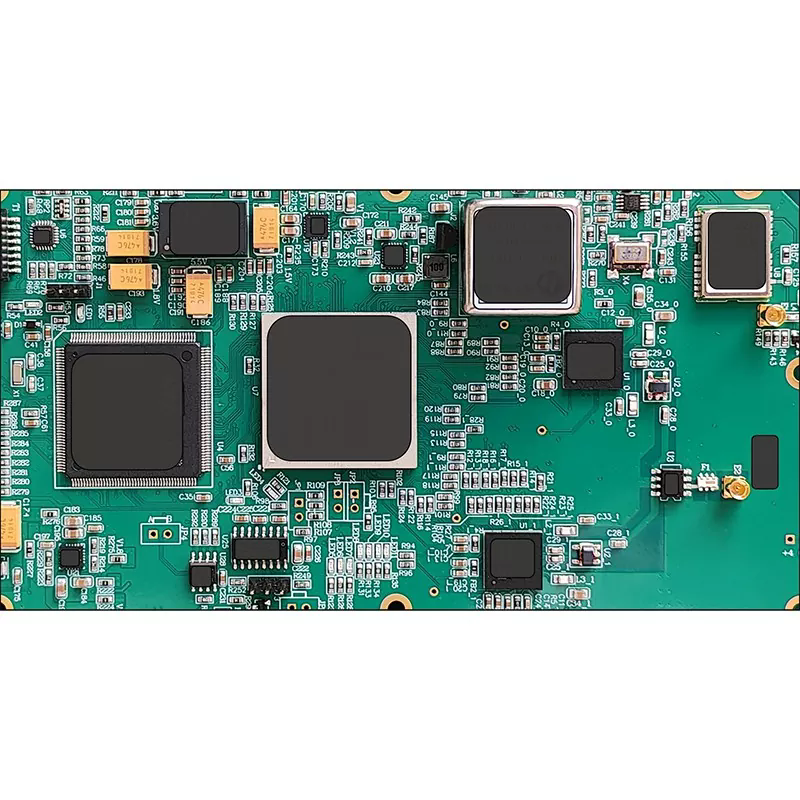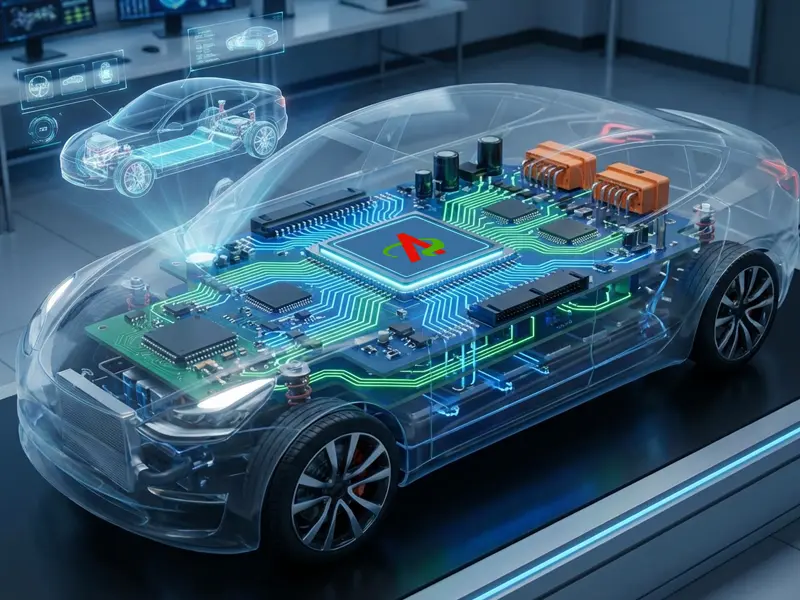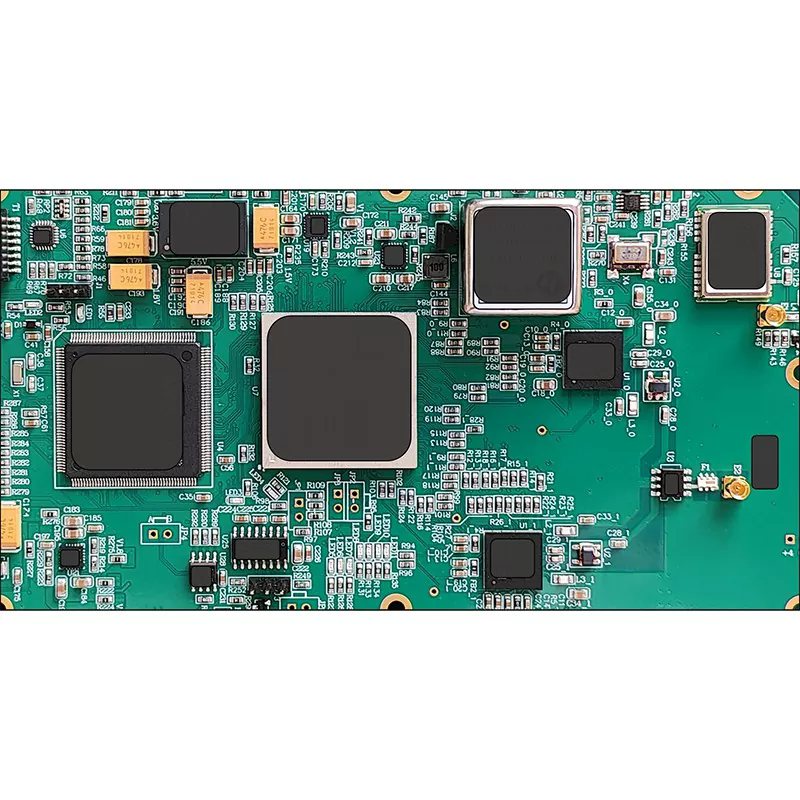

Industrial Control Instruments PCB is a critical hardware foundation for modern automation, measurement, monitoring, and process-control equipment. Aisen develops customized PCB solutions for industrial applications where stable signal processing, dependable power management, thermal performance, and long service life are essential. Its manufacturing capabilities cover boards from simple double-sided structures to complex multilayer designs with up to 32 layers, supporting diverse industrial control requirements.
Industrial control equipment operates in environments that can involve electrical noise, continuous workloads, vibration, temperature variation, and demanding power conditions. The PCB must therefore do more than connect electronic components. It needs to provide reliable signal transmission, effective power distribution, suitable thermal performance, and consistent manufacturing quality. This guide explains the key design considerations, technical specifications, surface finishes, applications, and manufacturing factors that engineers and purchasing teams should evaluate when selecting a PCB for industrial control instruments.
Table of Contents
- Why Is Industrial Control Instruments PCB Important?
- What Design Factors Matter Most?
- Key Technical Specifications
- Which PCB Technologies Support Industrial Control?
- How Should Surface Finish Be Selected?
- Where Are These PCBs Used?
- How Is PCB Manufacturing Quality Controlled?
- How Can Buyers Select the Right PCB Supplier?
- Frequently Asked Questions
Why Is Industrial Control Instruments PCB Important?
Industrial automation systems depend on accurate communication between sensors, controllers, actuators, motors, monitoring modules, and communication interfaces. The PCB provides the electrical infrastructure that connects these functions and allows the complete system to operate as intended.
Unlike many consumer electronics applications, industrial equipment may be required to operate continuously for extended periods. A PCB used inside a controller or monitoring instrument must therefore be designed around the actual operating environment rather than circuit functionality alone.
Important performance considerations include:
- Signal integrity: Sensitive sensor and communication signals need appropriate routing and grounding strategies.
- Power handling: Power circuits may require suitable copper thickness and thermal management.
- Environmental resistance: Industrial equipment can encounter vibration, dust, humidity, temperature changes, and electromagnetic interference.
- Long-term stability: Material selection, layer bonding, surface finish, and manufacturing consistency all affect service reliability.
- Manufacturability: The design should support repeatable production, inspection, testing, and future supply.
Recent industrial PCB engineering guidance similarly emphasizes that temperature, vibration, electrical noise, thermal management, and application-specific reliability requirements should be considered together rather than relying on a single specification to define an industrial board.
What Design Factors Matter Most?
Signal and Power Separation
Industrial control systems often combine low-level sensor signals with higher-power switching circuits. Motors, relays, and power devices can generate electrical noise that affects sensitive measurement or communication signals.
A suitable PCB architecture can separate signal and power routing, establish appropriate grounding structures, and position critical components according to their electrical functions. These measures help engineers manage interference and maintain stable signal transmission.
Thermal Management
Power components generate heat during operation, particularly in motor-control, power-conversion, and energy-management applications. Copper thickness, trace width, component placement, thermal vias, and board structure should therefore be considered together.
For higher-current applications, heavy-copper construction can provide greater current-carrying capability and support heat dissipation. However, copper weight should be selected according to the actual current, thermal rise, mechanical structure, and manufacturing requirements.
Mechanical and Environmental Reliability
Industrial equipment can be exposed to vibration, temperature cycling, dust, moisture, and electromagnetic interference. Material selection and layer bonding must therefore be appropriate for the intended installation environment.
For demanding applications, the PCB specification should be developed from the actual operating conditions rather than simply choosing the thickest copper, highest layer count, or broadest temperature rating available. Current industrial design guidance also recommends defining environmental requirements before finalizing materials, connectors, coatings, and board construction.
Key Technical Specifications
Different industrial controllers require different PCB structures. The following specifications illustrate the range of manufacturing capabilities available for customized industrial applications:
| Parameter | Available Specification | Typical Engineering Consideration |
|---|---|---|
| Layer Count | 1–32 Layers | Routing density, functional separation, and circuit complexity |
| Board Thickness | 0.3–5.0 mm | Mechanical strength and enclosure requirements |
| Copper Thickness | 1 oz–6 oz | Current capacity and thermal performance |
| Minimum Line Width/Spacing | 3 mil / 3 mil | Routing density and signal requirements |
| Micro Via Size | Down to 0.1 mm | HDI routing and compact electronics |
| Impedance Control | ±8% | High-speed communication and signal integrity |
| Surface Finish | ENIG, Hard Gold, OSP, Immersion Silver | Solderability, corrosion resistance, and contact durability |
These specifications are not universal requirements for every industrial controller. The appropriate configuration should be determined from the schematic, PCB layout, current requirements, mechanical dimensions, environmental conditions, communication interfaces, and expected production volume.
Which PCB Technologies Support Industrial Control?
Multilayer PCB Technology
Multilayer construction allows engineers to integrate more circuits into a limited physical space while creating dedicated routing areas for power, control, communication, and sensitive signals. Aisen supports PCB manufacturing from single- and double-sided structures through multilayer designs reaching 32 layers.
For complex automation controllers, multilayer construction can simplify routing and improve functional separation while helping designers meet compact enclosure requirements.
Heavy Copper PCB Technology
Heavy copper technology is particularly relevant to motor drivers, power management systems, switching circuits, and other applications with substantial current flow.
Boards with copper thicknesses up to 6 oz can be manufactured for applications where higher current capacity and improved heat dissipation are required. The final copper structure should nevertheless be verified against current density and thermal requirements.
HDI PCB Technology
Industrial electronics are becoming more compact while integrating processing, communication, sensing, and control functions into increasingly smaller enclosures. HDI technology uses microvias and high-density interconnection structures to provide greater routing flexibility.
This makes HDI useful when an industrial controller requires high functionality within a restricted board area.
How Should Surface Finish Be Selected?
Surface finish affects solderability, oxidation resistance, contact durability, storage stability, and the long-term performance of PCB connections. The correct option depends on the application and assembly process.
- ENIG: Provides a flat surface and good oxidation resistance, making it suitable for many industrial assemblies.
- Hard Gold: Useful for edge connectors and contact areas subject to repeated mating and mechanical wear.
- OSP: Provides a cost-conscious surface treatment for applications where suitable solderability is required.
- Immersion Silver: Can provide a smooth surface and suitable solderability for selected industrial PCB applications.
Surface finish should be selected alongside component assembly, storage conditions, connector requirements, and expected service conditions rather than treated as an isolated purchasing parameter.
Where Are These PCBs Used?
Factory Automation Equipment
Automated production lines rely on controllers that coordinate sensors, actuators, motors, communication modules, and monitoring systems. A dependable PCB helps maintain communication between these functional units.
Motor Control and Power Management
Motor drives, power converters, and energy-management equipment can place greater demands on PCB current capacity and thermal performance. Heavy-copper structures and carefully designed power-routing areas can support these requirements.
Industrial Monitoring Systems
Temperature controllers, pressure-monitoring equipment, data-acquisition systems, and other monitoring devices depend on stable signal processing. PCB layout and grounding become particularly important when low-level measurement signals coexist with switching circuits.
Safety and Process Control Equipment
Process-control and safety-related equipment requires dependable signal and power paths. PCB design should be matched to the required system architecture, environmental conditions, testing procedures, and applicable product standards.
How Is PCB Manufacturing Quality Controlled?
PCB quality is determined by more than visual appearance. Industrial customers need repeatable electrical and mechanical performance across production batches.
Aisen's manufacturing quality process includes material inspection, process monitoring, automated optical inspection, electrical testing, and final verification before shipment. This approach creates multiple checkpoints between incoming materials and finished boards.
For industrial applications, buyers should also consider whether a supplier can provide appropriate documentation and validation for the project. Useful evaluation points include:
- Incoming material inspection procedures
- PCB fabrication process controls
- Automated optical inspection capability
- Electrical testing arrangements
- Traceability and production consistency
- Prototype, small-batch, and mass-production support
- Engineering support for DFM and material selection
Industry guidance similarly identifies DFM, inspection, testing, traceability, environmental protection, and lifecycle considerations as important parts of industrial PCBA reliability rather than treating fabrication as a standalone step.
How Can Buyers Select the Right PCB Supplier?
Choosing a supplier should begin with the technical requirements of the finished industrial device. A lower board cost does not necessarily represent a lower total cost if inconsistent production creates assembly problems, redesigns, or field maintenance.
Before requesting a quotation, buyers should prepare as much of the following information as possible:
- Gerber files and complete PCB design data
- Required layer count and board dimensions
- Copper thickness and current requirements
- Material and thickness requirements
- Surface finish requirements
- Impedance-control requirements, if applicable
- Operating temperature and environmental conditions
- Annual volume and initial order quantity
- Prototype or sample requirements
- Inspection and testing expectations
Aisen supports prototype, small-batch, and volume production, allowing industrial equipment manufacturers to progress from design validation to repeat manufacturing while addressing manufacturability, material selection, and PCB structure during the engineering process.
Frequently Asked Questions
What is an Industrial Control Instruments PCB?
An Industrial Control Instruments PCB is a printed circuit board designed for industrial measurement, monitoring, automation, control, communication, and power-management equipment. It connects and supports electronic functions such as sensor processing, control logic, communication, and power distribution.
How is an industrial control PCB different from a regular PCB?
The difference is primarily driven by the application requirements. Industrial control boards may need to support continuous operation, stronger interference management, higher current loads, thermal demands, vibration, temperature changes, and long-term reliability.
Can industrial control PCBs handle high-current applications?
Yes. Heavy-copper construction can be used for applications requiring increased current-carrying capability and improved heat dissipation. The required copper thickness should be calculated according to the actual electrical and thermal design.
How many layers does an industrial control PCB need?
There is no universal layer count. A relatively simple controller may use a double-sided structure, while advanced automation equipment may require multilayer or HDI construction. The required layer count depends on circuit complexity, routing density, signal integrity, power distribution, and available space.
Can an industrial control PCB be customized?
Yes. Custom PCB manufacturing can be based on the customer's circuit design, dimensions, material requirements, copper thickness, surface finish, electrical specifications, environmental conditions, and production volume.
Which surface finish is suitable for industrial PCB applications?
ENIG, hard gold, OSP, and immersion silver can all be used in appropriate applications. Selection should consider soldering requirements, connector wear, corrosion resistance, storage conditions, and the intended service environment.
Build a More Reliable Industrial Control Electronics Platform
A well-designed PCB is an important part of the reliability chain in industrial automation equipment. From multilayer routing and signal integrity to heavy-copper power handling, HDI miniaturization, surface finishing, inspection, and electrical testing, every specification should be matched to the actual application.
Whether you are developing a new industrial controller, upgrading an existing monitoring system, or preparing a PCB for volume production, Aisen can support the project from prototype development through small-batch and mass manufacturing. Review the Industrial Control Instruments PCB solution and discuss your board structure, material, electrical, and production requirements with the engineering team. For customized PCB requirements, drawings, samples, or production inquiries, contact us today to discuss a practical solution for your industrial electronics project.