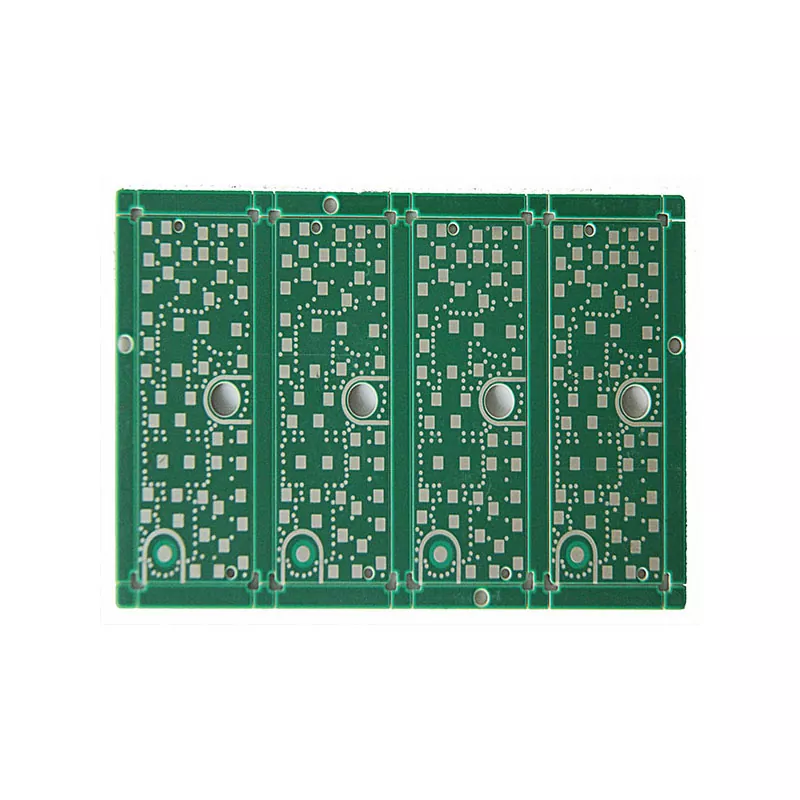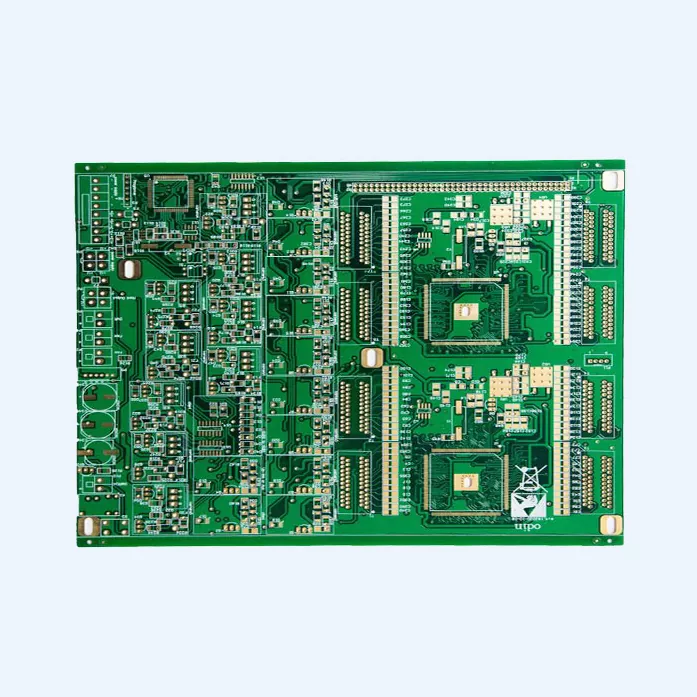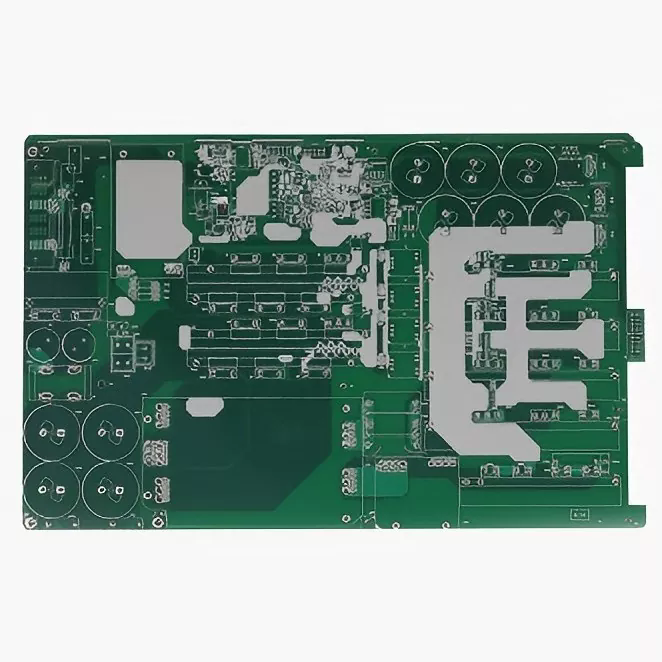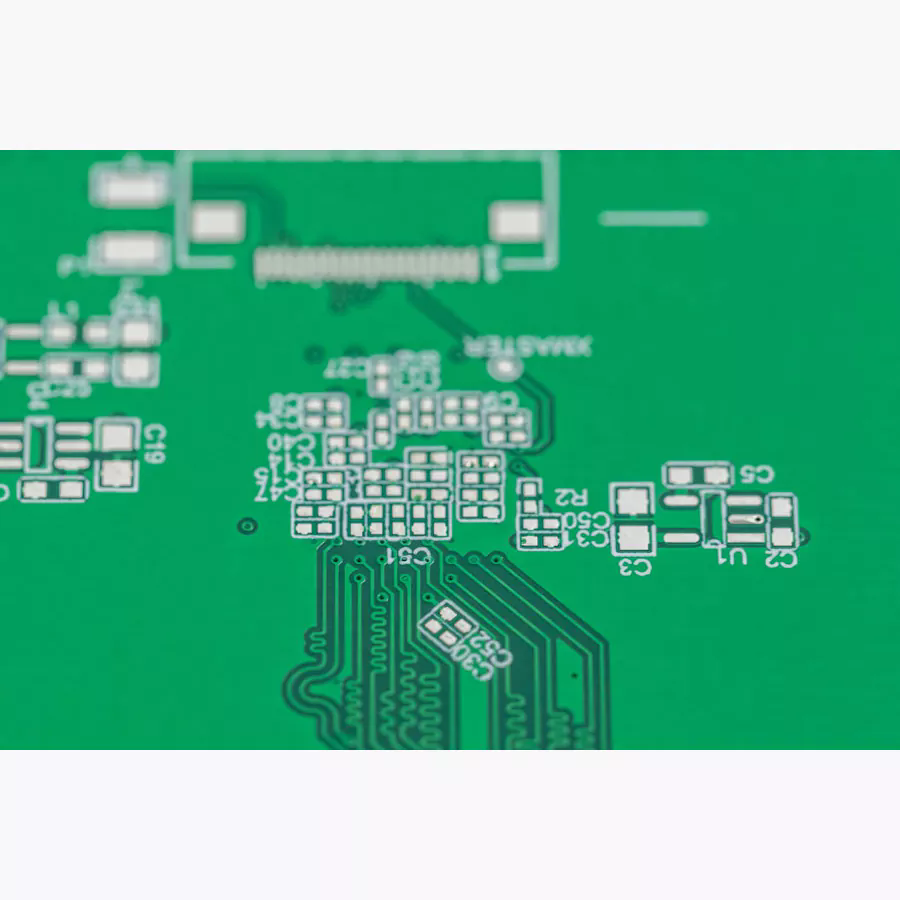

How Can a Converter and Selector PCB Improve Electronic Control, Reliability, and Design Flexibility
For electronics manufacturers seeking dependable circuit integration, Aisen provides solutions for developing a Converter and Selector PCB tailored to specific application requirements. By combining appropriate circuit conversion functions with reliable signal selection, engineers can simplify electronic system architecture, improve control flexibility, and create more efficient designs for industrial and commercial equipment.
A Converter and Selector PCB supports electronic systems that require signal selection, circuit coordination, or the conversion of electrical signals and operating parameters. Its performance depends on component compatibility, circuit topology, PCB layout, thermal management, and manufacturing quality. This guide explains how these circuit boards work, where they are used, which design factors influence reliability, and how to evaluate a suitable PCB solution for a specific project. It also outlines practical selection criteria for engineers, product developers, and purchasing teams.
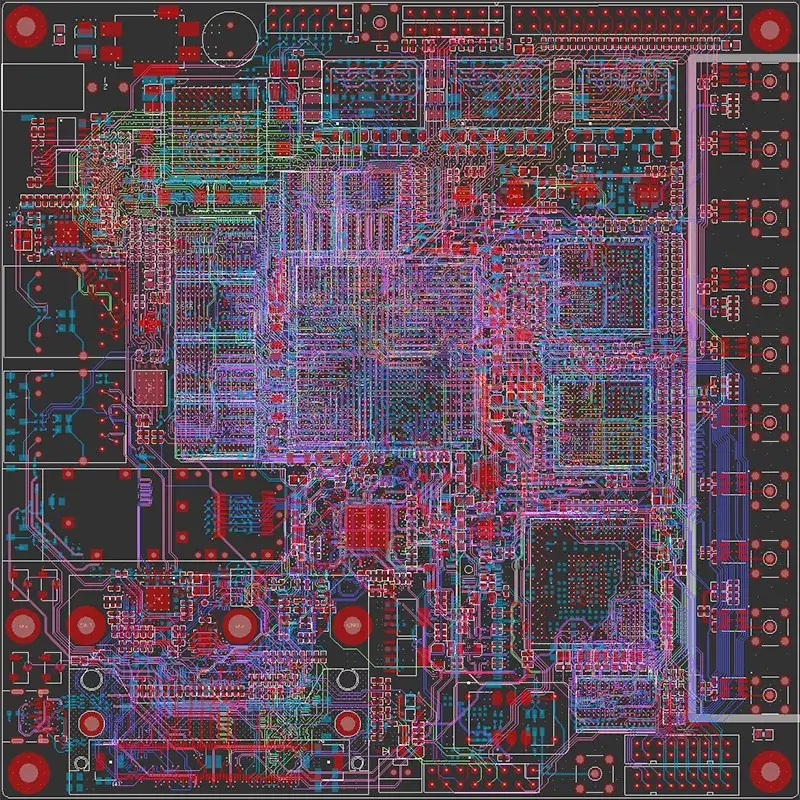
Table of Contents
- 1. What Is a Converter and Selector PCB?
- 2. How Does a Converter and Selector PCB Work?
- 3. Key Components and Design Considerations
- 4. Common Applications Across Industries
- 5. How to Select the Right PCB Solution
- 6. Manufacturing Quality and Reliability
- 7. Comparison of Important Design Factors
- 8. Frequently Asked Questions
- 9. Conclusion and Next Steps
What Is a Converter and Selector PCB?
A Converter and Selector PCB is a printed circuit board designed to support electrical conversion functions, signal routing, or the selection of different operating paths within an electronic system. Depending on its intended configuration, it may incorporate power conversion components, switching devices, control circuits, connectors, and signal-processing elements.
The term can describe different circuit architectures rather than one universally standardized PCB category. A converter circuit may change voltage levels, regulate power, or translate signals between electrical interfaces. A selector circuit determines which signal, channel, input, or operating mode is connected to a designated output or control path.
Integrating these functions on a common board can reduce wiring complexity and create a more organized electronic assembly. However, the exact design depends on whether the application involves power conversion, analog signal selection, digital control, or a combination of these functions.
For example, an industrial controller may need to accept multiple sensor inputs while supplying regulated power to its control electronics. A carefully designed board can accommodate these functions while maintaining appropriate electrical separation and signal integrity.
The most important starting point is therefore to define the required conversion and selection functions before determining the board's layout, components, and manufacturing specifications.
How Does a Converter and Selector PCB Work?
The operating principle depends on the circuit design, but most implementations can be understood through three functional stages.
1. Input and Signal Reception
The board receives electrical power, analog signals, digital signals, or control commands through designated input terminals and connectors. Input protection may be required to manage electrostatic discharge, transient voltage, reverse polarity, or other electrical disturbances.
Input requirements should be documented clearly, including voltage range, signal type, current demand, connector arrangement, and expected operating conditions.
2. Conversion and Regulation
Where conversion is required, the circuit changes an electrical parameter to meet the needs of downstream components. Examples include DC-DC voltage conversion, AC-DC power conversion, and signal-level translation.
Engineers must consider conversion efficiency, voltage regulation, ripple, switching noise, component tolerances, and heat generation. These factors affect both performance and long-term reliability.
3. Selection and Output Distribution
The selector section directs the appropriate input or operating path to the intended destination. Depending on the application, this function may be implemented using analog switches, multiplexers, relays, or semiconductor switching devices.
The selection mechanism must meet the application's requirements for switching speed, current capacity, isolation, leakage current, and control logic. The final output should remain within the electrical limits of the receiving device.
For additional background on board design, engineers can consult established resources such as the IPC electronics industry standards organization and relevant semiconductor manufacturers' technical documentation.
Key Components and Design Considerations
Component selection determines how effectively a PCB performs its intended functions. The required bill of materials will vary with circuit complexity, operating voltage, switching frequency, and environmental conditions.
- Conversion components: Regulators, transformers, inductors, diodes, MOSFETs, and capacitors may be used in power conversion circuits.
- Selection components: Multiplexers, analog switches, relays, and switching transistors can route signals or select operating modes.
- Control devices: Microcontrollers, logic ICs, and interface circuits may manage selection sequences and operating conditions.
- Protection components: Fuses, transient-voltage suppressors, filtering networks, and reverse-polarity protection devices help address application-specific electrical risks.
- Connectors and terminals: These establish reliable electrical and mechanical connections with external equipment.
PCB layout is equally important. High-current traces need appropriate copper width and thermal design, while sensitive analog signals may require separation from noisy switching nodes. Grounding, return-current paths, component placement, and decoupling should be planned together rather than treated as isolated tasks.
Designers should also consider serviceability. Test points, clear connector labeling, accessible mounting locations, and practical component spacing can simplify production testing, troubleshooting, and maintenance.
Common Applications Across Industries
Converter and selector circuit designs can support a wide range of electronic equipment. Their suitability depends on the actual electrical requirements rather than the product name alone.
Industrial Automation
Automation equipment frequently combines sensors, actuators, controllers, and different power rails. Conversion circuits can provide suitable operating voltages, while selection circuits can route signals from multiple sensors or choose between operating modes.
Power Management Equipment
Power distribution and control systems may use conversion stages to regulate supply voltages and switching circuits to select between available sources or operating paths. Designs involving mains voltage or high energy levels require appropriate insulation, protection, and compliance engineering.
Communication and Instrumentation
Communication devices and measurement instruments may need to switch between channels, manage different signal levels, or interface with several input sources. Low leakage, low noise, and predictable switching behavior can be especially important in precision applications.
Consumer and Embedded Electronics
Embedded controllers, smart devices, and compact electronic products may benefit from integrating conversion and selection functions on a single PCB. Effective integration can reduce interconnection complexity and help product developers manage limited enclosure space.
In each case, the board should be validated against real operating conditions. An architecture suitable for a low-voltage sensor controller may not be appropriate for a high-power industrial system.
How to Select the Right PCB Solution
Choosing a suitable board requires coordination between electrical engineering, mechanical design, manufacturing, and procurement. A detailed specification helps prevent avoidable redesigns and production delays.
- Define the electrical requirements. Document input and output voltages, current, signal types, conversion ratios, switching behavior, and acceptable tolerances.
- Establish the operating environment. Identify ambient temperature, humidity, vibration, dust exposure, and any enclosure or ingress-protection requirements.
- Determine the circuit architecture. Decide whether the application requires power conversion, signal selection, channel switching, or multiple integrated functions.
- Choose PCB materials and construction. Consider board thickness, copper weight, layer count, dielectric properties, and mechanical constraints according to the design.
- Review component availability. Check lifecycle status, approved alternatives, sourcing risks, and lead times for critical components.
- Plan verification and testing. Define inspection points and functional tests before the board enters volume production.
- Evaluate supplier capabilities. Review design communication, fabrication tolerances, assembly capabilities, traceability, and support for engineering changes.
For projects with special requirements, engineers should provide schematics, PCB design files, a bill of materials, dimensional drawings, and acceptance criteria wherever available. A qualified supplier can then assess manufacturability and clarify unresolved technical questions before production begins.
Manufacturing Quality and Reliability
A technically sound circuit can still fail if manufacturing defects, unsuitable materials, or inadequate testing undermine its performance. Quality assurance should cover both bare-board fabrication and electronic assembly where applicable.
Important quality considerations include:
- Fabrication accuracy: Verify trace geometry, hole sizes, copper features, layer registration, and board dimensions against the approved design.
- Soldering integrity: Inspect solder joints, component polarity, placement accuracy, and potential bridging or insufficient solder.
- Electrical verification: Use continuity and isolation checks where appropriate, followed by functional tests for the assembled circuit.
- Thermal performance: Confirm that power components and switching devices remain within their specified temperature limits under representative loads.
- Environmental suitability: Assess whether coating, sealing, material selection, or additional mechanical protection is necessary for the intended application.
- Documentation and traceability: Maintain revision control, approved component lists, inspection records, and test results.
Testing should reflect the board's actual purpose. A low-power signal-selection PCB may require channel-isolation and signal-integrity checks, whereas a power converter may need load regulation, efficiency, ripple, and temperature measurements.
For safety-critical or regulated equipment, applicable industry standards and product-specific certification requirements must be identified early. Compliance should be verified for the actual design and end-use environment rather than assumed from general PCB manufacturing capability.
Comparison of Important Design Factors
The following table summarizes the main engineering considerations when specifying a Converter and Selector PCB. The appropriate targets must be established from the intended application and component datasheets.
| Design Factor | What to Evaluate | Why It Matters |
|---|---|---|
| Voltage and current | Input range, output range, load current, transient conditions | Prevents electrical overstress and supports stable operation |
| Conversion performance | Efficiency, regulation, ripple, switching noise | Determines power quality and energy losses |
| Selection performance | Switching time, channel count, leakage, isolation | Supports accurate and predictable signal routing |
| PCB construction | Layer count, copper thickness, dielectric material, dimensions | Influences electrical performance, thermal behavior, and manufacturability |
| Thermal management | Component temperature, copper area, airflow, enclosure conditions | Helps prevent overheating and premature component degradation |
| Quality assurance | Inspection, electrical testing, functional verification, traceability | Reduces production defects and improves consistency |
| Supply-chain planning | Component availability, lead time, approved substitutes | Supports production continuity and lifecycle management |
These factors should be reviewed as a complete system. For example, increasing switching frequency may reduce the size of certain magnetic components, but it can also increase electromagnetic interference and impose additional layout requirements.
Frequently Asked Questions
1. What is the primary function of a Converter and Selector PCB?
Its purpose is to support electrical conversion and selection functions within an electronic system. Depending on the design, it may regulate voltage, translate signals, route inputs, or select operating modes. The precise functionality depends on the circuit architecture and specified application.
2. Can a converter and selector circuit be integrated onto one PCB?
Yes. Integration is possible when the electrical, thermal, isolation, and mechanical requirements can be satisfied on the same board. Engineers must consider power dissipation, switching noise, signal integrity, and component spacing before finalizing the layout.
3. Which specifications should buyers provide when requesting a PCB quotation?
Buyers should provide the intended application, electrical ratings, circuit diagrams or design files, PCB dimensions, layer count, copper requirements, component list, quantity, operating environment, and testing expectations. Clear specifications help suppliers assess feasibility and provide more accurate quotations.
4. How can the reliability of a converter and selector circuit be improved?
Reliability can be improved through appropriate component derating, thermal analysis, effective grounding, noise control, electrical protection, design-rule checks, and application-specific testing. Manufacturing inspection and documented functional verification are also important.
5. Is a standard PCB design suitable for every application?
No. Different applications have different voltage levels, current demands, signal characteristics, environmental conditions, and compliance obligations. A design should be evaluated against its actual operating requirements before it is adopted for production.
Conclusion: Building a PCB Solution Around Your Application
A well-engineered Converter and Selector PCB can help simplify circuit integration, support dependable electrical conversion, and provide flexible signal routing for industrial, instrumentation, power management, and embedded electronic systems. Achieving these benefits requires clear requirements, thoughtful component selection, disciplined PCB layout, and appropriate manufacturing verification.
For engineering teams and purchasing professionals, the most effective approach is to evaluate the complete application before choosing a board configuration. By aligning electrical performance, manufacturability, testing, and long-term component availability, businesses can reduce design risks and establish a more dependable foundation for electronic product development.
If you are planning a new PCB project or looking for a suitable solution for an existing electronic system, contact us to discuss your technical requirements, application scenarios, and customization needs. Aisen can help you explore the next steps toward a PCB solution aligned with your project's design and production objectives.
Related News
- How Can a Flow Rate And Dispensing Systems PCB Improve Fluid Measurement Accuracy and Equipment Reliability
- How Can an Electrical Muscle Stimulation Equipment PCB Improve Device Precision, Safety, and Reliability
- Is a Semiconductor Testing PCB the Weak Link in Your Test Setup
- How Can Industrial Control Instruments PCB Improve Reliability, Signal Accuracy, and Long-Term Automation Performance
- Why Is an Electrical Measuring Instruments PCB Critical for Accurate and Reliable Measurement
- How Can a Communication Routers PCB Board Improve High-Speed Network Performance and Reliability
Leave me a message