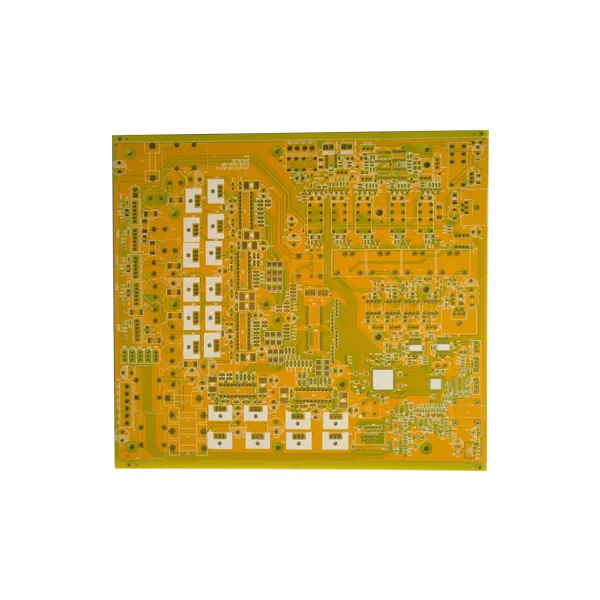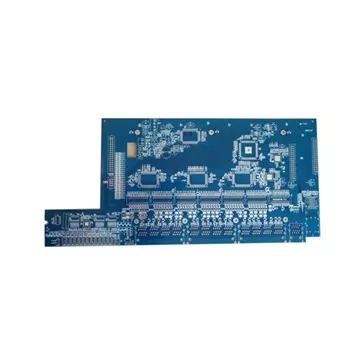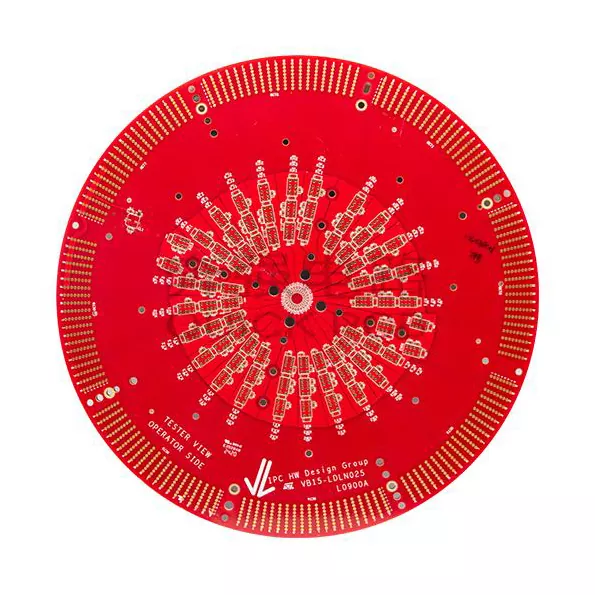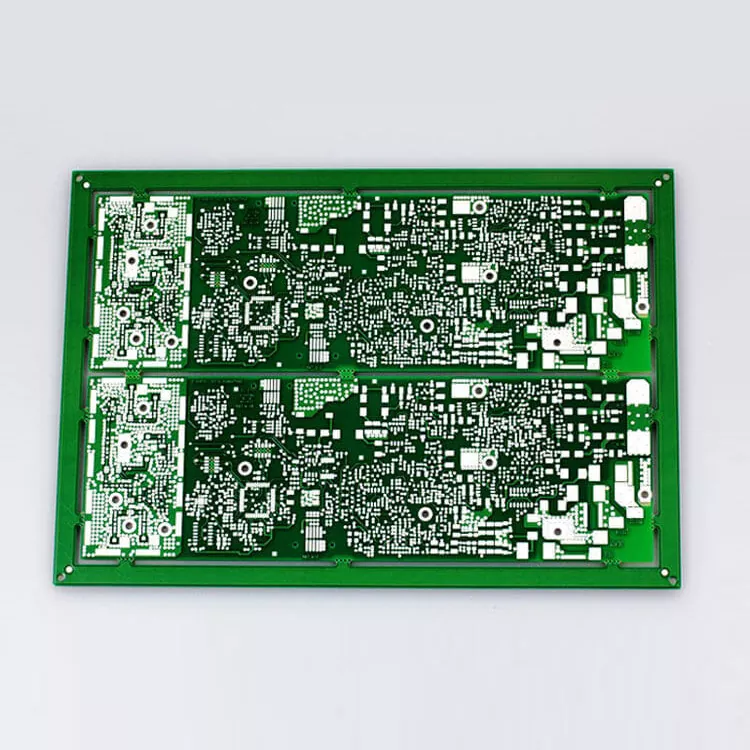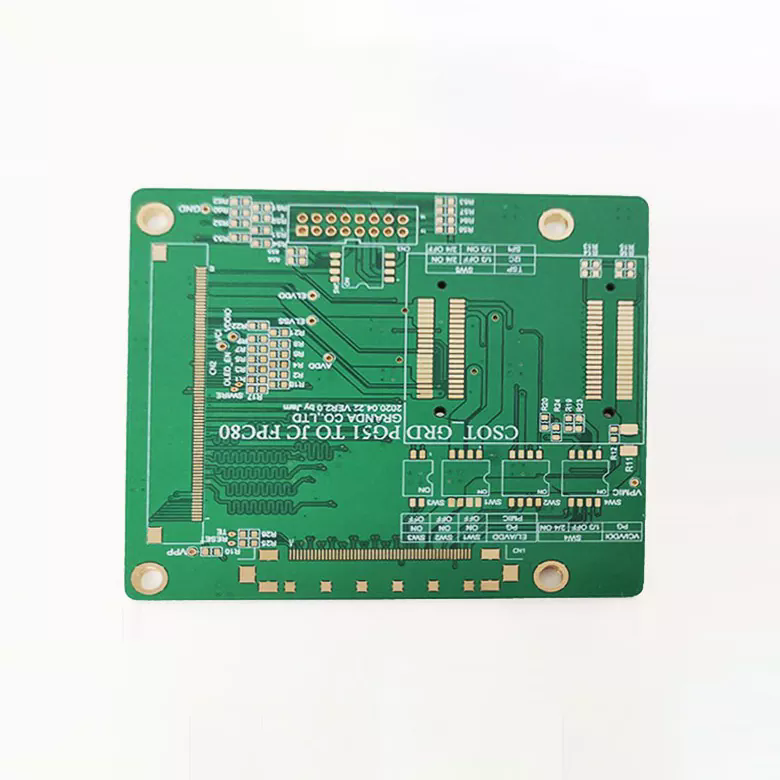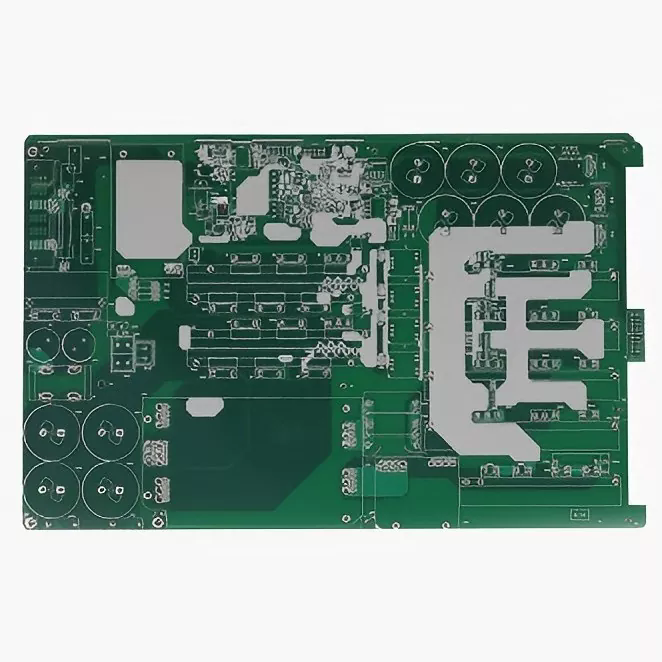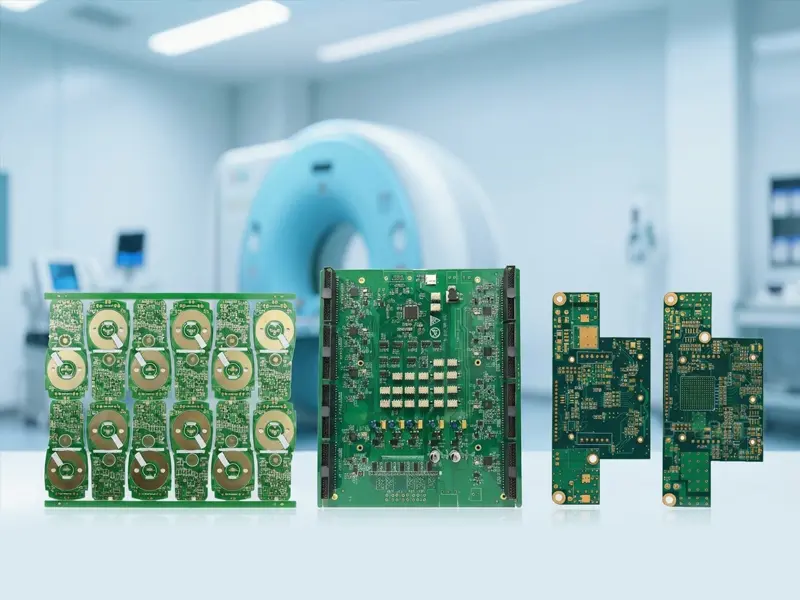

Article Summary: A Servo Motor PCB is a critical electronic platform inside modern servo drive and motion control equipment. It must simultaneously manage power distribution, feedback signals, communication, switching circuits, thermal loads, and electromagnetic interference. When the PCB is poorly designed or manufactured, problems such as unstable motor operation, positioning errors, excessive heat, communication faults, and unexpected equipment downtime can occur. This article explains how a Servo Motor PCB works, which design factors determine reliability, how materials and layer structures should be selected, what manufacturing processes matter most, and how manufacturers can reduce technical and production risks. It also explains how Shenzhen Aisen Electronics Co.,Ltd. supports customized Servo Motor PCB and PCBA requirements for industrial automation, robotics, CNC equipment, semiconductor machinery, and other precision motion applications.
Table of Contents
- What Is a Servo Motor PCB?
- Why Is the PCB So Important in a Servo Motor System?
- What Functions Does a Servo Motor PCB Perform?
- Which Design Factors Determine Servo Motor PCB Reliability?
- How Should PCB Materials Be Selected?
- How Can a Servo Motor PCB Manage Heat?
- How Can Signal Integrity and EMC Be Improved?
- How Is a Reliable Servo Motor PCB Manufactured?
- What Testing Should a Servo Motor PCB Undergo?
- Where Are Servo Motor PCBs Used?
- How Can Buyers Select the Right Servo Motor PCB Manufacturer?
- Why Choose Shenzhen Aisen Electronics Co.,Ltd.?
- Frequently Asked Questions
- Conclusion
1. What Is a Servo Motor PCB?
A Servo Motor PCB is a specialized printed circuit board developed for servo drives, servo controllers, motor control units, and precision motion systems. Unlike a general-purpose control PCB, it often has to handle the simultaneous requirements of high-current power transmission, fast switching, sensitive feedback signals, communication interfaces, thermal management, and electromagnetic compatibility.
In a typical servo system, the motor is only one part of the complete motion-control architecture. The controller determines the desired movement, the servo drive processes control information and supplies electrical power to the motor, while an encoder or other feedback device continuously reports motor position, speed, or operating status. The PCB provides the electrical infrastructure that allows these different functions to work together.
This makes PCB performance directly relevant to motion accuracy and system stability. A circuit board with inadequate current capacity may overheat. Poorly routed encoder signals can become susceptible to interference. Insufficient isolation between power and control circuits may create electrical noise. Weak solder joints or unsuitable materials can reduce reliability during continuous industrial operation.
For this reason, Servo Motor PCB manufacturing requires more than simply reproducing a circuit pattern. The board must be engineered around the electrical, mechanical, thermal, and environmental conditions of the final equipment.
2. Why Is the PCB So Important in a Servo Motor System?
Servo systems are designed for controlled and repeatable movement. Applications such as robotic positioning, CNC machining, automated assembly, semiconductor manufacturing, and precision material handling may require rapid acceleration, deceleration, frequent direction changes, and continuous feedback.
During these operations, the PCB can experience substantial electrical and thermal stress. The board must maintain stable connections even when current changes rapidly and switching components generate heat and electromagnetic noise.
A well-designed Servo Motor PCB helps address several common customer pain points:
- Unexpected motor instability: Proper power distribution and signal routing help maintain consistent electrical behavior.
- Positioning errors: Controlled routing and appropriate grounding can protect encoder and feedback signals from interference.
- Thermal problems: Heavy copper, thermal vias, copper planes, and appropriate materials can improve heat transfer.
- Communication interruptions: Proper impedance and signal separation support reliable industrial communication interfaces.
- Production inconsistency: Controlled manufacturing and inspection processes reduce variations between batches.
- Long development cycles: Early engineering review can identify manufacturability problems before production begins.
The PCB therefore acts as a critical link between electrical power, control logic, feedback devices, and external communication systems.
3. What Functions Does a Servo Motor PCB Perform?
The exact architecture varies according to motor type, drive topology, voltage, current, communication protocol, and equipment requirements. However, a Servo Motor PCB commonly performs several interconnected functions.
| PCB Function | Primary Purpose | Reliability Concern |
|---|---|---|
| Power Distribution | Transfers electrical power to drive circuits and motor-related components | Current density and temperature rise |
| Motor Control | Supports switching and control circuitry | Switching noise and electrical stress |
| Feedback Processing | Processes encoder and sensor information | EMI and signal integrity |
| Communication | Connects drives with controllers and industrial networks | Noise, impedance, and grounding |
| Thermal Management | Transfers heat away from high-power components | Hot spots and material degradation |
Because these functions are interconnected, PCB layout decisions made in one area can affect the performance of another. A power trace, for example, should not be considered independently from nearby low-level feedback circuitry.
4. Which Design Factors Determine Servo Motor PCB Reliability?
Reliable Servo Motor PCB design begins with understanding the actual operating conditions rather than selecting a standard board specification. Several engineering parameters deserve particular attention.
Current carrying capacity is one of the first considerations. Trace width, copper thickness, plane structure, via configuration, and connector selection should correspond to expected operating current and transient conditions.
Layer stack-up is equally important for complex boards. Multilayer construction can provide dedicated power and ground planes, improve routing density, shorten return paths, and create better separation between sensitive and high-power circuits.
Feedback routing deserves special treatment because encoder signals can be significantly more sensitive to interference than power circuits. Shorter signal paths, appropriate reference planes, controlled routing, and effective grounding strategies can help maintain signal quality.
Mechanical constraints should also be considered. Servo drives may have strict enclosure dimensions, connector locations, mounting-hole requirements, and component-height limitations. A PCB that is electrically correct but mechanically incompatible can still cause costly redesigns.
For demanding applications, engineers should evaluate:
- Operating voltage and current
- Peak and continuous load conditions
- Switching frequency
- Ambient and component temperatures
- Motor feedback architecture
- Communication protocols
- Board dimensions and mounting requirements
- Expected service life
- Production quantity
- Required inspection and testing
5. How Should PCB Materials Be Selected?
Material selection should be based on the actual operating environment and electrical requirements rather than simply choosing the lowest-cost substrate.
| Material or Structure | Typical Advantage | Potential Application |
|---|---|---|
| Standard FR-4 | Balanced electrical and mechanical performance | General industrial servo control |
| High-TG FR-4 | Improved thermal resistance | Higher-temperature equipment |
| Heavy Copper PCB | Higher current-carrying capability | Power-intensive motor drives |
| Aluminum-Based PCB | Enhanced heat dissipation | Thermally demanding designs |
| High-Frequency Material | Controlled high-speed electrical characteristics | High-speed communication sections |
Material selection should also account for dielectric characteristics, thermal performance, mechanical stability, board thickness, copper requirements, and the intended manufacturing process.
6. How Can a Servo Motor PCB Manage Heat?
Thermal management is a major consideration in servo electronics because switching devices, power semiconductors, resistive elements, and other components can generate substantial heat during continuous operation.
Excessive temperature can accelerate material aging, increase component stress, change electrical characteristics, and reduce long-term reliability. Thermal design therefore needs to begin at the PCB layout stage.
Common approaches include:
- Increasing copper thickness: Heavier copper can support higher current and distribute heat more effectively.
- Using thermal vias: Vias can transfer heat between PCB layers and toward a suitable thermal path.
- Creating large copper areas: Proper copper planes can help spread heat and reduce localized hot spots.
- Optimizing component placement: High-power components should be positioned with thermal behavior and airflow in mind.
- Selecting appropriate materials: High-TG or specialized substrates may be appropriate for elevated-temperature applications.
- Balancing copper distribution: Proper copper balance can help improve manufacturing consistency and board stability.
Thermal performance should be evaluated together with the enclosure, cooling method, airflow, component selection, and expected duty cycle. A PCB cannot compensate for an inadequate system-level cooling strategy by itself.
7. How Can Signal Integrity and EMC Be Improved?
Servo systems contain two fundamentally different electrical environments: high-energy switching and power circuits, and low-level control and feedback circuits. Keeping these domains appropriately organized is essential.
Encoder feedback, sensor signals, CAN, RS485, industrial Ethernet, and other communication interfaces can be affected by switching noise and unfavorable return-current paths.
Several PCB practices can help reduce these risks:
- Separate sensitive signal routing from high-current switching paths.
- Provide appropriate reference planes for critical signals.
- Keep high-frequency current loops compact.
- Use suitable grounding and return-path strategies.
- Control impedance where the interface requires it.
- Minimize unnecessary vias and discontinuities in high-speed paths.
- Position filtering and protection components close to the relevant interfaces.
- Review connector placement to reduce unnecessary coupling.
These techniques do not eliminate every EMC problem because final electromagnetic behavior also depends on cabling, connectors, enclosure design, grounding, motor characteristics, and system installation. Nevertheless, a carefully engineered PCB provides a strong foundation for reliable system-level performance.
8. How Is a Reliable Servo Motor PCB Manufactured?
Manufacturing quality can be just as important as the original circuit design. A technically excellent layout can still fail if drilling, layer registration, copper plating, soldering, or inspection is poorly controlled.
A controlled production process generally includes the following stages:
- Engineering review: Gerber files, specifications, stack-up, BOM, drawings, and special requirements are checked before production.
- Material preparation: Substrate and copper materials are selected according to the approved specification.
- Inner-layer circuit formation: Imaging and etching create the required internal circuit patterns for multilayer boards.
- Layer lamination: Internal layers are bonded under controlled temperature and pressure.
- CNC drilling: Through-holes and vias are produced according to the engineering data.
- Copper plating: Conductive copper is deposited to establish reliable interlayer connections.
- Outer-layer processing: External circuits are formed and inspected.
- Solder mask and surface finish: Appropriate protection and contact finishes are applied.
- Electrical testing: Continuity and isolation are checked as required.
- Final inspection: Dimensions, appearance, workmanship, and customer-specific requirements are verified.
For complex Servo Motor PCB projects, engineering review before mass production is particularly valuable. Potential issues involving trace width, hole size, thermal structures, component clearances, or stack-up can often be identified before they become production problems.
9. What Testing Should a Servo Motor PCB Undergo?
Testing requirements depend on the board's function and customer specifications. A combination of automated inspection, electrical testing, and dimensional verification can provide stronger production control than visual inspection alone.
| Inspection or Test | What It Helps Verify |
|---|---|
| AOI | Circuit pattern and assembly-related visual defects |
| Flying Probe Test | Electrical connectivity and potential open or short circuits |
| Electrical Testing | Continuity and isolation according to requirements |
| Dimensional Inspection | Board dimensions, hole positions, and mechanical conformity |
| Appearance Inspection | Surface quality and manufacturing workmanship |
| Functional Testing | System-specific operation when PCBA testing is included |
For assembled Servo Motor PCB products, functional verification can be particularly useful because it evaluates the board in relation to its intended operating behavior rather than only checking individual electrical connections.
10. Where Are Servo Motor PCBs Used?
Servo Motor PCB technology is relevant wherever precise, repeatable, electronically controlled motion is required. Typical applications include:
- Industrial automation: Servo drives, automated production equipment, conveyor systems, and motion controllers.
- Robotics: Robotic arms, automated guided equipment, positioning platforms, and collaborative automation.
- CNC machinery: Machine tools requiring coordinated and accurate movement.
- Semiconductor equipment: Wafer processing, inspection, handling, and precision positioning systems.
- Medical automation: Automated equipment and precision mechanisms requiring controlled movement.
- Packaging machinery: High-speed synchronized movement and precise positioning.
- Intelligent manufacturing: Smart production systems integrating motion control and industrial communication.
- Precision instruments: Equipment where repeatability and feedback accuracy are essential.
The exact PCB architecture should always be matched to the equipment's electrical specifications and environmental conditions rather than assuming that one universal board design will fit every servo application.
11. How Can Buyers Select the Right Servo Motor PCB Manufacturer?
Choosing a supplier based only on quoted PCB price can create hidden costs later. For servo applications, buyers should evaluate engineering capability, manufacturing consistency, testing resources, material options, and production scalability.
A practical supplier evaluation checklist includes:
- Experience with industrial and motion-control PCB applications
- Ability to manufacture multilayer circuit boards
- Capability for heavy copper designs when required
- HDI or high-density routing experience for compact products
- Suitable material and surface-finish options
- Engineering support before production
- AOI and electrical testing capability
- PCBA assembly and functional testing options
- Prototype and small-batch production support
- Scalable capacity for volume production
- Documented quality-management procedures
- Clear communication during engineering changes
It is also useful to provide complete technical information during quotation. Gerber files, BOM data, stack-up requirements, assembly drawings, board dimensions, copper requirements, surface finish, operating conditions, and testing requirements can help a manufacturer provide a more accurate technical assessment.
12. Why Choose Shenzhen Aisen Electronics Co.,Ltd.?
Shenzhen Aisen Electronics Co.,Ltd. provides customized PCB and PCBA manufacturing for demanding electronic applications. Its Servo Motor PCB solutions are intended for industrial automation, robotics, CNC machinery, semiconductor equipment, and precision motion-control applications.
The manufacturing approach combines PCB fabrication, engineering review, assembly, component sourcing, inspection, and testing. This integrated structure can help customers reduce coordination between multiple suppliers and maintain greater consistency from prototype development through volume production.
| Capability | Available Support |
|---|---|
| PCB Layer Structure | Single-layer through multilayer PCB solutions |
| Special PCB Technology | HDI, heavy copper, high-frequency, aluminum-based and rigid-flex options |
| Copper Thickness | Customized copper structures for current-demanding applications |
| Surface Finish | ENIG, HASL, OSP, immersion silver and immersion tin options |
| Assembly | SMT, through-hole assembly, component sourcing and PCBA services |
| Testing | AOI, flying probe, electrical and functional verification according to requirements |
For projects involving high-current motor control, compact multilayer routing, sensitive feedback signals, or demanding thermal conditions, early communication between the PCB manufacturer and design team can be particularly valuable.
Instead of treating manufacturing as the final step after design completion, customers can involve the PCB manufacturer during engineering review. This approach can uncover potential manufacturability issues, improve material selection, optimize stack-up structures, and reduce unnecessary prototype iterations.
13. Frequently Asked Questions
What is a Servo Motor PCB used for?
A Servo Motor PCB is used inside servo drives and motion-control equipment to support power distribution, motor control, feedback processing, communication, signal management, and other electronic functions required for controlled motor operation.
What makes a Servo Motor PCB different from a standard control PCB?
Servo Motor PCBs often need to accommodate rapid current changes, switching noise, thermal stress, sensitive encoder feedback, and real-time communication. Their electrical layout and material selection therefore require greater attention to power integrity, signal integrity, thermal management, and electromagnetic compatibility.
Can a Servo Motor PCB use a multilayer structure?
Yes. Multilayer construction is frequently useful for complex servo electronics because it provides additional routing space and allows power, ground, and signal structures to be organized more effectively.
When should heavy copper be considered?
Heavy copper may be appropriate when the board must carry relatively high current or manage significant power-related thermal loads. The required copper thickness should be determined from the actual current, trace geometry, temperature rise, and PCB construction.
How can encoder signals be protected from interference?
Careful layer planning, signal separation, appropriate grounding, controlled return paths, compact high-current loops, and suitable interface protection can help reduce interference. Cable and system-level EMC design should also be considered.
Can Shenzhen Aisen Electronics Co.,Ltd. provide PCBA as well as bare PCBs?
Yes. Shenzhen Aisen Electronics Co.,Ltd. provides PCB fabrication together with SMT assembly, through-hole assembly, component sourcing, inspection, and testing for projects that require an integrated PCBA solution.
What information should be supplied when requesting a Servo Motor PCB quotation?
Useful information includes Gerber files, BOM, PCB dimensions, layer count, copper thickness, board thickness, material requirements, surface finish, stack-up, assembly drawings, component information, annual volume, and any special electrical or environmental requirements.
Can Servo Motor PCBs be customized for different motor systems?
Yes. PCB structure, material, copper thickness, layer count, routing strategy, connectors, thermal design, and assembly configuration can be adapted to the requirements of different servo drives and motion-control systems.
14. Conclusion
A reliable Servo Motor PCB is much more than a carrier for electronic components. It is a carefully engineered electrical platform that must coordinate power, control, feedback, communication, thermal management, and mechanical requirements within a demanding motion-control environment.
The most important factors include appropriate PCB architecture, sufficient current capacity, effective thermal design, controlled signal routing, suitable materials, reliable interlayer connections, manufacturing consistency, and comprehensive inspection. When these elements are considered together, the PCB can provide a stronger foundation for accurate and stable servo operation.
For equipment manufacturers, automation integrators, robotics companies, CNC machine builders, and other industrial electronics developers, selecting an experienced manufacturing partner can reduce development risk and improve production consistency. Shenzhen Aisen Electronics Co.,Ltd. supports customized Servo Motor PCB and PCBA projects from engineering evaluation and prototype production to assembly, testing, and volume manufacturing.
Need a Servo Motor PCB designed around your current, thermal, signal, and mechanical requirements? Contact Shenzhen Aisen Electronics Co.,Ltd. today to discuss your PCB specifications, request a customized manufacturing solution, and contact us for professional support from prototype to production.