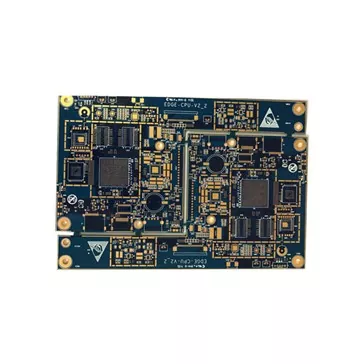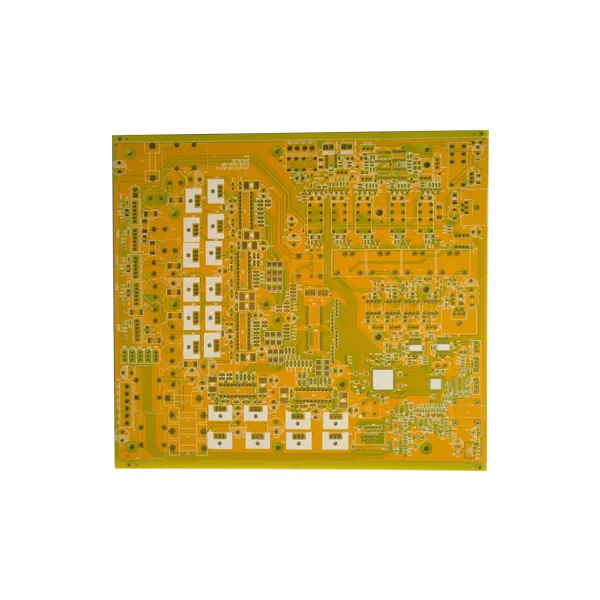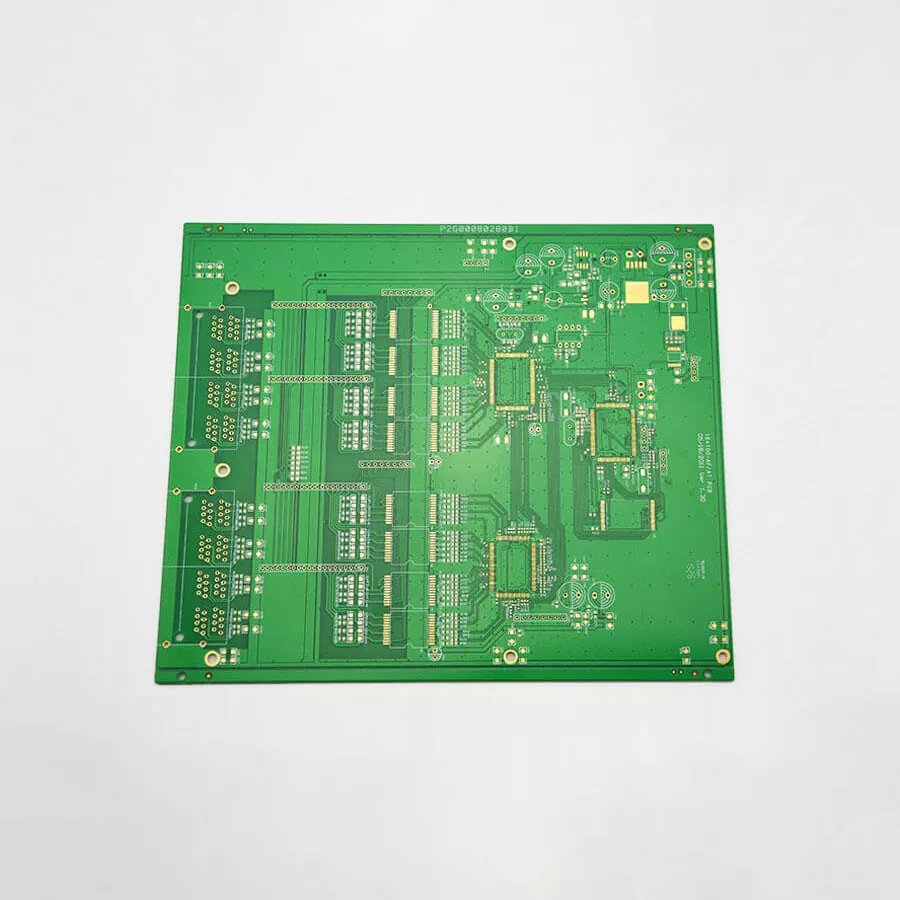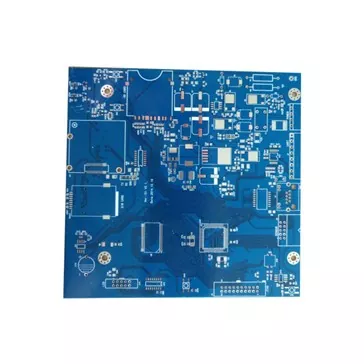
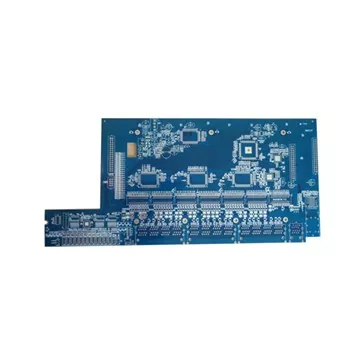
Responsive Neurostimulator PCB
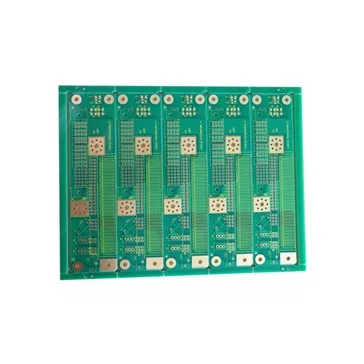
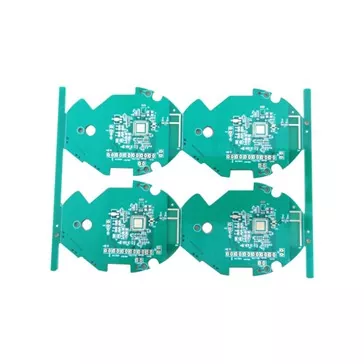
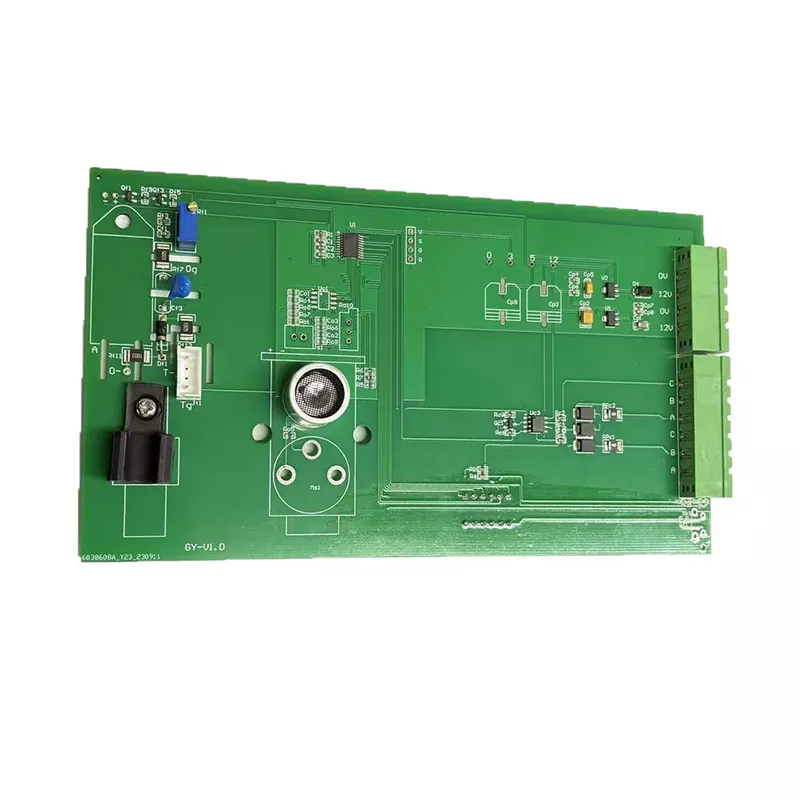
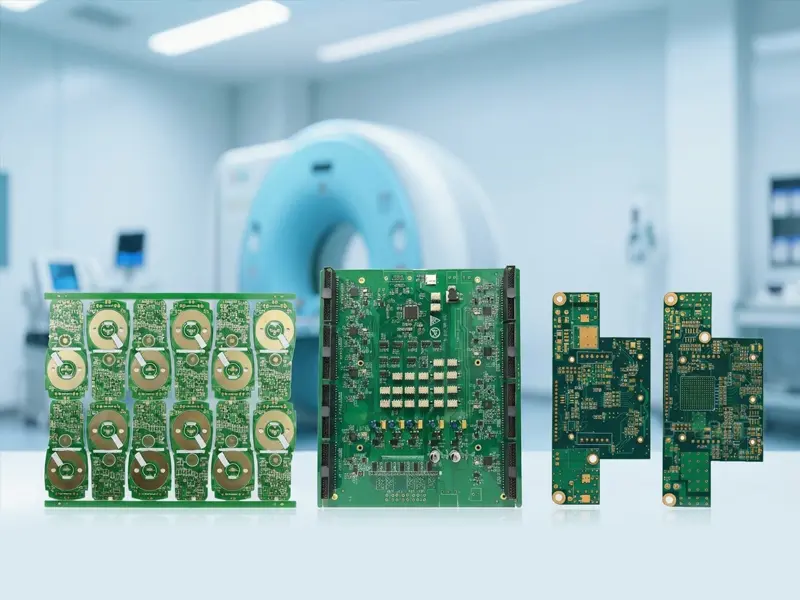
We manufacture high-reliability Responsive Neurostimulator PCB designed for implantable neurostimulation devices, supporting low-noise signal processing, precise stimulation control, HDI miniaturized designs, and strict medical-grade quality requirements. With advanced multilayer PCB fabrication, fine-line routing, and comprehensive testing, we help medical device companies achieve stable performance, long-term reliability, and consistent production for next-generation neurological treatment systems.
Responsive Neurostimulator (RNS) systems are designed to monitor abnormal brain activity and deliver targeted electrical stimulation when specific neural patterns are detected. Unlike standard medical electronics, an RNS device must process extremely weak biological signals while operating within a compact implantable structure.
The PCB inside the neurostimulator plays an important role in maintaining signal accuracy, controlling stimulation timing, and managing power consumption during long-term operation. Aisen Electronics Co., Ltd. develops and manufactures Responsive Neurostimulator PCB with a focus on low-noise circuit design, high-density integration, and stable electrical performance required by neurological medical devices.
PCB Requirements for Responsive Neurostimulator Systems
Low-Noise Circuit Design for Neural Signal Processing
Neural signals captured by an RNS system are usually very small and highly sensitive to external interference. Any unwanted noise introduced during signal transmission may affect detection accuracy and stimulation response.
For this reason, RNS PCB designs require careful control of signal routing, grounding structures, and power distribution. Aisen Electronics supports PCB manufacturing processes that help engineers optimize signal paths, reduce interference between analog and digital circuits, and maintain consistent electrical characteristics throughout the board.
Miniaturized PCB Structures for Implantable Devices
Space limitation is one of the main challenges in implantable medical electronics. RNS devices need to combine sensing circuits, processors, communication modules, and power management functions within a very limited enclosure.
To support compact designs, Aisen Electronics provides Responsive Neurostimulator PCB manufacturing with HDI technology, fine-line routing, and microvia structures. These manufacturing methods allow designers to increase circuit density while maintaining reliable connections between critical components.
Manufacturing Technology for RNS Medical PCBs
High-Density Interconnect and Fine-Pitch Manufacturing
Modern neurostimulator designs often require high component density and complex routing structures. Traditional PCB technology may not provide enough space for advanced medical electronics.
Aisen Electronics supports 4-32 layer PCB production, HDI processing, laser microvias down to 0.1mm, and fine-line manufacturing capabilities down to 3mil line width and spacing. These technologies help achieve smaller PCB footprints while supporting complex signal and power circuits.
Material Selection for Long-Term Device Stability
Implantable medical devices are expected to operate continuously for extended periods, making PCB material selection an important part of product development.
Depending on electrical requirements and application conditions, Aisen Electronics can support different laminate and surface finish options, including ENIG treatment for improved corrosion resistance and stable solder performance. Material selection can be evaluated based on signal frequency, thermal conditions, and mechanical requirements.
RNS PCB Production and Quality Control
Manufacturing Process Focused on Consistency
Medical PCB production requires strict control at every manufacturing stage. From incoming material verification to final electrical inspection, Aisen Electronics monitors key parameters that influence board reliability.
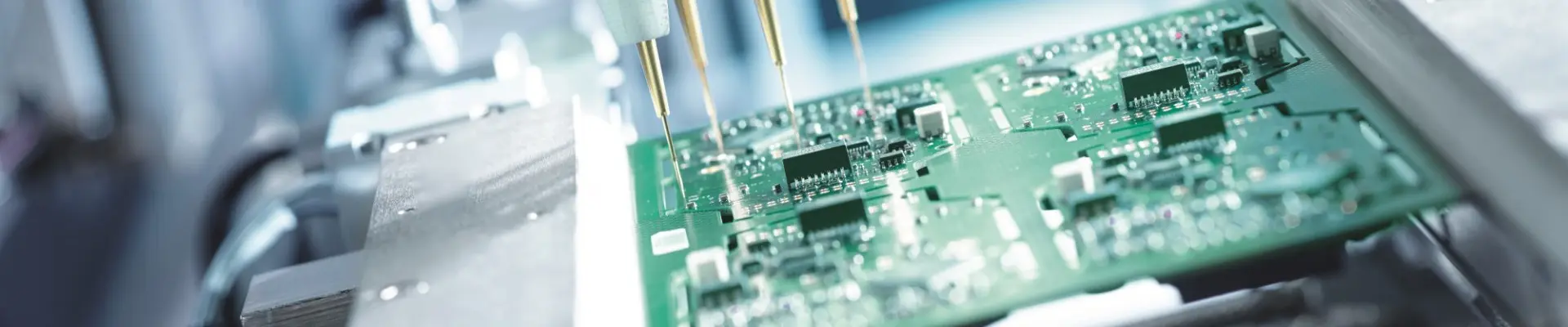
The production process includes multilayer fabrication, precision drilling, copper plating, circuit inspection, surface treatment, and electrical testing. Each stage is controlled to reduce manufacturing variation and maintain consistent performance between prototype builds and production quantities.
Electrical Testing for Medical Applications
Because RNS devices depend on accurate signal processing and stable stimulation control, PCB electrical performance must be verified before delivery.
Aisen Electronics performs electrical testing, impedance verification, optical inspection, and dimensional checks to ensure the finished boards meet customer specifications. These inspection methods help identify potential manufacturing issues before the PCB enters medical device assembly.
PCBA Assembly Support for Neurostimulator Devices
Precision Assembly for Compact Medical Electronics
In addition to PCB fabrication, Aisen Electronics provides PCBA assembly services for customers developing medical electronic equipment.
The assembly process supports miniature components, fine-pitch packages, and high-density layouts commonly used in implantable devices. By combining PCB manufacturing and assembly services, customers can simplify supplier coordination and improve production control.
Engineering Support for RNS PCB Development
Supporting Design Optimization Before Production
Responsive Neurostimulator PCB development involves close coordination between electronic design requirements and manufacturing limitations.
Aisen Electronics works with customers during the early development stage to review PCB stack-up, component placement, routing methods, and manufacturing feasibility. This approach helps identify potential production risks before mass manufacturing begins.
Technical Specifications
| Parameter | Capability |
|---|---|
| Layer Count | 4-32 Layers |
| Minimum Line Width/Spacing | 3mil/3mil |
| HDI Technology | Supported |
| Laser Micro Via | ≥0.1mm |
| Board Thickness | 0.4-5.0mm |
| Copper Thickness | Up to 6oz |
| Impedance Control | ±8% |
Hot Tags: Responsive Neurostimulator PCB Supplier, RNS Neurostimulator PCB Manufacturer, Custom Neurostimulator Circuit Board
Send Inquiry
Contact Info
-
Address
3D4B QiLinXinCun.QiLinYajiu songguang Bao’an Dist, Shenzhen Guangdong Province, China
-
Tel
-
E-mail
Contact Aisen Electronics for PCB and PCBA projects. Our engineering team provides customized solutions, fast response, and reliable manufacturing support.