
Why Engine Control Module PCB Quality Matters for Modern Vehicle Systems
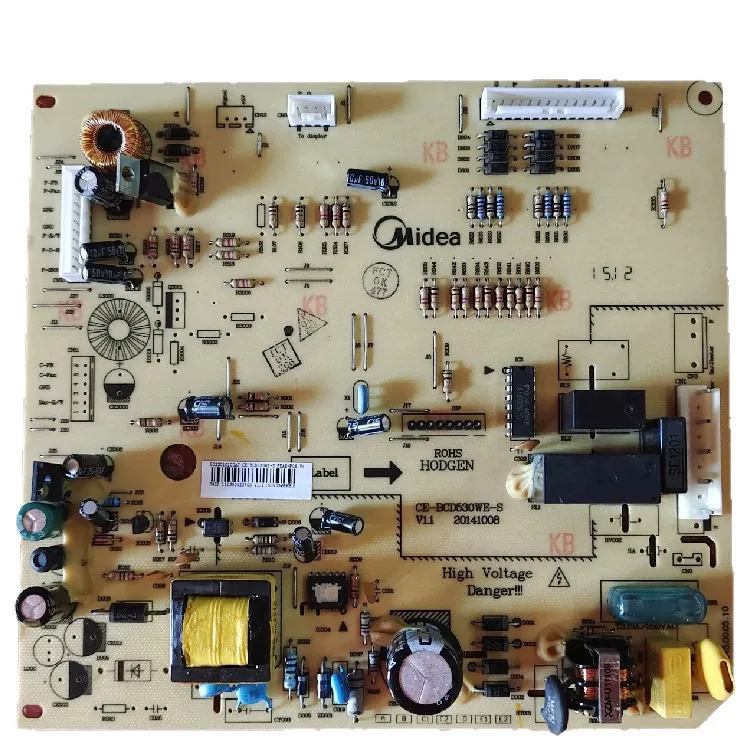
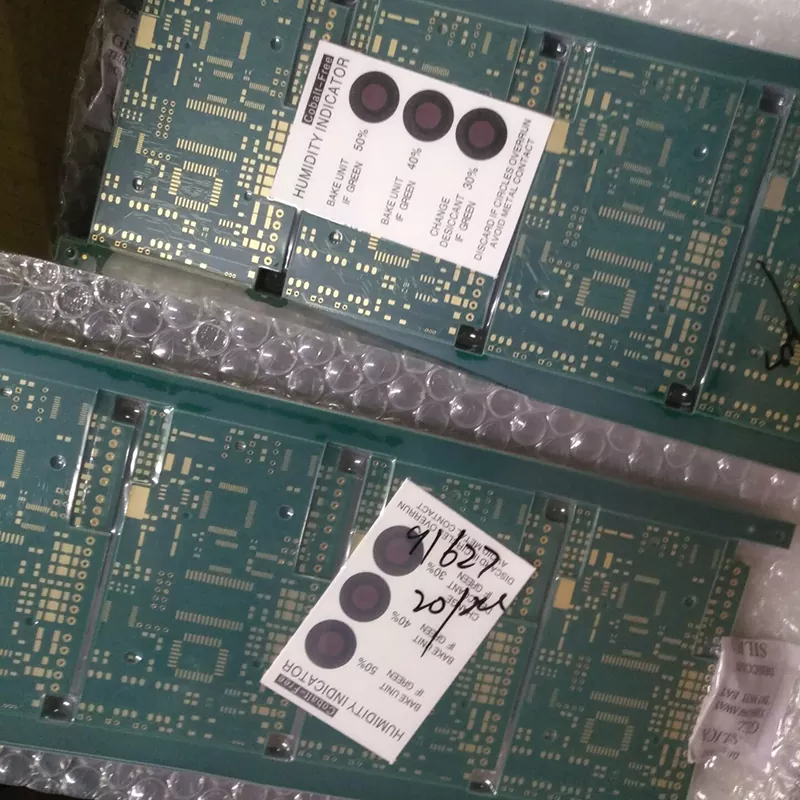
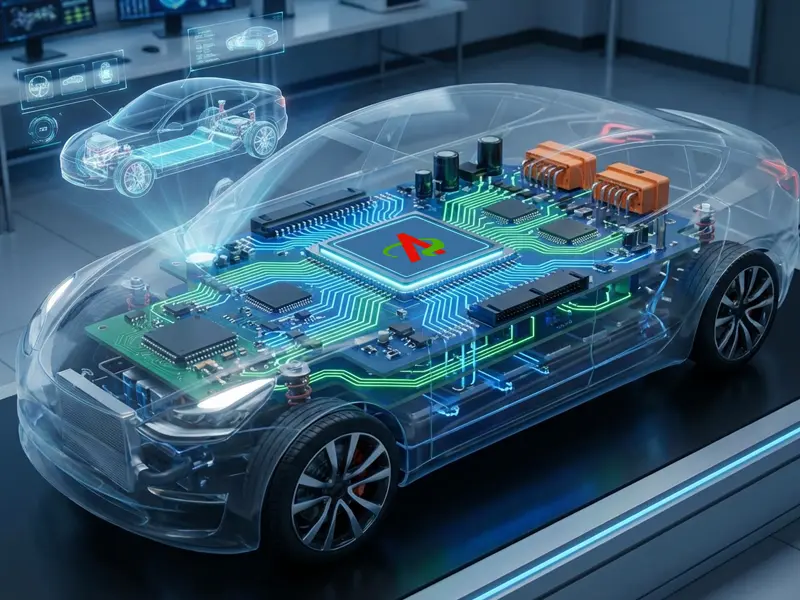
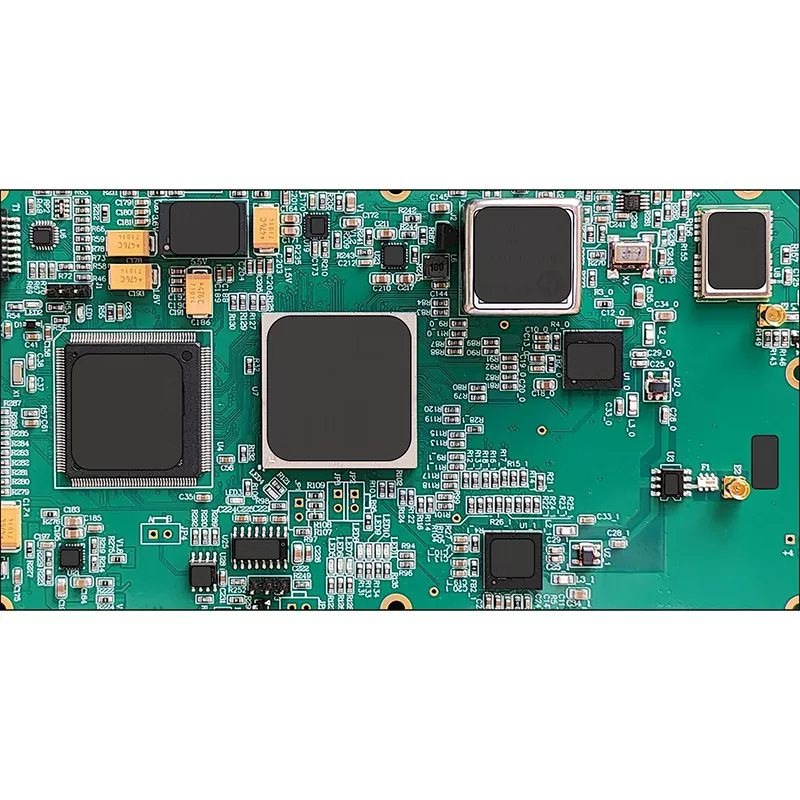
Modern vehicles depend on increasingly complex electronic systems to deliver better performance, safety, fuel efficiency, and driving comfort. At the center of these systems is the Engine Control Module (ECM), which functions as the electronic brain responsible for monitoring and controlling critical engine operations. The Engine Control Module PCB is the foundation that enables the ECM to process signals, manage data, and communicate with other vehicle systems.
As automotive technology continues to evolve, manufacturers face growing challenges in designing and producing reliable Engine Control Module PCBs. Higher operating temperatures, stronger vibration environments, stricter reliability requirements, and increasing electronic integration all demand advanced PCB solutions. A poorly designed or manufactured PCB can lead to unstable engine performance, communication failures, increased maintenance costs, and reduced vehicle reliability.
For businesses looking for dependable automotive PCB solutions, Shenzhen Aisen Electronics Co., Ltd. provides professional PCB manufacturing capabilities designed to meet demanding application requirements. By focusing on precision manufacturing, material selection, and quality control, the company helps customers develop stable and durable electronic solutions for engine control applications.
How Engine Control Module PCB Design Supports Vehicle Performance
The design of an Engine Control Module PCB directly affects how efficiently and accurately an engine control system operates. Unlike ordinary electronic circuit boards, automotive control PCBs must handle harsh environments while maintaining consistent electrical performance.
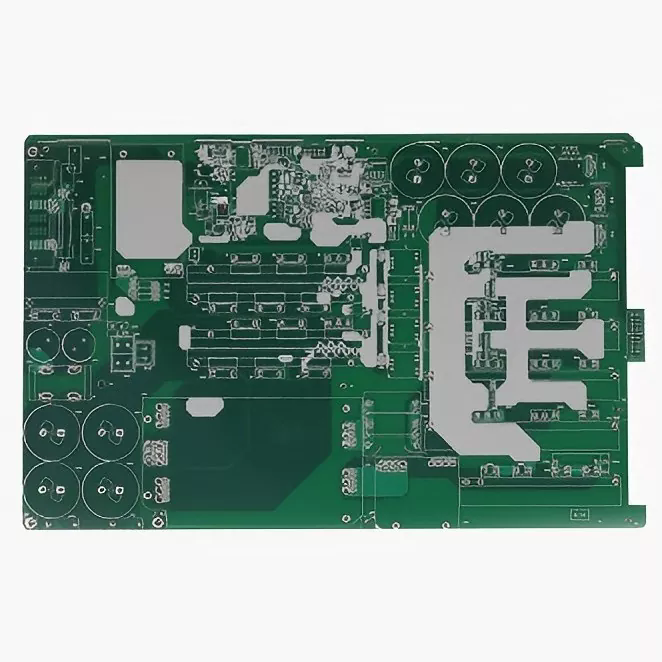
An ECM PCB integrates multiple circuit functions, including power management, signal processing, communication interfaces, and microcontroller operation. Every component placement, circuit layout, and material choice influences the overall reliability of the vehicle control system.
| Design Element | Function | Customer Benefit |
| High-density circuit layout | Allows more electronic functions within limited space | Supports compact and intelligent vehicle designs |
| Thermal management design | Controls heat generated by electronic components | Improves long-term operating stability |
| Signal integrity optimization | Reduces interference and transmission errors | Ensures accurate engine control signals |
| Durable PCB materials | Provides resistance against temperature and vibration | Extends service life in automotive environments |
A professional Engine Control Module PCB design must consider both electrical and mechanical requirements. Engineers need to evaluate current capacity, component compatibility, electromagnetic interference protection, and environmental resistance before production begins.
How Engine Control Module PCB Manufacturing Overcomes Automotive Challenges
Automotive electronics operate under conditions that are much more demanding than many industrial applications. Engine compartments experience temperature fluctuations, moisture exposure, chemical contamination, and continuous mechanical vibration. Therefore, PCB manufacturing quality directly determines whether the final ECM system can operate reliably throughout the vehicle lifecycle.
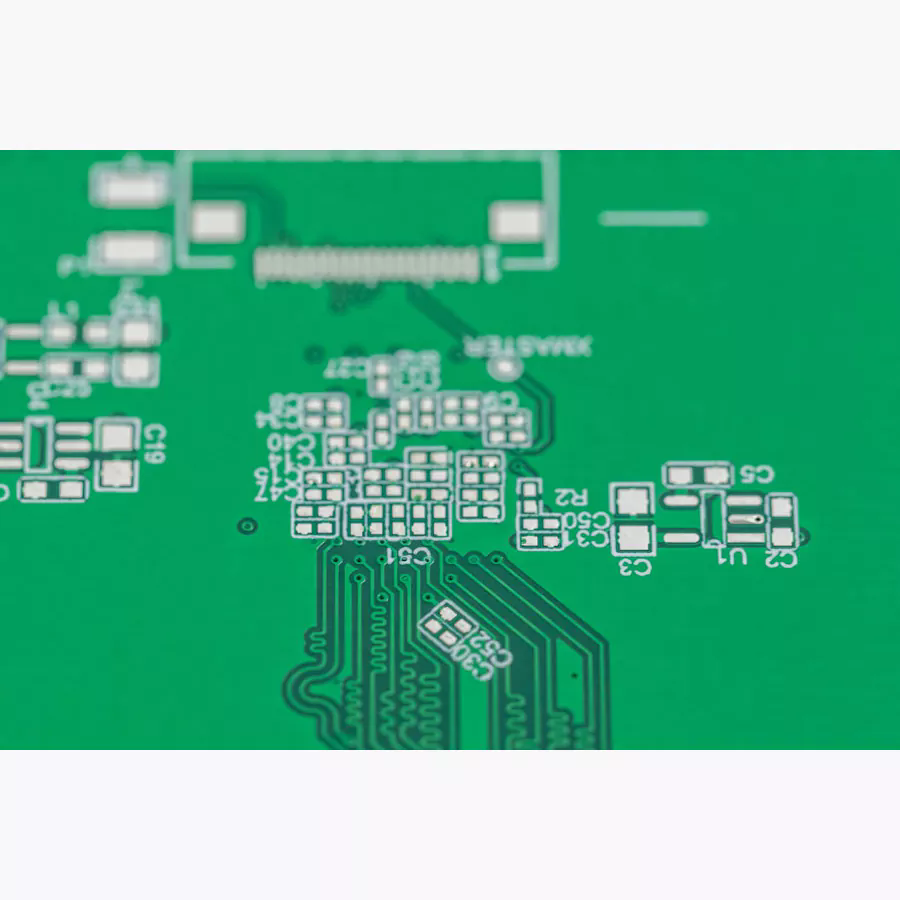
Manufacturers must carefully control every production stage, from raw material inspection to final testing. Advanced manufacturing processes help minimize defects such as soldering problems, circuit failures, signal interference, and component connection issues.
Key manufacturing considerations include:
- Material selection: Automotive PCBs require materials with excellent thermal resistance, mechanical strength, and electrical stability.
- Precision fabrication: Accurate drilling, copper plating, and circuit pattern formation ensure reliable electrical connections.
- Surface treatment: Proper surface finishing improves solderability and protects circuit connections from oxidation.
- Quality inspection: Electrical testing and reliability verification help identify potential failures before delivery.
- Environmental protection: Protective coatings and sealing technologies improve resistance against moisture and contaminants.
Shenzhen Aisen Electronics Co., Ltd. focuses on producing PCB solutions that meet the demanding requirements of automotive electronic applications. Through strict production management and technical expertise, the company supports customers who need stable Engine Control Module PCB solutions for different vehicle platforms.
What Components Are Integrated Into an Engine Control Module PCB?
An Engine Control Module PCB contains multiple electronic components working together to achieve accurate engine management. Each component plays a specific role in receiving information, processing commands, and controlling vehicle operations.
| Component | Role in ECM PCB | Importance |
| Microcontroller Unit (MCU) | Processes sensor data and executes control programs | Determines system response speed and accuracy |
| Power Management Circuit | Regulates voltage and protects electronic components | Maintains stable electrical operation |
| Communication Interface | Transfers data between vehicle modules | Supports intelligent vehicle networking |
| Sensor Interface Circuit | Receives signals from engine sensors | Ensures precise monitoring and adjustment |
| Protection Components | Protect circuits from voltage spikes and interference | Improves system durability |
The integration of these components requires careful PCB layout planning. Poor routing design or insufficient protection may create signal conflicts, overheating problems, or unexpected system failures.
How Reliable Engine Control Module PCB Solutions Benefit Customers
Selecting a reliable Engine Control Module PCB supplier provides significant advantages for automotive manufacturers, electronic system developers, and engineering companies. A high-quality PCB solution helps reduce development risks while improving product performance.
- Improved vehicle reliability: Stable PCB performance reduces unexpected electronic failures during operation.
- Longer product lifespan: Durable materials and advanced manufacturing processes allow PCBs to withstand harsh environments.
- Better production efficiency: Professional PCB suppliers help shorten development cycles and improve manufacturing consistency.
- Reduced maintenance costs: Reliable electronic systems decrease repair frequency and warranty-related expenses.
- Flexible customization: PCB designs can be adjusted according to different vehicle systems and application requirements.
How Quality Control Ensures Engine Control Module PCB Reliability
Quality control is one of the most important factors when producing Engine Control Module PCBs. Since these circuit boards directly influence engine operation, even a minor manufacturing defect can affect vehicle performance and system safety. A reliable PCB supplier must establish comprehensive inspection procedures throughout the entire production process.
Professional automotive PCB manufacturing usually includes multiple testing stages to ensure every board meets application requirements. These inspections help identify potential issues related to electrical performance, mechanical durability, and environmental resistance.
| Inspection Process | Purpose | Problem Prevention |
| Visual Inspection | Checks PCB appearance, surface quality, and manufacturing details | Prevents visible defects and assembly issues |
| Electrical Testing | Verifies circuit continuity and connection performance | Reduces risks of open circuits and short circuits |
| Automated Optical Inspection | Detects PCB pattern and component-related defects | Improves manufacturing accuracy |
| Thermal Testing | Evaluates performance under temperature changes | Ensures stable operation in engine environments |
| Reliability Testing | Simulates long-term operating conditions | Improves product lifespan and durability |
For automotive applications, quality control cannot focus only on finished products. It must also include supplier management, raw material verification, production monitoring, and continuous process improvement. This complete approach helps create Engine Control Module PCBs that deliver consistent performance in real-world driving conditions.
How to Choose the Right Engine Control Module PCB Supplier
Choosing an appropriate Engine Control Module PCB supplier is a critical decision for companies developing automotive electronic systems. The right partner can help improve product reliability, reduce manufacturing risks, and support long-term project success.
Before selecting a supplier, customers should evaluate several important factors:
| Evaluation Factor | Questions to Consider |
| Manufacturing Experience | Does the supplier understand automotive PCB requirements and complex circuit applications? |
| Production Capability | Can the supplier handle different PCB structures, materials, and customization needs? |
| Quality Management | Are there strict inspection procedures and reliable testing systems? |
| Technical Support | Can engineers provide professional assistance during design and production? |
| Delivery Capability | Can the supplier maintain stable production schedules and consistent product quality? |
Shenzhen Aisen Electronics Co., Ltd. understands that automotive electronic projects require more than basic PCB manufacturing. Customers need a partner who can provide technical communication, customized solutions, and dependable production support. By combining manufacturing experience with quality-focused processes, the company helps customers overcome challenges in Engine Control Module PCB development.
How Future Vehicle Technology Will Increase Demand for Advanced ECM PCBs
The automotive industry is moving toward smarter, more connected, and more automated vehicles. Technologies such as electric vehicles, advanced driver assistance systems, intelligent power management, and connected vehicle platforms are increasing the demand for high-performance electronic control systems.
Engine Control Module PCBs are also evolving to support more functions within smaller and more efficient designs. Future PCB solutions will require improved thermal management, higher circuit density, stronger communication capabilities, and enhanced reliability.
- Higher integration: More control functions will be combined into compact electronic modules.
- Advanced materials: New PCB materials will improve heat resistance and electrical performance.
- Improved signal control: Faster communication systems will require optimized circuit designs.
- Greater reliability requirements: Automotive electronics will need longer operating lifetimes and stronger environmental resistance.
- Customized solutions: Different vehicle platforms will require flexible PCB designs.
Companies that invest in reliable Engine Control Module PCB technology can better adapt to changing automotive requirements and develop competitive electronic systems.
How Proper PCB Selection Helps Reduce Automotive System Failures
Many electronic problems in vehicles are related to unstable circuit performance, poor thermal management, or insufficient protection against environmental conditions. Selecting a high-quality Engine Control Module PCB can significantly reduce these risks.
A dependable PCB design helps maintain stable communication between sensors, controllers, and actuators. It also allows the engine management system to respond accurately to changing operating conditions.
| Common Problem | Possible Cause | PCB Solution |
| Unexpected engine control errors | Signal interference or circuit instability | Optimized layout and signal protection design |
| Electronic component overheating | Poor heat dissipation | Improved thermal management structure |
| Communication failure | Weak circuit connections | Reliable manufacturing and electrical testing |
| Shortened service life | Environmental damage | Durable materials and protective technologies |
A well-designed Engine Control Module PCB is not only a circuit carrier but also an essential element that supports vehicle safety, efficiency, and performance.
Frequently Asked Questions About Engine Control Module PCB
Q1: What is an Engine Control Module PCB?
An Engine Control Module PCB is the circuit board inside an engine control unit that supports electronic processing, power management, communication, and signal control functions. It allows the vehicle's engine system to operate accurately and efficiently.
Q2: Why is PCB quality important for engine control systems?
PCB quality directly affects system stability, signal accuracy, and long-term reliability. A high-quality PCB helps prevent electronic failures caused by vibration, heat, electrical interference, and environmental factors.
Q3: Can Engine Control Module PCBs be customized?
Yes. Engine Control Module PCBs can be customized according to different vehicle designs, electronic requirements, component configurations, and operating environments.
Q4: What materials are commonly used for automotive ECM PCBs?
Automotive ECM PCBs typically use materials with strong thermal resistance, mechanical durability, and stable electrical characteristics to ensure reliable operation under demanding conditions.
Q5: How can companies ensure they choose a reliable ECM PCB manufacturer?
Companies should evaluate manufacturing experience, quality control systems, customization capabilities, technical support, and production reliability before selecting a supplier.
How Engine Control Module PCB Solutions Create More Reliable Vehicles
The Engine Control Module PCB plays a vital role in modern automotive electronic systems. As vehicles become smarter and more dependent on electronic control technologies, the demand for reliable, durable, and precise PCB solutions continues to increase.
From advanced circuit design and material selection to strict manufacturing control and reliability testing, every step influences the final performance of an ECM system. Choosing the right PCB partner allows businesses to reduce development risks, improve product quality, and create stronger automotive solutions.
Shenzhen Aisen Electronics Co., Ltd. provides professional Engine Control Module PCB solutions with a focus on precision manufacturing, reliable performance, and customer-oriented service. Whether you need customized PCB development or stable production support for automotive electronic applications, please contact us to discuss your project requirements and discover a suitable solution.
Related News
- How Can a Communication Routers PCB Board Improve High-Speed Network Performance and Reliability
- Why Is a Converter and Selector PCB Critical for High-Performance Electronic Systems
- How Does a Servo Motor PCB Improve Motion Control Reliability?
- How Can Aerospace PCB and PCBA Improve the Reliability of Modern Aerospace Systems?
- Why Is Servo Motor PCB Important in Modern Automation Systems?
- How Do Smart Grids PCB Assembly Boards Improve Modern Power Distribution Systems?
Leave me a message