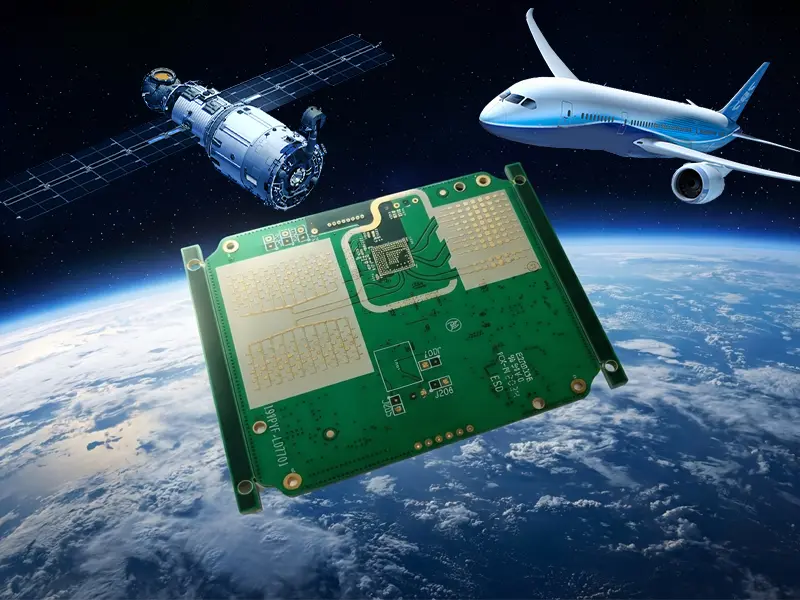

How Can Aerospace PCB and PCBA Improve the Reliability of Modern Aerospace Systems?
Article Summary
Aerospace electronic systems operate under some of the most demanding conditions in the world, requiring exceptional reliability, durability, and precision. Aerospace PCB and PCBA solutions provide the foundation for advanced aircraft electronics, satellite equipment, navigation systems, communication devices, and mission-critical control applications. This article explains how aerospace-grade printed circuit boards and assemblies solve common engineering challenges, improve system performance, and support the development of safer and more efficient aerospace technologies.
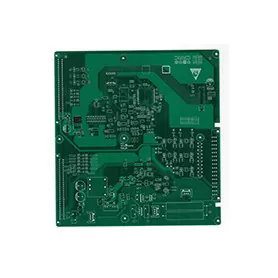
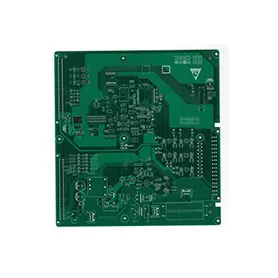
With extensive experience in advanced PCB manufacturing, Aisen Electronics Co., Ltd. provides customized aerospace PCB and PCBA solutions designed to meet strict quality requirements, complex designs, and demanding operational environments.
Table of Contents
- 1. What Are Aerospace PCB and PCBA Solutions?
- 2. What Challenges Do Aerospace Electronic Systems Face?
- 3. How Do Aerospace PCB and PCBA Improve Reliability?
- 4. What Features Make Aerospace PCB and PCBA Different?
- 5. Where Are Aerospace PCB and PCBA Used?
- 6. How Should Companies Select the Right Aerospace PCB and PCBA Supplier?
- 7. Why Choose Aisen Electronics Co., Ltd. for Aerospace PCB and PCBA?
- 8. Frequently Asked Questions About Aerospace PCB and PCBA
What Are Aerospace PCB and PCBA Solutions?
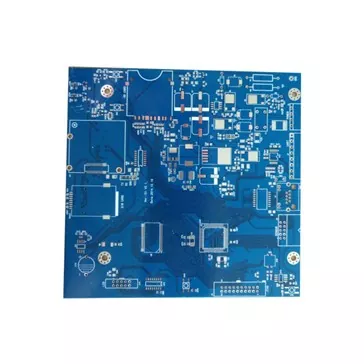
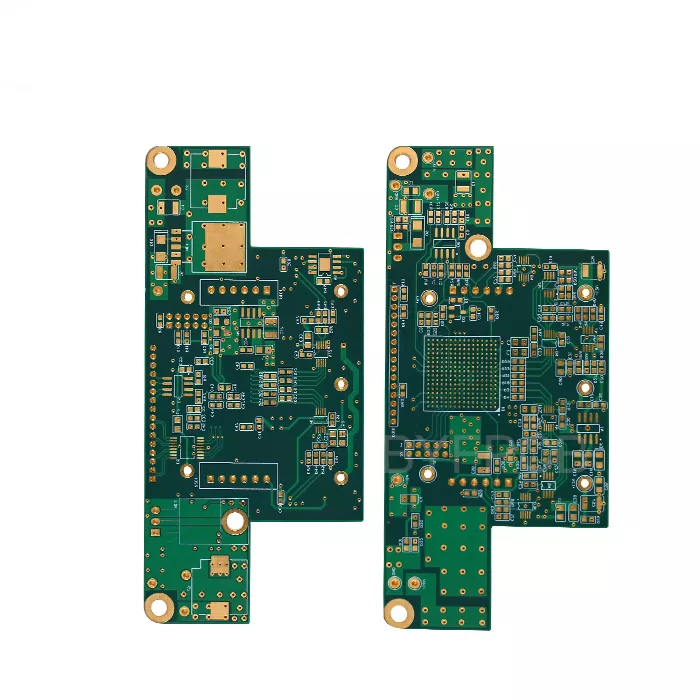
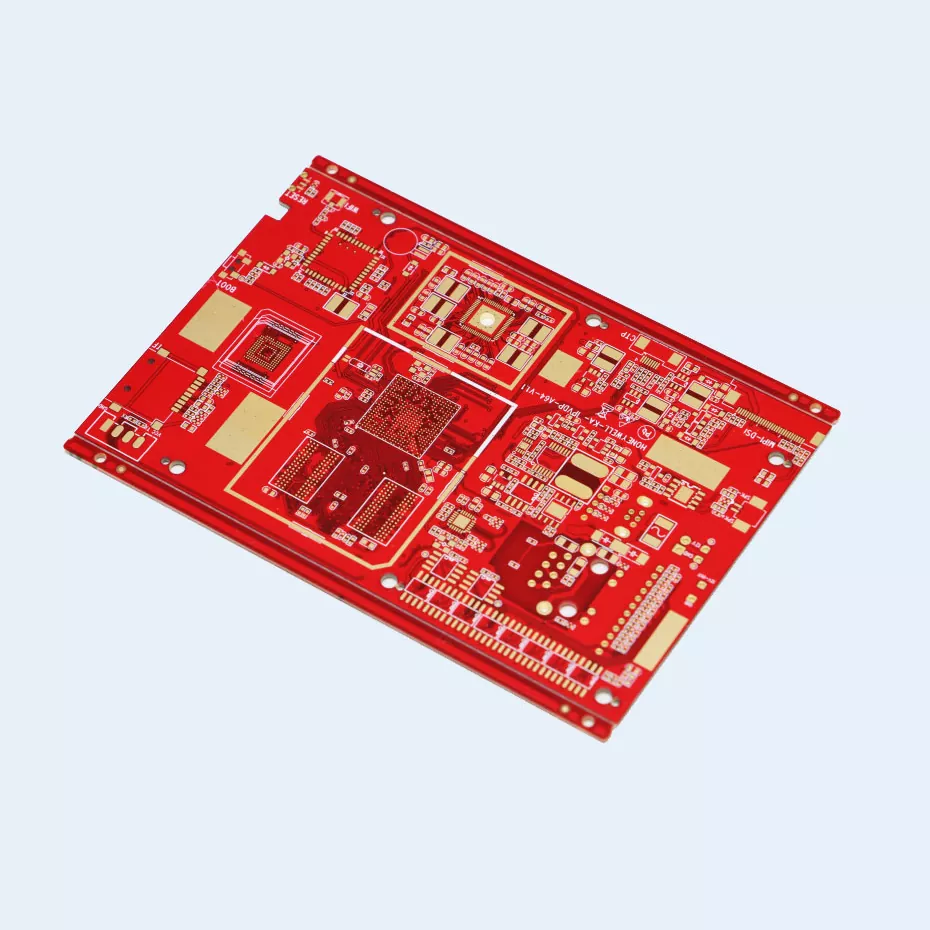
Aerospace PCB and PCBA refer to specialized printed circuit boards and assembled electronic components developed specifically for aerospace applications. Unlike standard circuit boards used in consumer electronics, aerospace boards must withstand extreme temperature changes, mechanical vibration, radiation exposure, pressure variations, and long operational cycles.
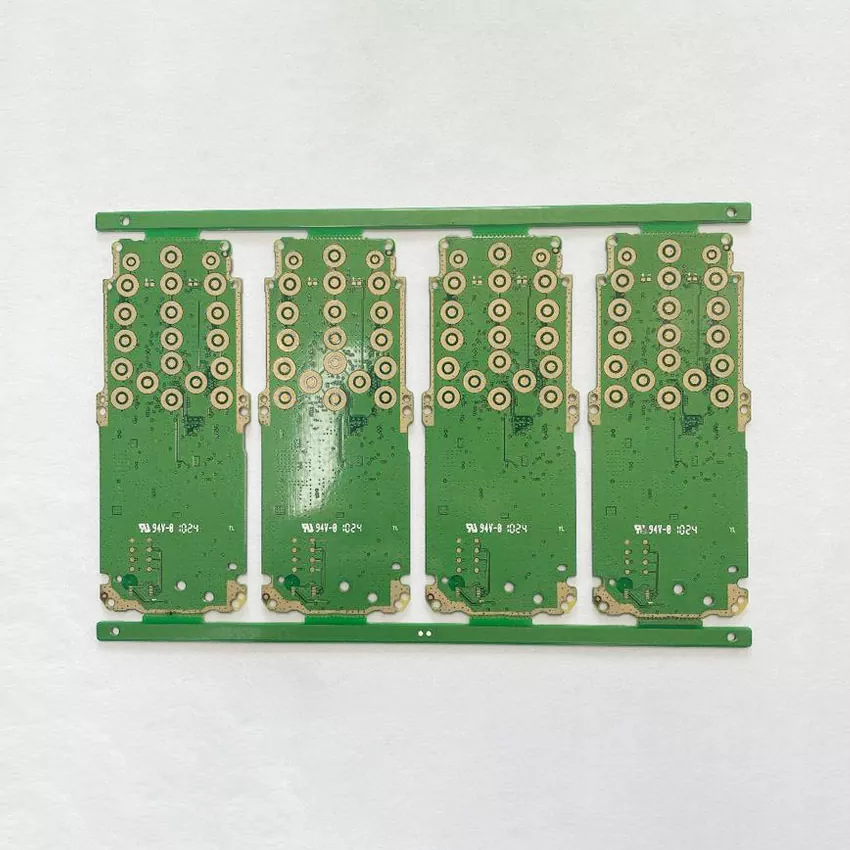
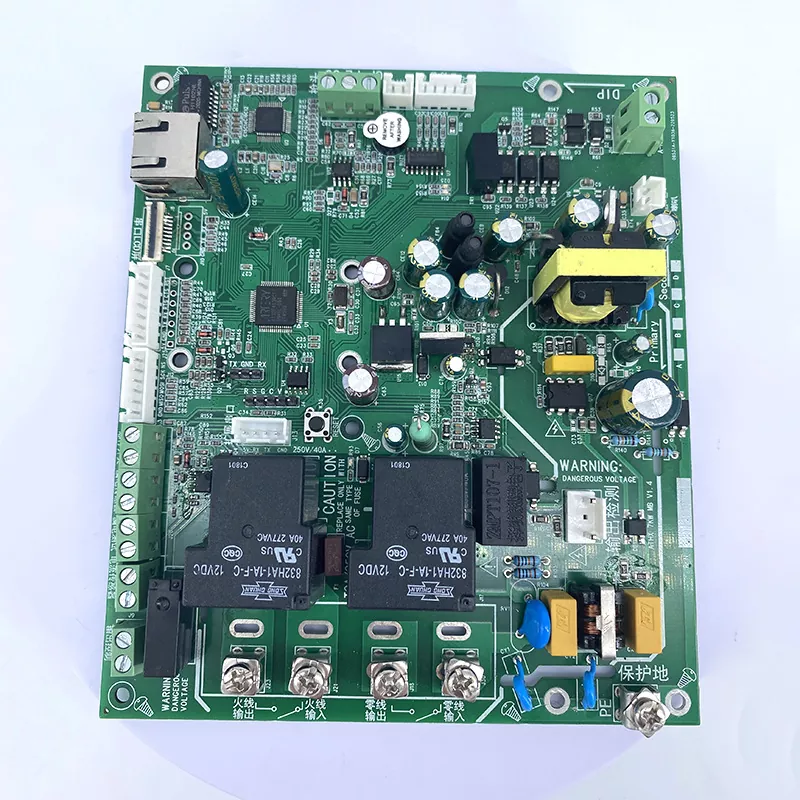
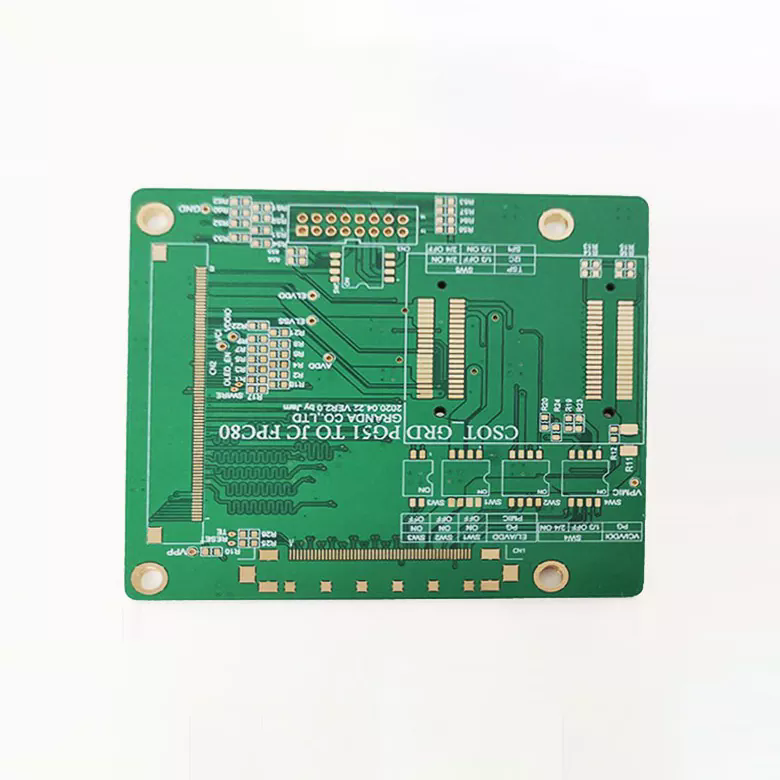
Aerospace PCB is the foundation that connects electronic components through carefully designed copper traces, multilayer structures, and advanced materials. PCBA refers to the completed assembly process where electronic components such as processors, sensors, connectors, and integrated circuits are mounted onto the PCB.
Together, aerospace PCB and PCBA create reliable electronic platforms that support critical functions including flight control, communication, navigation, monitoring, and data processing.
| Component | Main Function | Aerospace Requirement |
|---|---|---|
| Aerospace PCB | Provides electrical connections and mechanical support | High durability, precision design, environmental resistance |
| Aerospace PCBA | Integrates electronic components into a complete functional unit | Reliable assembly, strict inspection, long service life |
| Electronic Components | Perform processing, sensing, communication, and control tasks | High stability under harsh conditions |
What Challenges Do Aerospace Electronic Systems Face?
Aerospace equipment must maintain stable operation in environments where electronic failures can create significant safety risks. Engineers need PCB and PCBA solutions that overcome multiple challenges during design, manufacturing, and operation.
- Extreme Temperature Conditions: Aircraft and spacecraft electronics may experience rapid temperature changes. Materials and manufacturing processes must ensure stable electrical performance under thermal stress.
- Mechanical Vibration and Shock: Aircraft engines, launch systems, and high-speed flight environments generate continuous vibration. Aerospace PCB and PCBA designs require strong structures to prevent connection failures.
- Space Limitations: Aerospace equipment often requires compact electronics with higher functionality. Multilayer PCB designs help integrate more circuits into limited spaces.
- Long-Term Reliability: Many aerospace systems operate for years without easy access for repair. Components must maintain performance throughout their expected service life.
- Signal Accuracy: Navigation, communication, and control systems require precise signal transmission. PCB design quality directly affects electromagnetic performance and signal integrity.
These challenges make aerospace PCB and PCBA manufacturing significantly more demanding than ordinary electronic production. Every design decision, material selection, and assembly process can influence final system reliability.
How Do Aerospace PCB and PCBA Improve Reliability?
The reliability of aerospace electronic systems depends heavily on the quality of PCB design and assembly. Advanced aerospace PCB and PCBA solutions improve reliability through several important approaches.
1. Advanced Material Selection
Aerospace circuit boards often use high-performance materials with excellent thermal stability, mechanical strength, and electrical properties. These materials help maintain consistent operation when exposed to environmental stress.
2. Multilayer PCB Technology
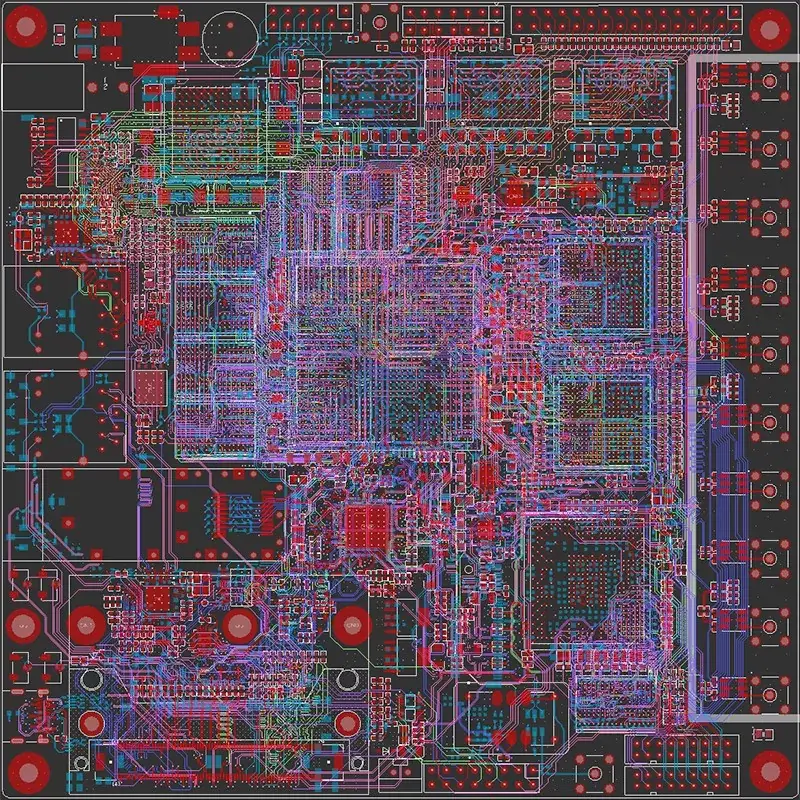
Modern aerospace systems require more functions in smaller spaces. Multilayer aerospace PCBs allow designers to combine power circuits, signal layers, and grounding structures while reducing overall size and improving performance.
3. Precision Manufacturing Processes
Aerospace PCB production requires accurate drilling, controlled impedance, fine-line routing, and advanced inspection procedures. Manufacturing precision helps reduce defects and improves long-term reliability.
4. Professional Assembly Technology
Aerospace PCBA requires careful component placement, soldering control, and quality verification. Proper assembly prevents issues such as weak connections, thermal problems, and electrical failures.
| Reliability Factor | How Aerospace PCB and PCBA Address It |
|---|---|
| Environmental Resistance | Use durable materials and protective manufacturing methods |
| Electrical Stability | Optimize circuit design and signal transmission performance |
| Mechanical Strength | Improve structural design to withstand vibration and shock |
| Operational Lifespan | Apply strict production and inspection standards |
What Features Make Aerospace PCB and PCBA Different?
Aerospace PCB and PCBA solutions must satisfy higher performance expectations than conventional circuit boards. The difference is not only in the materials used but also in the engineering methods, manufacturing controls, and testing procedures applied throughout production.
A reliable aerospace electronic system requires every layer of the PCB structure and every assembled component to work together accurately. Aisen Electronics Co., Ltd. focuses on developing customized aerospace PCB and PCBA solutions that support complex designs while maintaining stable performance in demanding environments.
| Key Feature | Description | Customer Benefit |
|---|---|---|
| High-Density Interconnect Design | Uses advanced routing technologies to integrate more functions into compact spaces | Supports lightweight and space-efficient aerospace equipment |
| Excellent Thermal Performance | Designed with suitable materials and structures to manage heat effectively | Reduces overheating risks and improves operating stability |
| Strong Mechanical Durability | Built to withstand vibration, impact, and long-term stress | Maintains reliable operation during flight and launch conditions |
| High Signal Integrity | Optimized circuit layouts reduce interference and transmission problems | Improves communication and control system accuracy |
| Strict Quality Control | Includes detailed inspection and testing throughout production | Reduces failures and increases product confidence |
Compared with commercial electronic boards, aerospace PCB and PCBA products require more detailed engineering evaluation. Designers must consider not only electrical performance but also environmental conditions, maintenance requirements, and the entire lifecycle of the equipment.
Where Are Aerospace PCB and PCBA Used?
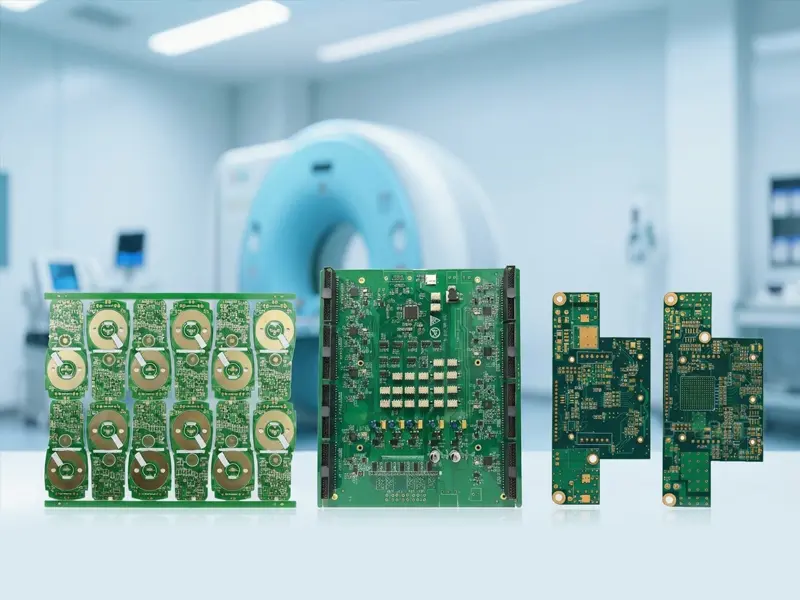
Aerospace PCB and PCBA technologies are widely used in aircraft, spacecraft, defense-related aerospace equipment, and advanced aviation systems. As aerospace technology continues to develop, electronic systems are becoming increasingly important for improving safety, automation, and operational efficiency.
- Aircraft Flight Control Systems: Aerospace PCBA solutions support control units responsible for monitoring and managing flight operations. These systems require extremely stable performance because they directly influence aircraft functionality.
- Navigation and Positioning Equipment: Precision navigation systems depend on reliable circuit boards to process sensor data and provide accurate information for pilots and automated systems.
- Communication Systems: Aircraft and spacecraft communication equipment require high-performance PCB structures to ensure stable signal transmission over long distances.
- Satellite Electronics: Satellites operate in challenging environments where maintenance is impossible after launch. Aerospace PCB and PCBA must provide long-term reliability and resistance to environmental stress.
- Avionics Equipment: Modern avionics systems combine computing, monitoring, and communication functions. Compact and dependable PCB assemblies are essential for these integrated systems.
- Unmanned Aerial Vehicles: Drones and autonomous aircraft require lightweight electronics with high processing capability and reliable operation.
| Application Area | PCB and PCBA Requirements |
|---|---|
| Commercial Aircraft | Long service life, vibration resistance, stable operation |
| Spacecraft | High reliability, environmental protection, durability |
| Satellite Systems | Compact design, low failure rate, efficient performance |
| Drone Technology | Lightweight structure, fast response, power efficiency |
How Should Companies Select the Right Aerospace PCB and PCBA Supplier?
Choosing the right aerospace PCB and PCBA supplier is an important decision because electronic reliability directly affects the performance of aerospace equipment. Companies should evaluate suppliers based on technical capability, manufacturing experience, quality management, and customization ability.
The following factors can help businesses identify a suitable manufacturing partner:
- Industry Experience: A supplier with experience in complex electronic manufacturing can better understand aerospace requirements and design challenges.
- Advanced Manufacturing Capability: Modern aerospace projects require precision production equipment and professional engineering support.
- Quality Inspection Process: Reliable suppliers should have comprehensive inspection procedures to identify potential issues before delivery.
- Customization Support: Different aerospace applications require different PCB structures, materials, and assembly methods.
- Technical Communication: Effective cooperation between engineers and manufacturers helps optimize product design and avoid unnecessary production risks.
| Evaluation Point | Questions Companies Should Consider |
|---|---|
| Technical Capability | Can the supplier handle complex aerospace PCB and PCBA designs? |
| Production Quality | Does the supplier have reliable manufacturing and testing procedures? |
| Customization Service | Can solutions be adjusted according to specific application requirements? |
| Project Support | Can engineers provide professional assistance throughout development? |
Why Choose Aisen Electronics Co., Ltd. for Aerospace PCB and PCBA?
Aisen Electronics Co., Ltd. provides professional aerospace PCB and PCBA manufacturing solutions for customers requiring high reliability and advanced electronic performance. The company understands that aerospace applications require careful attention to every production detail, from initial design analysis to final quality verification.
By combining manufacturing expertise, engineering support, and strict production management, Aisen Electronics Co., Ltd. helps customers develop electronic solutions suitable for demanding aerospace environments.
The company focuses on providing customized services that address common customer concerns, including:
- Improving product reliability for long-term operation.
- Supporting complex PCB structures and advanced electronic designs.
- Reducing potential production risks through professional manufacturing processes.
- Helping customers achieve efficient development of aerospace electronic projects.
- Providing flexible solutions for different aerospace application requirements.
For aerospace manufacturers and electronic system developers, selecting a capable PCB and PCBA partner is essential for building safe, efficient, and dependable aerospace products.
Frequently Asked Questions About Aerospace PCB and PCBA
1. What makes aerospace PCB and PCBA different from standard circuit boards?
Aerospace PCB and PCBA are designed for highly demanding environments where reliability and durability are critical. Compared with standard electronic boards, aerospace-grade solutions require stronger resistance to temperature changes, vibration, mechanical stress, and long-term operation. They also involve stricter design requirements, advanced materials, and detailed quality inspection procedures.
2. Why is reliability important for aerospace PCB and PCBA?
Aerospace electronic systems often operate in situations where repair or replacement is difficult. For aircraft, satellites, and other aerospace equipment, electronic failures can interrupt important functions and increase operational risks. Reliable aerospace PCB and PCBA solutions help maintain stable performance throughout the equipment lifecycle.
3. What materials are commonly used for aerospace PCB manufacturing?
Aerospace PCB manufacturing typically uses high-performance materials selected for thermal stability, electrical performance, and mechanical strength. The material choice depends on application requirements, operating environment, frequency performance, and reliability expectations.
4. Can aerospace PCB and PCBA be customized for specific applications?
Yes. Aerospace electronic systems often have unique requirements related to size, weight, power consumption, signal performance, and environmental conditions. Professional manufacturers can provide customized PCB structures and assembly solutions based on specific project requirements.
5. How does Aisen Electronics Co., Ltd. support aerospace PCB and PCBA projects?
Aisen Electronics Co., Ltd. provides customized aerospace PCB and PCBA solutions by combining engineering experience, manufacturing capabilities, and quality-focused production processes. The company works with customers to develop reliable electronic solutions suitable for complex aerospace applications.
6. What industries benefit from aerospace PCB and PCBA technology?
Aerospace PCB and PCBA technologies support various industries, including aviation, satellite communication, aerospace research, unmanned aerial systems, navigation equipment, and advanced electronic control systems. Any application requiring compact, reliable, and high-performance electronics can benefit from aerospace-grade circuit solutions.
Conclusion
Aerospace PCB and PCBA technologies play a critical role in modern aerospace development by providing dependable electronic foundations for aircraft, satellites, communication systems, and advanced aviation equipment. As aerospace applications become more intelligent and complex, the demand for high-performance circuit boards with excellent reliability continues to increase.
From advanced materials and precision manufacturing to customized designs and strict quality management, every aspect of aerospace PCB and PCBA production influences the final performance of electronic systems. Choosing an experienced manufacturing partner helps companies reduce development risks, improve product reliability, and achieve better results in challenging aerospace environments.
Aisen Electronics Co., Ltd. is committed to delivering professional aerospace PCB and PCBA solutions that meet the needs of modern aerospace projects. With customized capabilities and a focus on dependable electronic manufacturing, the company supports customers in developing high-quality aerospace products.
If you are looking for a reliable partner for advanced aerospace PCB and PCBA solutions, contact us today to discuss your project requirements and discover how Aisen Electronics Co., Ltd. can provide the right solution for your application.
Related News
- How Can a Communication Routers PCB Board Improve High-Speed Network Performance and Reliability
- Why Is a Converter and Selector PCB Critical for High-Performance Electronic Systems
- Why Engine Control Module PCB Quality Matters for Modern Vehicle Systems
- How Does a Servo Motor PCB Improve Motion Control Reliability?
- Why Is Servo Motor PCB Important in Modern Automation Systems?
- How Do Smart Grids PCB Assembly Boards Improve Modern Power Distribution Systems?
Leave me a message