
How Does a High-Quality TV PCB Board Improve Television Performance and Reliability
In today's competitive consumer electronics market, a reliable TV PCB Board is essential for delivering stable picture quality, clear audio, efficient power management, and intelligent connectivity. Aisen, a professional PCB and PCBA manufacturer, provides customized television circuit board solutions for LED TVs, OLED displays, smart televisions, and other advanced display equipment. By combining multilayer PCB technology, precision manufacturing, and comprehensive quality inspection, manufacturers can develop television products that meet increasingly demanding performance and reliability requirements.
A TV PCB Board serves as the electrical foundation of modern television systems. It connects processors, display interfaces, memory chips, power circuits, audio components, and communication modules to ensure coordinated operation. Selecting the right PCB structure, substrate material, copper thickness, impedance control, and manufacturing process directly influences signal integrity, thermal performance, and product lifespan.
This article explores the major functions of television circuit boards, common PCB structures, manufacturing technologies, technical specifications, quality control procedures, and supplier selection considerations. It also explains how customized PCB and PCBA manufacturing solutions help television brands improve product consistency and production efficiency.
Table of Contents
2. What Are the Main Functions of a Television PCB?
3. What Types of PCB Boards Are Used in Modern TVs?
4. Which Materials and Technical Specifications Matter?
5. How Is a TV PCB Board Manufactured?
6. What Quality Standards Should Buyers Consider?
7. What Are the Main Applications of TV Circuit Boards?
8. How to Choose a Reliable TV PCB Board Manufacturer?
1. What Is a TV PCB Board?
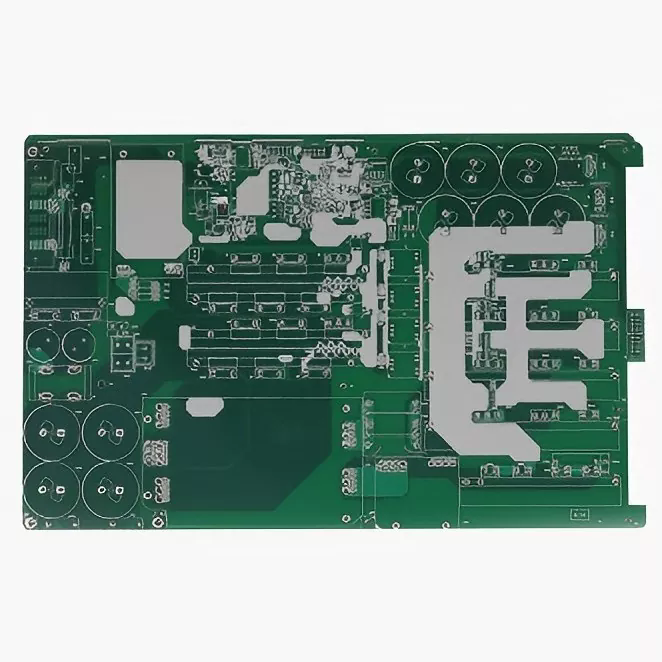
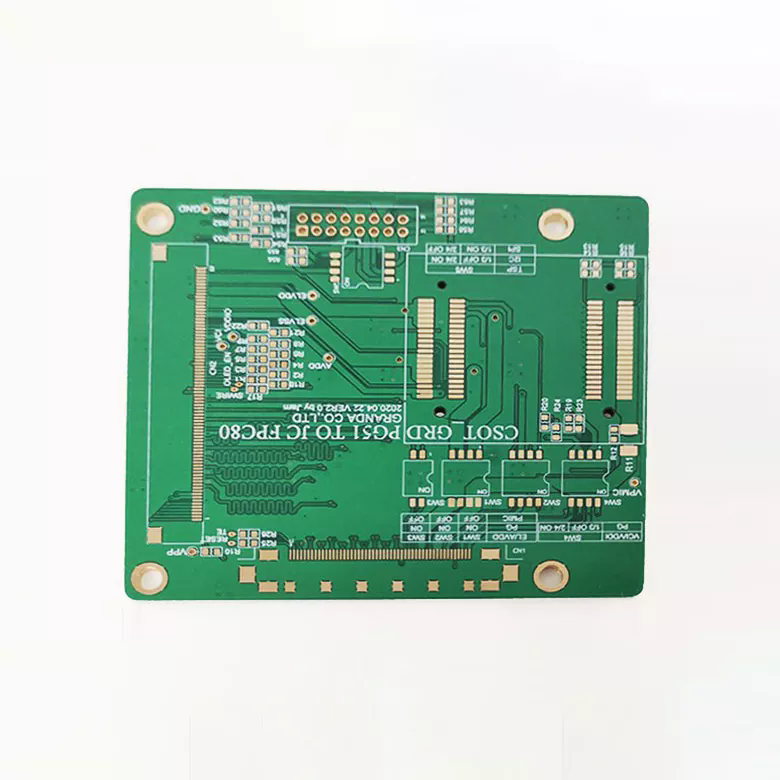
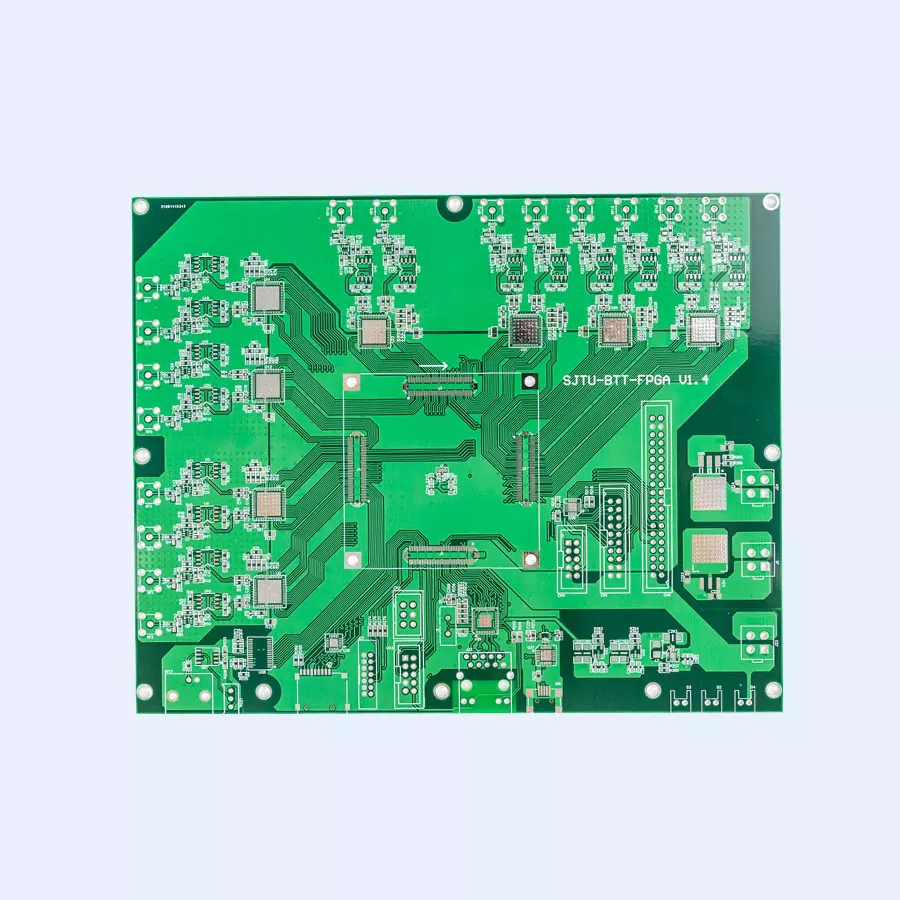
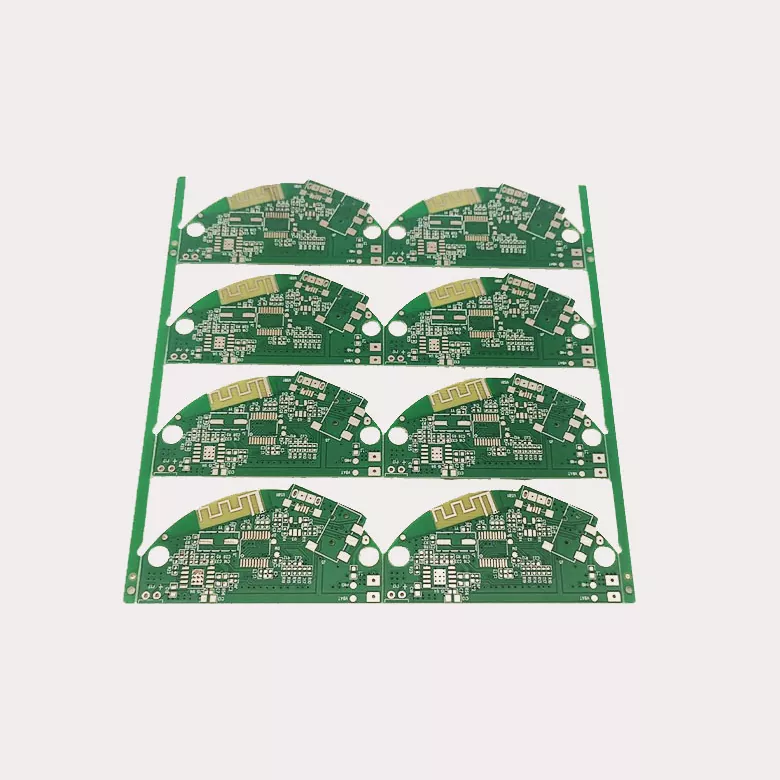
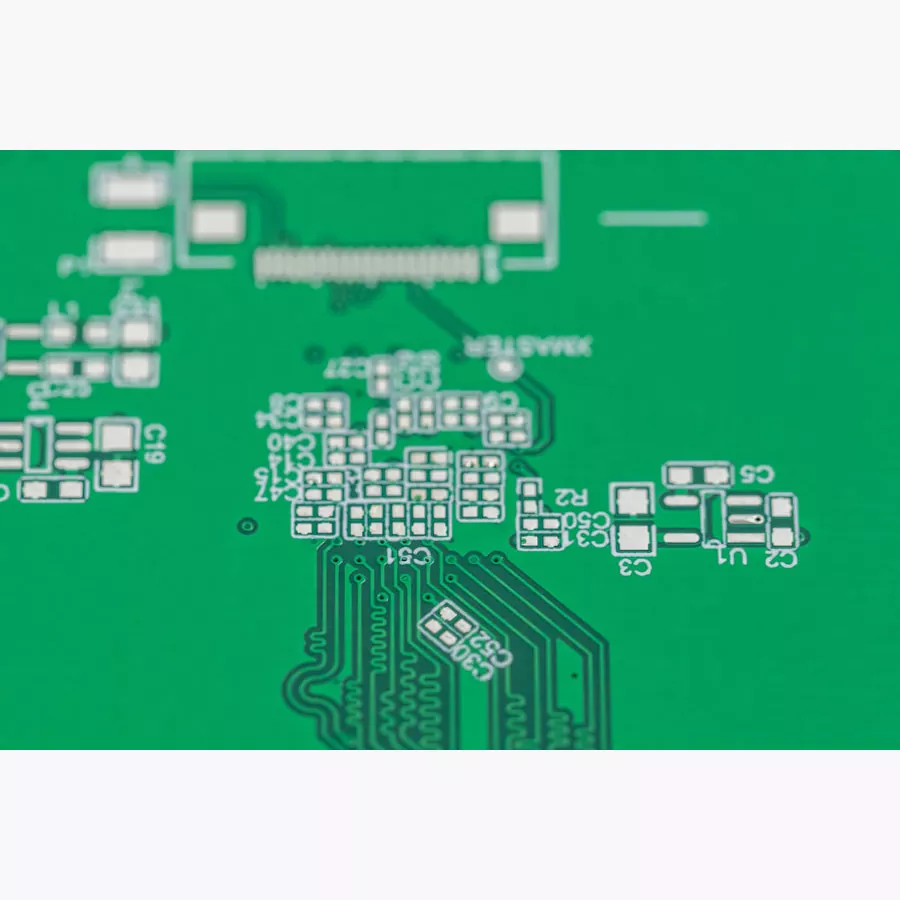
A TV PCB Board, also known as a television printed circuit board, is an electronic substrate that mechanically supports and electrically connects the components inside a television. It uses conductive copper pathways, insulating materials, and precisely designed circuit structures to transmit electrical signals between different functional modules.
Modern televisions integrate multiple electronic systems into increasingly compact spaces. Their circuit boards must support high-speed data transmission, complex processing operations, stable power distribution, and reliable communication between components.
A typical television may contain several specialized circuit boards:
- Mainboard: Controls the television's primary processing functions, operating system, signal inputs, and communication interfaces.
- Power Supply Board: Converts incoming electrical power into the voltage levels required by different electronic components.
- T-Con Board: Coordinates timing and data transmission between the mainboard and display panel.
- LED Driver Board: Regulates power supplied to the LED backlight system.
- Audio Board: Supports sound processing, amplification, and speaker connections.
Depending on the television architecture, some functions may be integrated into a single board rather than manufactured as separate assemblies.
For manufacturers, selecting an appropriate PCB structure is an important engineering decision that affects circuit performance, assembly complexity, production costs, and long-term reliability.
2. What Are the Main Functions of a Television PCB?
A television PCB does considerably more than connect electronic components. It provides the electrical infrastructure required for image processing, sound reproduction, power regulation, and smart functionality.
2.1 Video Signal Processing
Modern televisions support high-resolution video formats, including 4K and advanced HDR content. Their circuit boards must transmit high-speed digital signals between processors, memory devices, display interfaces, and other components.
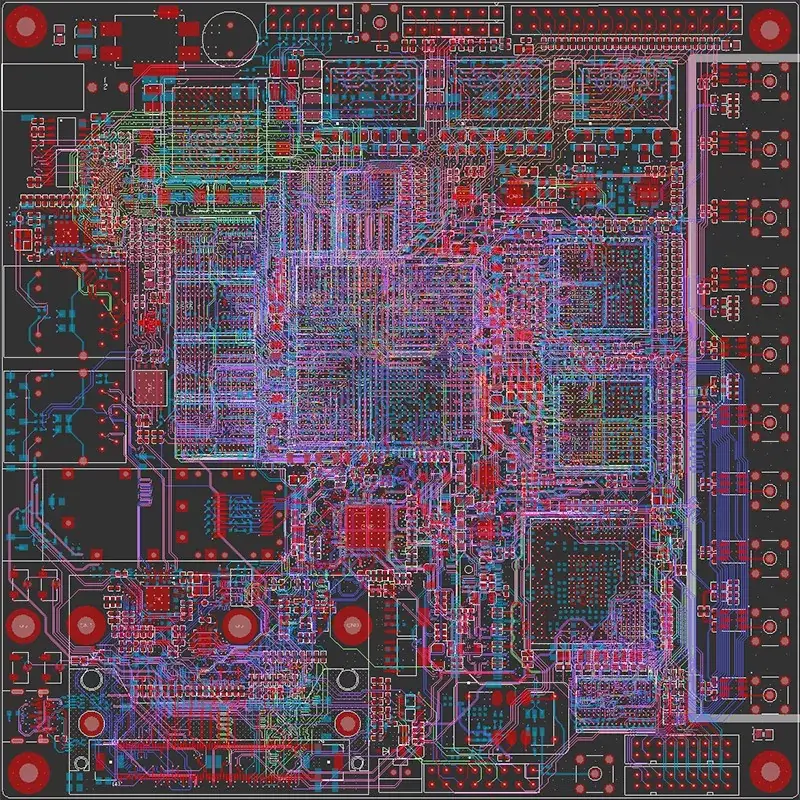
Proper impedance control, carefully designed signal traces, and suitable multilayer structures help minimize signal reflections, interference, and transmission errors.
2.2 Power Distribution and Thermal Management
Television electronics contain components operating at different voltage and current levels. The PCB distributes electrical power while maintaining stable operating conditions.
Engineers should consider copper thickness, conductor width, component placement, thermal paths, and electrical isolation when designing power-related circuits.
2.3 Audio and Smart Connectivity
Smart TVs incorporate wireless communication, network interfaces, external device connections, and sophisticated audio processing functions.
The PCB must accommodate these technologies while maintaining reliable electrical connections and minimizing electromagnetic interference.
2.4 Electromagnetic Compatibility
High-speed processors, switching power supplies, and wireless modules can generate electromagnetic interference. Appropriate grounding, shielding arrangements, trace routing, and PCB layer design help improve electromagnetic compatibility.
3. What Types of PCB Boards Are Used in Modern TVs?
Different television designs require different PCB technologies. The selection depends on circuit complexity, available installation space, signal speed, electrical load, and manufacturing budget.
| PCB Type | Main Characteristics | Typical TV Applications |
|---|---|---|
| Single-Sided PCB | Conductive copper on one side; relatively simple structure | Basic control and auxiliary circuits |
| Double-Sided PCB | Copper circuits on both sides with plated-through connections | Power modules and general electronic control |
| Multilayer PCB | Multiple conductive layers for complex routing and signal management | Smart TV mainboards and advanced processing circuits |
| HDI PCB | High-density interconnections and microvia technology | Compact, high-performance television electronics |
| Rigid-Flex PCB | Combines rigid and flexible circuit sections | Specialized compact electronic assemblies |
Among these options, multilayer and HDI technologies are particularly useful for advanced television designs because they allow engineers to accommodate more connections within limited board dimensions.
Aisen provides multiple PCB manufacturing technologies, including rigid PCB, multilayer PCB, HDI PCB, and rigid-flex PCB, supporting customized electronic requirements from prototype development to production.
4. Which Materials and Technical Specifications Matter?
Material selection and manufacturing precision directly influence the electrical and mechanical properties of a TV PCB Board. Engineers should evaluate the complete operating environment rather than choosing materials based solely on initial purchasing costs.
4.1 Common PCB Substrate Materials
- FR-4: A widely used glass-fiber-reinforced epoxy laminate offering a practical balance of electrical insulation, mechanical strength, and cost.
- High-Tg FR-4: Suitable for applications requiring improved thermal resistance during manufacturing and operation.
- High-Frequency Materials: Specialized laminates can be considered for circuits with demanding high-frequency electrical characteristics.
- Flexible PCB Materials: Polyimide-based materials support applications requiring bending capability or compact interconnections.
4.2 Important Technical Parameters
Before placing an order, buyers should confirm the following specifications with their PCB manufacturer.
| Parameter | Aisen Manufacturing Capability | Engineering Importance |
|---|---|---|
| Layer Count | 1–32 layers | Supports different circuit complexities |
| Maximum Board Size | 650 mm × 750 mm | Accommodates different board dimensions |
| Board Thickness | 0.3–5.0 mm | Supports different mechanical requirements |
| Minimum Mechanical Via | 0.2 mm | Supports compact circuit connections |
| Minimum Microvia | 0.1 mm | Supports high-density interconnections |
| Maximum Copper Thickness | 6 oz | Supports higher-current applications |
| Minimum Line Width/Spacing | 0.076 mm | Supports precision circuit routing |
| Impedance Tolerance | ±10% standard; ±8% special requirements | Helps maintain signal integrity |
Note: These figures represent stated manufacturing capabilities, not universal requirements for every television PCB. Actual specifications depend on the approved design, material selection, and project requirements.
4.3 Why Impedance Control Matters
High-speed digital interfaces require controlled electrical characteristics to ensure reliable signal transmission. Impedance depends on several factors, including:
- PCB substrate dielectric properties.
- Copper thickness and trace width.
- Distance between signal and reference layers.
- Stack-up configuration and manufacturing tolerances.
For demanding display applications, close cooperation between PCB designers and manufacturers helps ensure that the manufactured board matches the intended electrical design.
5. How Is a TV PCB Board Manufactured?
Producing a reliable television circuit board requires coordinated engineering, material preparation, precision processing, and inspection. A controlled manufacturing workflow helps reduce defects and maintain consistency between production batches.
A typical multilayer PCB manufacturing process includes the following stages:
- Engineering Review: Evaluate Gerber files, drill data, stack-up requirements, electrical specifications, and manufacturing feasibility.
- Raw Material Inspection: Check incoming laminate materials and copper-related specifications.
- Inner Layer Imaging: Transfer circuit patterns onto copper-clad laminates.
- Etching: Remove unwanted copper to form the required conductive pathways.
- AOI Inspection: Detect potential defects in inner-layer circuit patterns.
- Lamination: Bond multiple circuit layers together under controlled temperature and pressure.
- Drilling and PTH: Create holes and establish electrical connections between conductive layers through plating.
- Outer Layer Processing: Form the external circuit patterns through imaging, plating, and etching.
- Solder Mask Application: Protect exposed copper areas and define solderable pads.
- Surface Finishing: Apply a suitable finish such as ENIG, lead-free HASL, or OSP.
- Final Inspection: Conduct dimensional, visual, and electrical testing before packaging.
For television manufacturers requiring complete electronic assemblies, PCBA services can further integrate component sourcing, SMT placement, soldering, inspection, and functional testing.
Learn more about Aisen's custom TV PCB Board manufacturing solutions and available engineering support.
6. What Quality Standards Should Buyers Consider?
Television products are expected to operate consistently over extended periods. Even a small PCB manufacturing defect can cause intermittent display problems, unstable power delivery, communication failures, or unexpected product returns.
Therefore, a professional quality assurance system should cover the entire production lifecycle.
6.1 Essential PCB Inspection Methods
- Automated Optical Inspection (AOI): Identifies circuit pattern defects, shorts, and opens.
- Electrical Testing: Verifies circuit connectivity and detects unintended electrical connections.
- Impedance Testing: Checks controlled impedance against specified design requirements.
- X-Ray Inspection: Helps examine internal structures and hidden connections where applicable.
- Dimensional Inspection: Confirms board dimensions, hole positions, and mechanical tolerances.
- Visual Inspection: Identifies surface contamination, scratches, solder mask defects, and other visible issues.
6.2 Quality Management and Production Consistency
In addition to individual inspection methods, buyers should evaluate the manufacturer's quality management system, equipment calibration, process documentation, traceability, and corrective action procedures.
Aisen emphasizes incoming material inspection, in-process quality control, and outgoing quality assurance. Its published quality objectives include product yields above 99.8%, on-time delivery above 99%, and customer complaint rates below 0.5%.
These performance indicators provide useful reference points when evaluating manufacturing consistency. Buyers should also confirm the applicable acceptance criteria and inspection records for their specific orders.
7. What Are the Main Applications of TV Circuit Boards?
Television electronics continue to evolve as display technologies, processing capabilities, and connectivity requirements become more advanced.
A customized TV PCB Board can support different television categories and electronic functions.
- LED Television Systems: Mainboard control, LED backlight management, power conversion, and signal processing.
- OLED Television Systems: Advanced display control, high-speed data transmission, and compact electronic integration.
- Smart TVs: Network connectivity, operating system processing, memory management, and multimedia interfaces.
- 4K and HDR Televisions: High-bandwidth signal processing and reliable connections between display-related electronic modules.
- Commercial Display Equipment: Electronic control systems for professional screens, digital signage, and specialized display applications.
As display resolutions and processing demands increase, PCB designers must pay greater attention to routing density, thermal performance, power integrity, and electromagnetic compatibility.
8. How to Choose a Reliable TV PCB Board Manufacturer?
Selecting the right PCB manufacturing partner is essential for television brands, electronics OEMs, and product development companies. A competitive supplier should provide more than basic fabrication services.
Consider these important evaluation criteria:
8.1 Manufacturing Capabilities
Confirm whether the supplier can manufacture the required layer count, board dimensions, copper thickness, via structures, and surface finishes. Advanced multilayer and HDI capabilities are especially valuable for compact television electronics.
8.2 Engineering Support
Professional engineering assistance helps identify potential design issues before mass production. A capable manufacturer should be able to review Gerber files, recommend suitable stack-ups, and provide design-for-manufacturing feedback.
8.3 Quality Management
Evaluate inspection equipment, quality documentation, material traceability, and relevant certifications. ISO 9001 and other applicable management system certifications can provide additional confidence.
8.4 Production Capacity and Delivery
Prototype turnaround, batch production capacity, communication efficiency, and delivery consistency all influence product development schedules and supply chain stability.
8.5 Integrated PCBA Services
Working with a supplier offering both PCB fabrication and PCBA assembly can simplify procurement, improve production coordination, and reduce communication between multiple vendors.
Aisen offers rigid PCB, multilayer PCB, HDI PCB, rigid-flex PCB, and PCB assembly capabilities. With engineering support and integrated manufacturing services, the company helps customers manage electronic projects from initial development through production.
For more information about the company's capabilities, visit Aisen Electronics.
9. Frequently Asked Questions
Q1: What is the main purpose of a TV PCB Board?
A TV PCB Board connects and supports the electronic components responsible for television operation. It enables video processing, audio output, power distribution, signal transmission, and communication between different electronic modules.
Q2: Which PCB material is commonly used in television manufacturing?
FR-4 is widely used because it provides good electrical insulation, mechanical stability, and cost efficiency. High-Tg FR-4 and specialized materials may be selected when the design requires improved thermal or electrical performance.
Q3: How many layers does a TV PCB Board need?
The required layer count depends on circuit complexity, component density, signal speed, and available installation space. Simple electronic modules may use single-sided or double-sided PCBs, while advanced smart TV mainboards often benefit from multilayer or HDI structures.
Q4: What surface finishes are available for TV PCB manufacturing?
Common surface finishes include lead-free HASL, ENIG, OSP, and other application-specific finishes. The appropriate option depends on solderability, component requirements, storage conditions, and production processes.
Q5: Can TV PCB Boards be customized according to customer requirements?
Yes. PCB manufacturers can customize board dimensions, layer counts, substrate materials, copper thickness, impedance requirements, drilling structures, and surface finishes according to approved engineering specifications. Aisen supports customized PCB solutions for different television and display applications.
Q6: What tests should a television PCB pass before delivery?
Typical inspection procedures include visual inspection, AOI, electrical continuity testing, dimensional verification, and other application-specific checks. Controlled-impedance verification and X-ray inspection may also be required depending on the design.
Q7: What is the difference between TV PCB and TV PCBA?
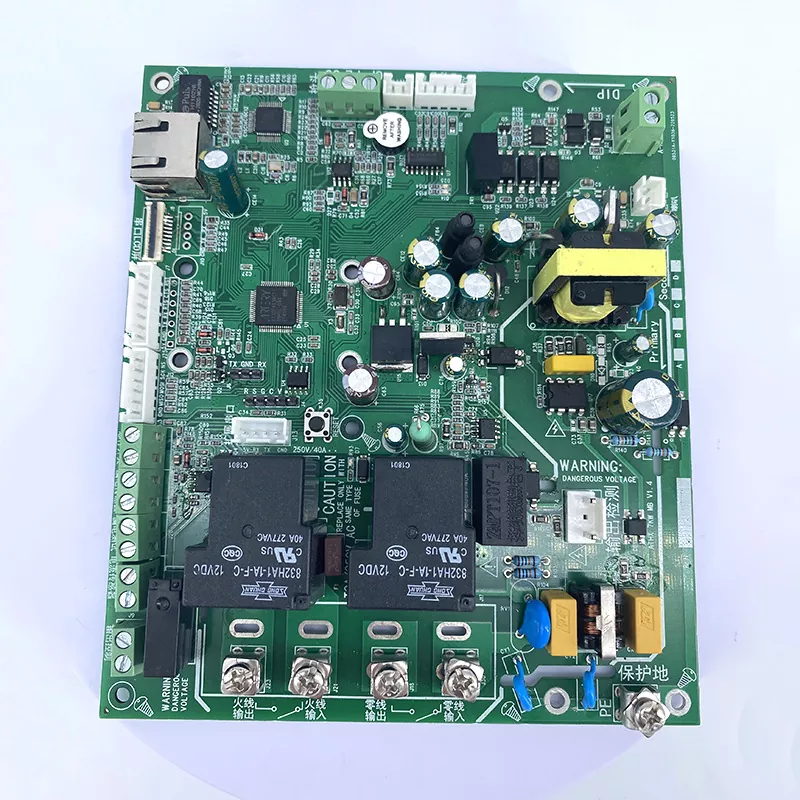
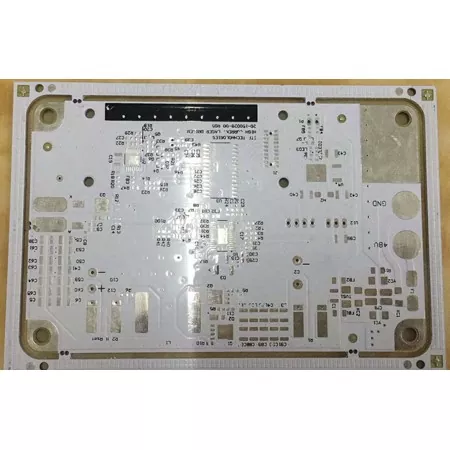
TV PCB refers to the bare printed circuit board without electronic components installed. TV PCBA refers to the assembled circuit board after components such as integrated circuits, resistors, capacitors, and connectors have been mounted and soldered onto the PCB.
Q8: How can I obtain a quotation for a customized TV PCB Board?
Prepare your Gerber files, bill of materials (if assembly is required), PCB specifications, estimated order quantity, and delivery requirements. The manufacturer can review the technical information and provide a quotation based on the project's manufacturing complexity and requirements.
10. Conclusion
A high-quality TV PCB Board is a critical component in modern television manufacturing. From stable power distribution and high-speed video transmission to intelligent connectivity and thermal management, every aspect of PCB design and production contributes to the final product's performance and reliability. Choosing the right materials, circuit structure, manufacturing technology, and quality inspection procedures can help electronics manufacturers reduce production risks and achieve consistent results.
Aisen provides customized PCB and PCBA manufacturing solutions backed by multilayer fabrication capabilities, HDI technology, engineering support, and comprehensive quality management. Whether you are developing an LED television, OLED display, smart TV, or other advanced electronic product, our team can help identify suitable manufacturing solutions for your project. If you are looking for an experienced TV PCB Board manufacturer and supplier, contact us today to discuss your technical specifications, request a customized quotation, and explore how Aisen can support your next television electronics project.
Related News
- How Can a Flow Rate And Dispensing Systems PCB Improve Fluid Measurement Accuracy and Equipment Reliability
- How Can an Electrical Muscle Stimulation Equipment PCB Improve Device Precision, Safety, and Reliability
- Is a Semiconductor Testing PCB the Weak Link in Your Test Setup
- How Can a Converter and Selector PCB Improve Electronic Control, Reliability, and Design Flexibility
- How Can Industrial Control Instruments PCB Improve Reliability, Signal Accuracy, and Long-Term Automation Performance
- Why Is an Electrical Measuring Instruments PCB Critical for Accurate and Reliable Measurement
Leave me a message
News Recommendations