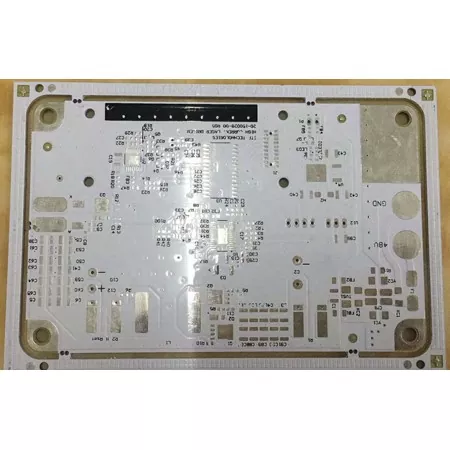
Wind Turbines PCB
When developing wind energy systems, reliable wind turbines pcb solutions are essential for ensuring stable operation under demanding outdoor environments. Shenzhen Aisen Electronics Co., Ltd. specializes in manufacturing high-reliability PCBs for wind turbine control systems, power management units, and monitoring equipment. Our PCB solutions are designed with advanced materials, precise manufacturing processes, and strict quality testing to support long-term performance in applications exposed to temperature changes, vibration, humidity, and continuous operation.
Wind turbines operate continuously in outdoor environments where electronic components must withstand vibration, temperature changes, humidity, and long-term electrical stress. The PCB inside a wind turbine control system is responsible for signal transmission, power management, monitoring functions, and communication between different control modules.
Shenzhen Aisen Electronics Co., Ltd. manufactures wind turbines PCB solutions designed for renewable energy applications, including turbine control units, power conversion systems, monitoring modules, and communication interfaces.
Unlike conventional electronic products, wind energy equipment requires PCBs with stable performance over years of operation. Our manufacturing process focuses on material selection, circuit reliability, thermal management, and electrical performance to support demanding renewable energy applications.
PCB Solutions Designed for Wind Turbine Control Systems
Wind turbine electronic systems usually operate in environments with high mechanical stress and variable weather conditions. Inside a turbine, PCBs may experience continuous vibration from rotating components, temperature fluctuations between day and night, and moisture exposure caused by outdoor installation.
For these applications, PCB reliability depends not only on circuit design but also on manufacturing quality and environmental protection.
Shenzhen Aisen Electronics Co., Ltd. provides customized PCB solutions for:
- Wind turbine control units
- Pitch and yaw control systems
- Power conversion equipment
- Sensor monitoring modules
- Energy management systems
- Communication control boards
Through engineering evaluation before production, we help optimize PCB structures according to voltage requirements, current load, operating temperature, and installation conditions.
High-Reliability PCB Manufacturing for Wind Energy Applications
Designed for Long-Term Outdoor Operation
Wind turbines are typically installed in remote locations where maintenance is difficult and costly. A PCB failure can lead to equipment downtime and increased service expenses.
To improve long-term reliability, wind turbine PCBs require proper material selection, surface protection, and manufacturing consistency.
Shenzhen Aisen Electronics Co., Ltd. supports PCB designs using high-performance materials and manufacturing processes suitable for applications requiring:
- Resistance to humidity and oxidation
- Improved thermal cycling performance
- Stable electrical insulation
- Reliable solder joint performance
These design considerations help electronic modules maintain stable operation throughout the turbine lifecycle.
Power Management PCB Capability for Wind Turbine Systems
Wind turbines involve complex power conversion processes, including voltage regulation, energy conversion, and grid connection control. These circuits often require PCBs capable of handling higher current loads and managing heat generated during operation.
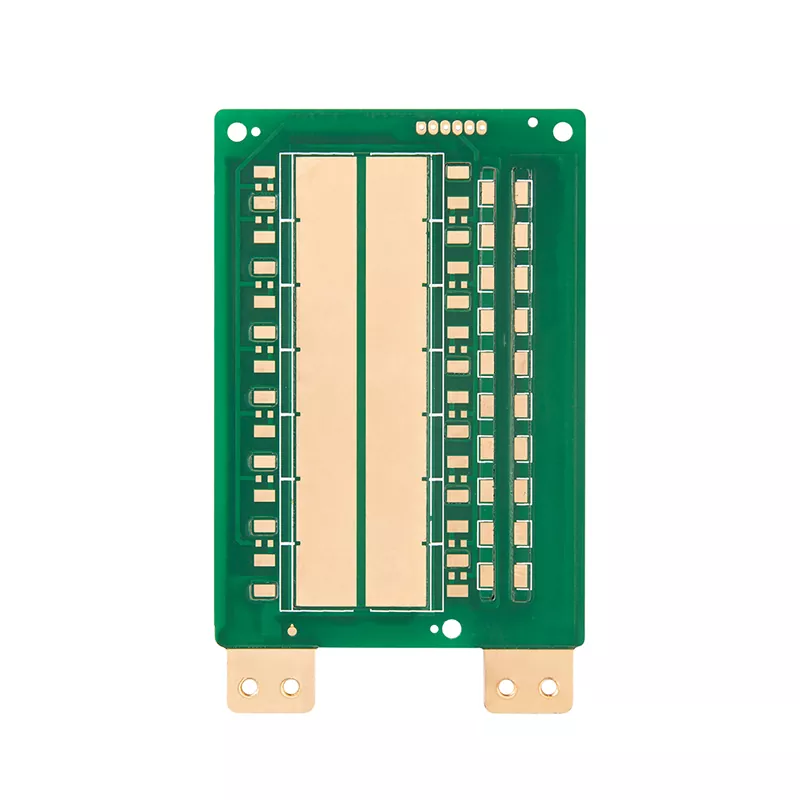
Shenzhen Aisen Electronics Co., Ltd. supports heavy copper PCB manufacturing with copper thickness up to 6 OZ. This technology improves current carrying capability and thermal performance for power-related applications.
For power electronics used in wind energy systems, PCB design factors such as copper distribution, thermal pathways, and component placement directly affect system reliability.
Advanced Manufacturing Capability
Multilayer PCB Technology for Complex Control Systems
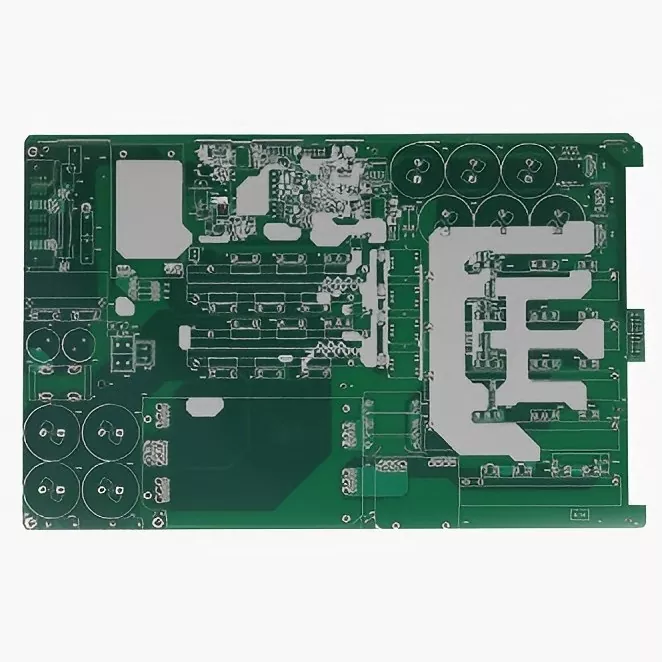
Modern wind turbines integrate multiple electronic systems, including sensors, controllers, communication modules, and power management circuits. These systems often require multilayer PCB designs to achieve compact layouts while maintaining signal integrity.
Shenzhen Aisen Electronics Co., Ltd. manufactures PCBs from 1 to 32 layers with controlled impedance capability.
Our manufacturing capability includes:
| Specification | Capability |
|---|---|
| Layer Count | 1-32 Layers |
| Minimum Line Width/Spacing | 3mil/3mil |
| Via Diameter | 0.1mm-0.2mm |
| Board Thickness | 0.3mm-5.0mm |
| Maximum Panel Size | 650mm × 750mm |
| Copper Thickness | Up to 6 OZ |
| Impedance Control | ±8% |
For wind turbine communication and control circuits, controlled impedance design helps maintain signal stability and reduce interference.
Surface Finishing Options for Wind Turbine PCB Applications
Surface finishing plays an important role in PCB durability, especially for electronic systems exposed to changing environmental conditions.
Shenzhen Aisen Electronics Co., Ltd. provides ENIG, OSP, immersion silver, immersion tin, and other surface treatment options.
For fine-pitch components used in control modules, ENIG provides good solderability and corrosion resistance. For applications requiring cost efficiency, other surface finishes can be selected according to production requirements.
The correct surface finish helps improve assembly reliability and extends PCB service life.
Quality Control Throughout PCB Production
Wind turbine electronics are expected to operate reliably for many years, which makes manufacturing consistency a key factor.
At Shenzhen Aisen Electronics Co., Ltd., quality control is integrated throughout the production process, from incoming material inspection to final electrical testing.
Multilayer PCB production includes multiple inspection stages such as AOI inspection, dimensional verification, electrical testing, and final quality evaluation.
Every PCB undergoes electrical testing before shipment to ensure circuit continuity and compliance with customer requirements.
Engineering Support for Wind Energy PCB Development
Developing PCBs for wind turbines requires more than manufacturing capability. Engineers need to consider environmental conditions, power requirements, and system integration challenges during the design stage.
Our engineering team provides support in areas including:
Power Circuit Optimization
For inverter circuits and energy conversion systems, proper copper layout and thermal design help improve current handling capability and reduce heat-related failures.
Signal Integrity Improvement
Wind turbines contain multiple sensors and communication modules. Optimized routing and impedance control help maintain accurate data transmission.
Environmental Reliability Design
For outdoor applications, engineers evaluate factors such as moisture protection, thermal cycling, and vibration resistance to improve product durability.
Prototype and Mass Production Support
Wind energy projects often require multiple development stages, from prototype validation to commercial production.
Shenzhen Aisen Electronics Co., Ltd. supports flexible production requirements, including prototype PCB manufacturing, small batch production, and large-volume manufacturing.
Typical production timelines include:
- Prototype samples: 2-3 days for standard double-sided boards
- Small batch production: 5-8 days
- Mass production: 8-10 days depending on complexity
Our team works with customers during the transition from initial design verification to stable production.
PCBA Assembly Services for Wind Energy Electronics
In addition to PCB fabrication, Shenzhen Aisen Electronics Co., Ltd. provides PCBA assembly services for renewable energy equipment.
Our capabilities include component sourcing, SMT assembly, through-hole assembly, and functional testing.
By combining PCB manufacturing and assembly services, customers can simplify supplier management and receive complete electronic solutions for wind energy applications.
Applications Beyond Wind Turbine Systems
Our PCB manufacturing experience also supports other industries requiring high reliability, including:
Energy storage systems, industrial power control equipment, automotive electronics, communication devices, and IoT monitoring systems.
These applications share similar requirements for electrical stability, environmental durability, and long operating cycles.
Frequently Asked Questions About Wind Turbines PCB
What type of PCB is used in wind turbines?
Wind turbines typically use multilayer PCBs for control systems, power conversion modules, sensor interfaces, and communication circuits. The PCB design depends on voltage requirements, current load, and environmental conditions.
Why do wind turbine PCBs require high reliability?
Wind turbines operate continuously in outdoor environments where maintenance is difficult. Reliable PCB manufacturing helps reduce equipment downtime and improve system availability.
What PCB features are important for wind energy applications?
Important factors include thermal management, vibration resistance, moisture protection, copper thickness, signal integrity, and manufacturing consistency.
Can you manufacture customized wind turbine PCBs?
Yes. Shenzhen Aisen Electronics Co., Ltd. provides customized PCB manufacturing services from prototype development to mass production according to customer specifications.
Do wind turbine PCBs require special surface treatment?
Surface treatment depends on the application. ENIG is commonly selected for control boards because of its corrosion resistance and good soldering performance.
Customized Wind Turbines PCB Solutions from Shenzhen Aisen Electronics Co., Ltd.
Reliable electronic control systems are essential for modern wind energy equipment. Shenzhen Aisen Electronics Co., Ltd. provides customized wind turbines PCB manufacturing solutions designed for renewable energy applications requiring stable performance and long service life.
From PCB design support and material selection to manufacturing and testing, we help customers develop electronic systems that perform reliably in demanding wind energy environments.
Contact us for your wind turbine PCB requirements.
Email: violet@akesonpcb.com
Hot Tags: Wind Turbines PCB Manufacturer, Wind Turbine Controller Board Supplier, Custom Wind Turbine PCBs
Send Inquiry
Contact Info
-
Address
3D4B QiLinXinCun.QiLinYajiu songguang Bao’an Dist, Shenzhen Guangdong Province, China
-
Tel
-
E-mail
Contact Aisen Electronics for PCB and PCBA projects. Our engineering team provides customized solutions, fast response, and reliable manufacturing support.