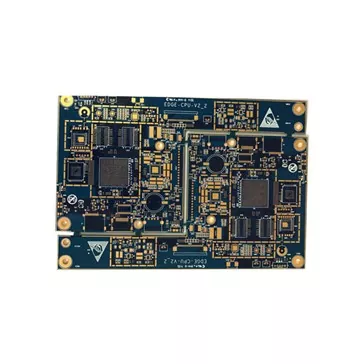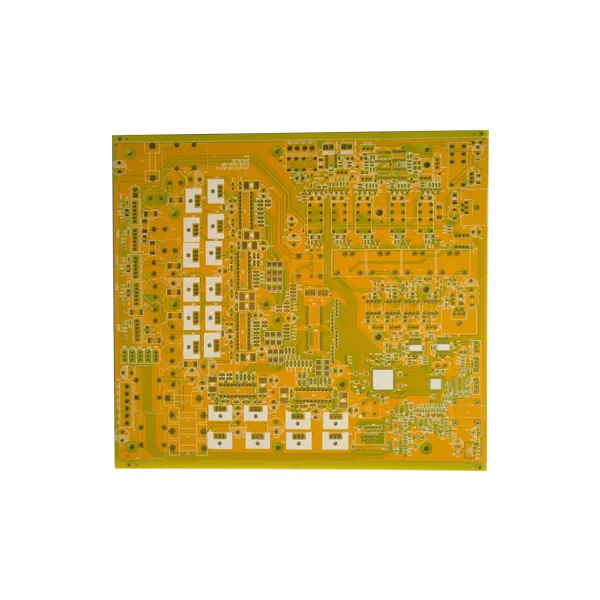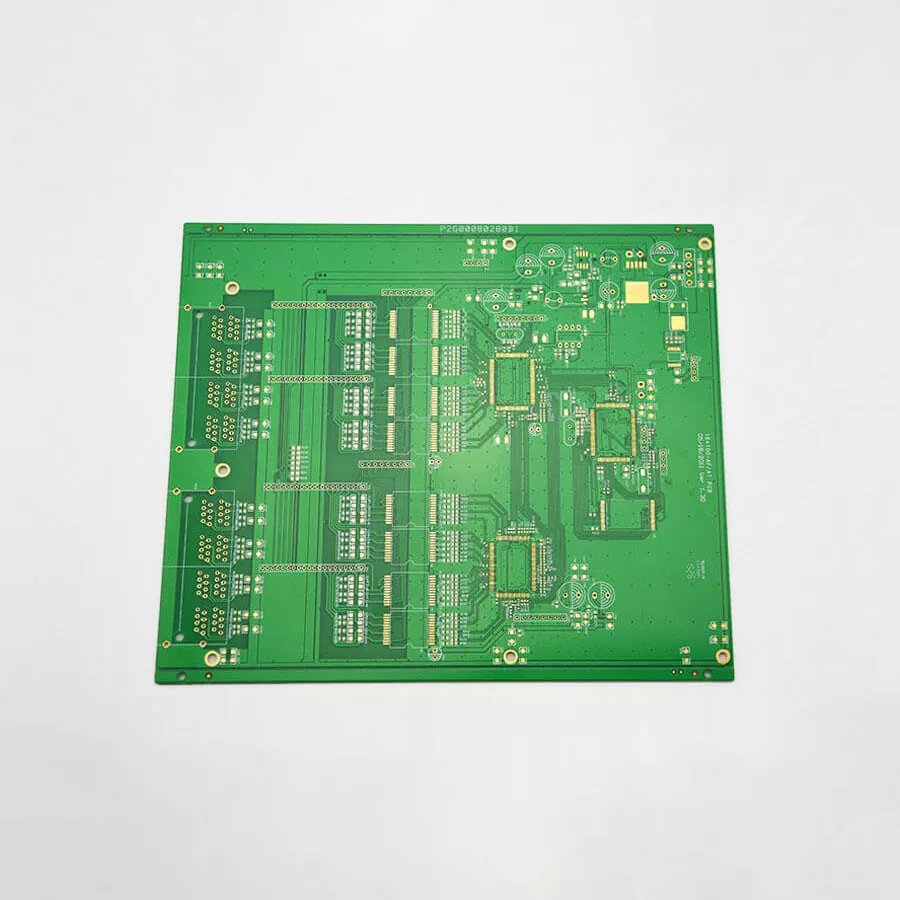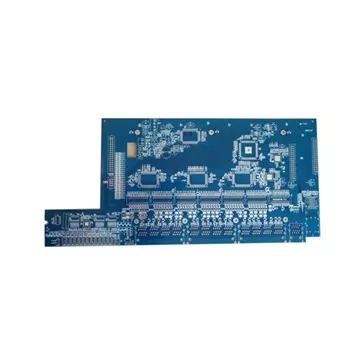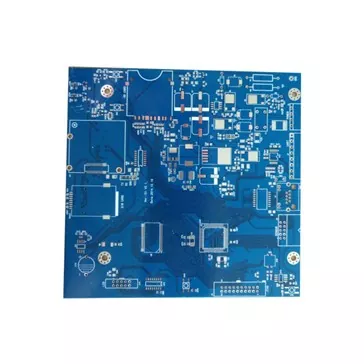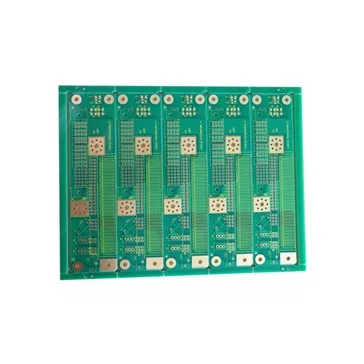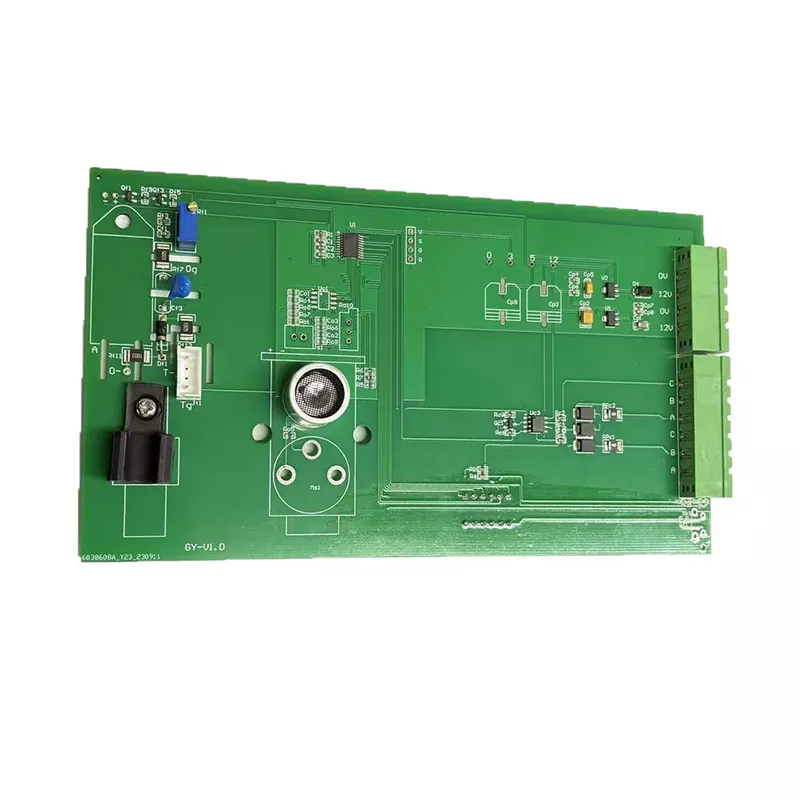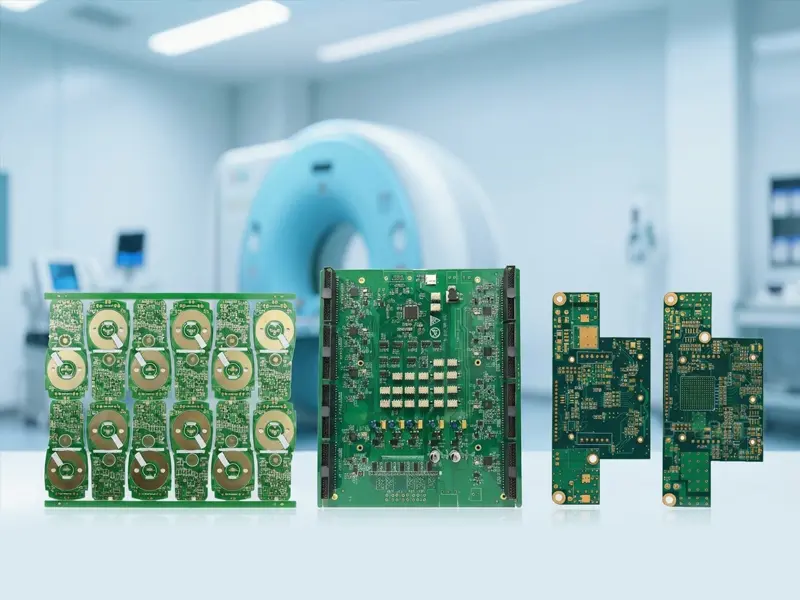

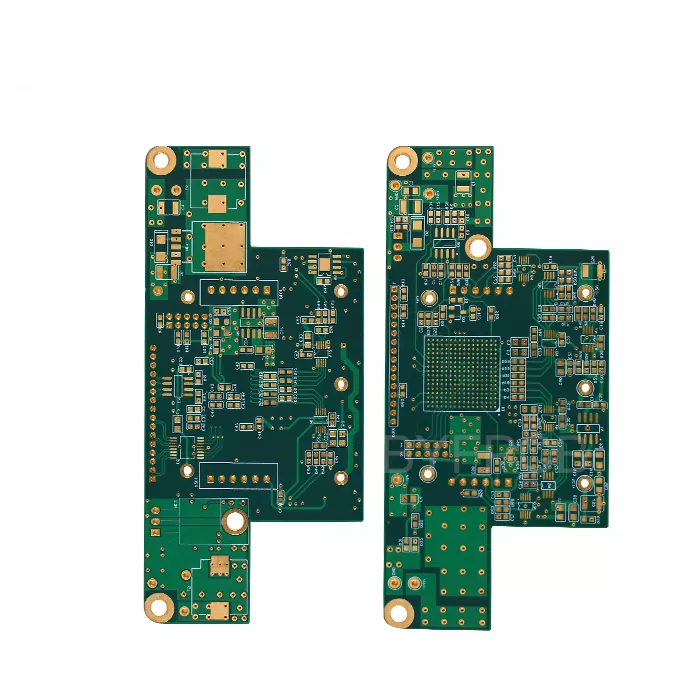
Infusion Fluid Controls PCB Board
Aisen Electronics Co., Ltd. manufactures Infusion Fluid Controls PCB Board, supporting accurate motor control, sensor feedback, alarm circuits, and power management in medical infusion equipment. Our multi-layer PCB solutions are designed for stable signal transmission, compact device integration, and consistent performance in long-duration medical applications.
Infusion equipment relies on electronic control systems to regulate fluid delivery and monitor operating conditions. The Infusion Fluid Controls PCB Board is responsible for coordinating multiple functions, including pump motor operation, sensor feedback, user interface communication, and safety monitoring.
Unlike general electronic circuit boards, infusion control PCBs need to maintain accurate signal processing while operating together with motors, sensors, and power circuits. Any instability in signal transmission or power supply may affect the accuracy of fluid control.
Aisen Electronics Co., Ltd. provides customized PCB manufacturing services for infusion equipment manufacturers, supporting both prototype development and production requirements. Our engineering team focuses on PCB structures that match the electrical and mechanical requirements of medical fluid control applications.
PCB Design for Motor Control and Sensor Feedback
The control accuracy of an infusion system depends heavily on the interaction between the PCB, motor driver, and detection sensors. The circuit board needs to deliver stable signals between the control unit and mechanical components while minimizing interference from power switching and motor operation.
For infusion fluid control applications, PCB design usually requires careful consideration of circuit separation, signal routing, grounding structure, and component placement. Aisen Electronics works with customers to evaluate PCB layouts and manufacturing requirements, helping improve production feasibility before fabrication.
Signal Stability in Compact Medical Electronic Devices
Modern infusion equipment often integrates multiple electronic functions into a limited internal space. The Infusion Fluid Controls PCB Board must accommodate processing circuits, communication modules, power sections, and sensor interfaces without affecting signal quality.
A well-designed layer structure helps separate sensitive signal paths from power circuits and reduces potential interference during operation. Aisen Electronics supports multi-layer PCB fabrication with controlled impedance capability for applications where stable electrical performance is required.
Multi-Layer PCB Manufacturing for Infusion Equipment
Infusion control systems commonly require multi-layer circuit boards because different functional circuits need dedicated routing space. Power circuits, control signals, and communication lines can be arranged through optimized layer structures to improve electrical performance and manufacturing consistency.
Aisen Electronics provides PCB fabrication from simple single-layer boards to complex multi-layer designs. Our manufacturing capability supports high-density layouts used in medical electronic equipment.
| PCB Specification | Manufacturing Capability |
|---|---|
| Layer Count | 1-32 Layers |
| Board Thickness | 0.3mm-5.0mm |
| Minimum Line Width/Spacing | 0.076mm |
| Minimum Via Size | 0.1mm |
| Copper Thickness | Up to 6 OZ |
| Impedance Control | ±8% |
The suitable PCB structure depends on factors such as circuit complexity, component density, power requirements, and installation space.
PCB Assembly Support for Infusion Control Devices
For medical equipment manufacturers, PCB production often involves both bare board fabrication and electronic assembly. Aisen Electronics provides PCBA services to support the complete manufacturing process.
Our assembly capabilities include SMT placement, through-hole component assembly, component sourcing support, and electrical testing. By combining PCB fabrication and assembly services, customers can reduce coordination between multiple suppliers during product development and production.
Quality Control During Infusion PCB Production
Consistency is important for medical electronic products because PCB performance depends on every stage of manufacturing, from material preparation to final inspection.
Aisen Electronics monitors key production processes including material inspection, inner layer processing, lamination, drilling, copper plating, solder mask application, and surface finishing.
Before shipment, finished boards undergo inspection procedures such as AOI inspection, electrical testing, and final visual verification. Manufacturing records are maintained to support production tracking and quality management.
Surface Treatment Selection
The surface finish of a PCB affects soldering performance, component connection reliability, and long-term storage stability.
Aisen Electronics provides different surface treatment options according to customer application requirements. ENIG is commonly selected for fine-pitch components because it provides a flat surface suitable for precision assembly. OSP can be used for standard applications where cost efficiency is important, while hard gold is suitable for connector areas requiring repeated contact.
Surface finish selection is evaluated according to PCB design, assembly method, and expected operating conditions.
Engineering Support
A PCB design that performs correctly in testing may still encounter manufacturing challenges during mass production. Issues related to component spacing, routing density, assembly process, or material selection can affect production efficiency.
Aisen Electronics provides engineering support during product development, including PCB manufacturability review, stack-up evaluation, and production preparation analysis.
By identifying potential manufacturing risks before production, customers can improve design stability and shorten the transition from prototype to volume manufacturing.
Applications
Aisen Electronics manufactures PCB solutions for electronic systems used in:
- Medical infusion pumps
- Drug delivery equipment
- Fluid monitoring devices
- Laboratory liquid control systems
- Medical electronic control units
Different applications require different PCB structures based on control functions, operating environment, and product design requirements.
Frequently Asked Questions
What is the main function of an infusion control PCB?
An infusion control PCB manages communication between the control processor, motor drive system, sensors, and alarm circuits. It helps the equipment maintain accurate fluid delivery and monitor operating status.
What PCB technology is commonly used for infusion equipment?
Multi-layer PCB technology is commonly used because infusion devices require multiple circuit functions within a compact space. Layer structures help separate power circuits, control signals, and sensitive sensor lines.
Can Aisen Electronics manufacture customized infusion PCB boards?
Yes. Aisen Electronics provides customized PCB manufacturing based on customer Gerber files, drawings, specifications, and assembly requirements.
Does Aisen Electronics provide PCB assembly services?
Yes. We provide PCB assembly services including SMT assembly, through-hole assembly, component sourcing, and production testing support.
How does Aisen Electronics control PCB production quality?
Quality control is performed throughout the manufacturing process, including incoming material inspection, process monitoring, AOI inspection, electrical testing, and final verification before shipment.
Hot Tags: Infusion Fluid Controls PCB Board, Infusion Pump PCB Manufacturer, Medical PCB Supplier
Send Inquiry
Contact Info
-
Address
3D4B QiLinXinCun.QiLinYajiu songguang Bao’an Dist, Shenzhen Guangdong Province, China
-
Tel
-
E-mail
Contact Aisen Electronics for PCB and PCBA projects. Our engineering team provides customized solutions, fast response, and reliable manufacturing support.