
How Does Aerospace PCB and PCBA Improve Reliability in Advanced Aviation Systems?
Article Summary
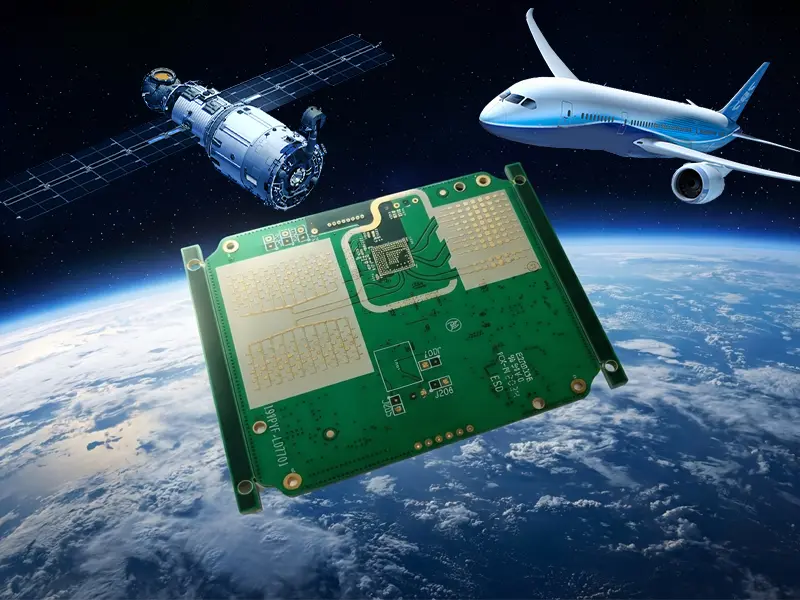
Aerospace electronics operate in some of the most demanding environments, where extreme temperatures, vibration, radiation exposure, and strict safety requirements can affect system performance. Aerospace PCB and PCBA solutions are designed to provide stable electrical performance, high durability, and precise signal transmission for aircraft, satellites, defense equipment, and other aerospace applications.
This article explains how Aerospace PCB and PCBA technologies solve critical engineering challenges, what design factors influence performance, how manufacturers ensure reliability, and why choosing an experienced supplier such as Aisen Electronics Co., Ltd. can help aerospace companies achieve dependable electronic solutions.
Table of Contents
- 1. What Are Aerospace PCB and PCBA Solutions?
- 2. What Challenges Do Aerospace Electronics Face?
- 3. How Are Aerospace PCB and PCBA Designed for Reliability?
- 4. Which Materials Are Used in Aerospace PCB Manufacturing?
- 5. How Does Manufacturing Quality Affect Aerospace PCB and PCBA Performance?
- 6. Where Are Aerospace PCB and PCBA Used?
- 7. Why Choose Professional Aerospace PCB and PCBA Manufacturers?
- 8. Frequently Asked Questions About Aerospace PCB and PCBA
1. What Are Aerospace PCB and PCBA Solutions?
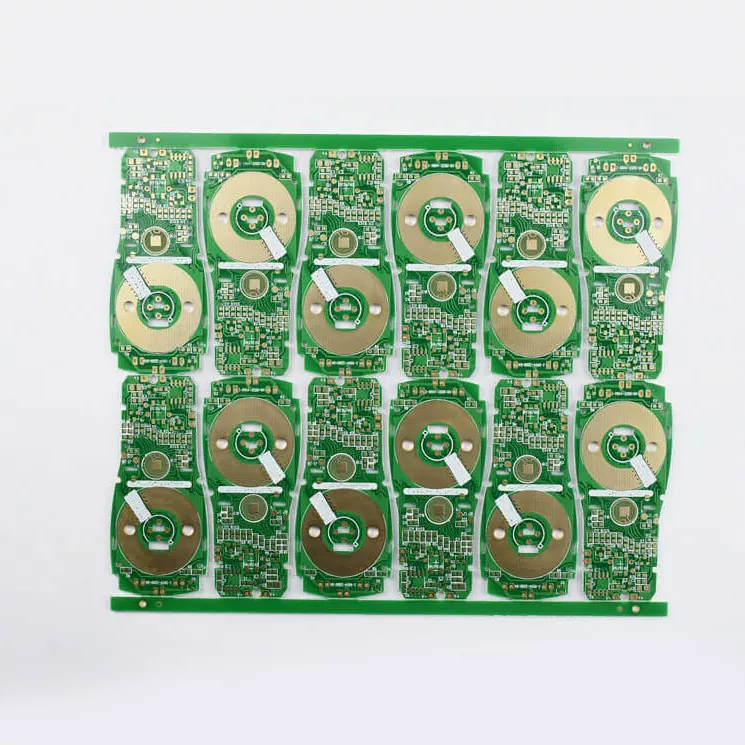
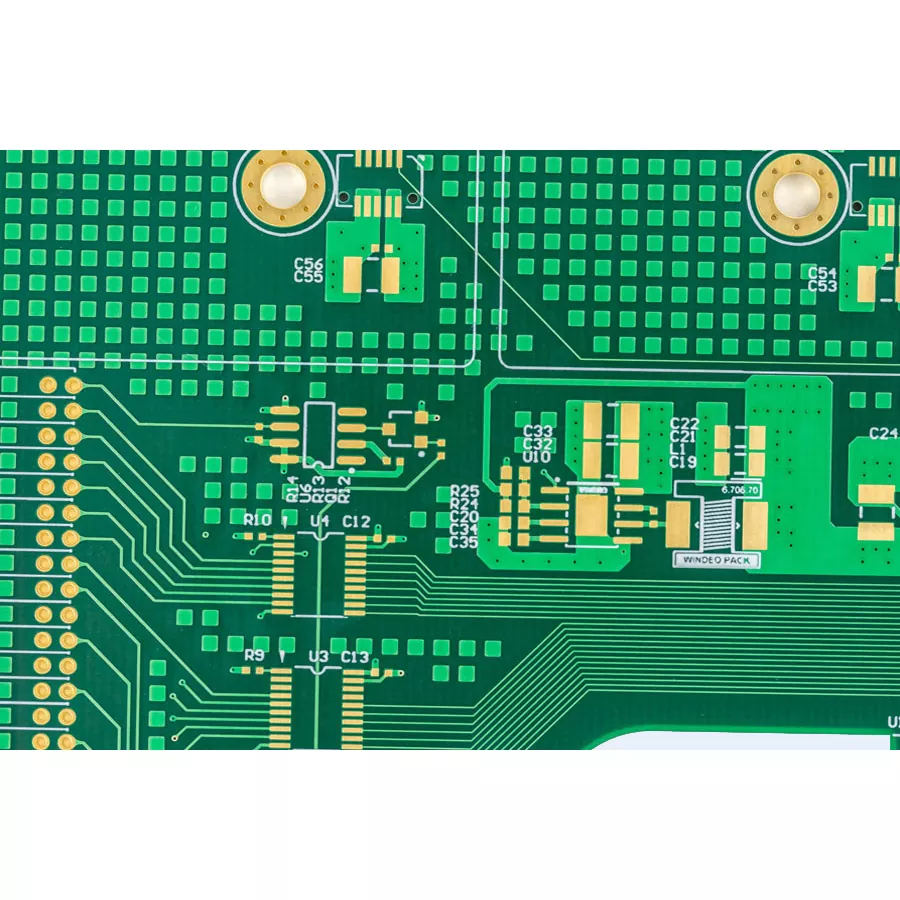
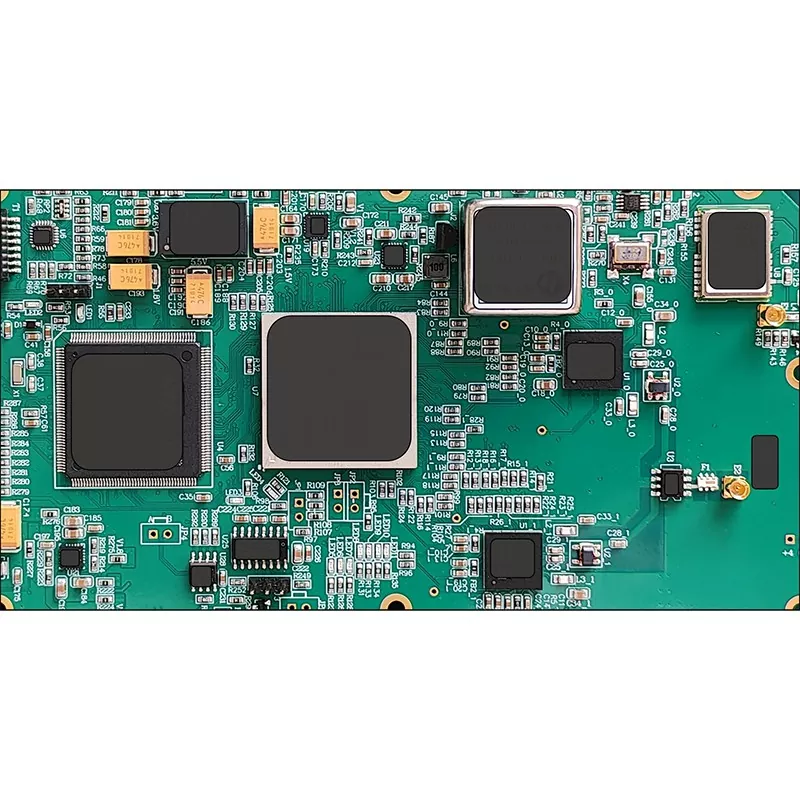
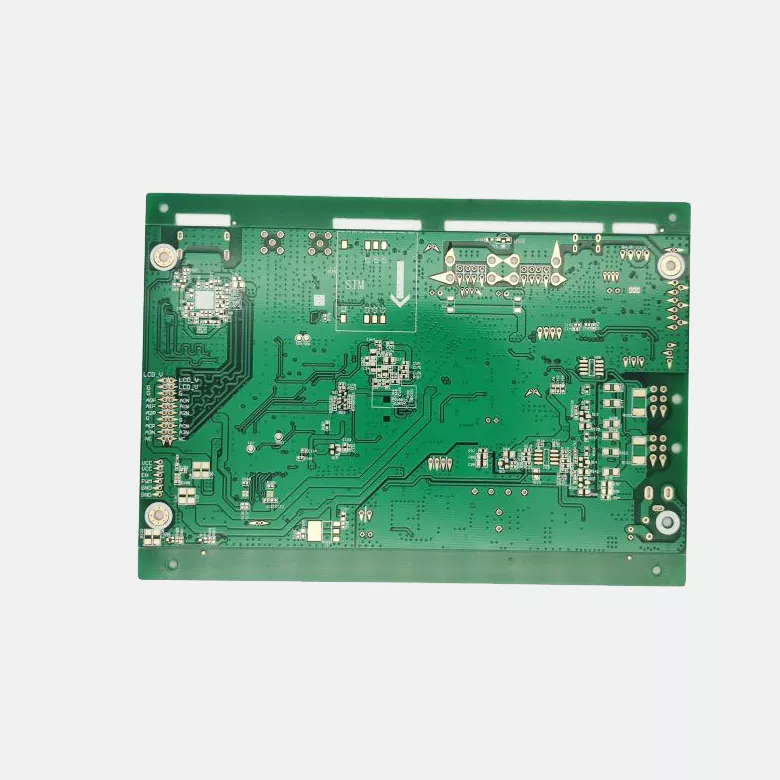
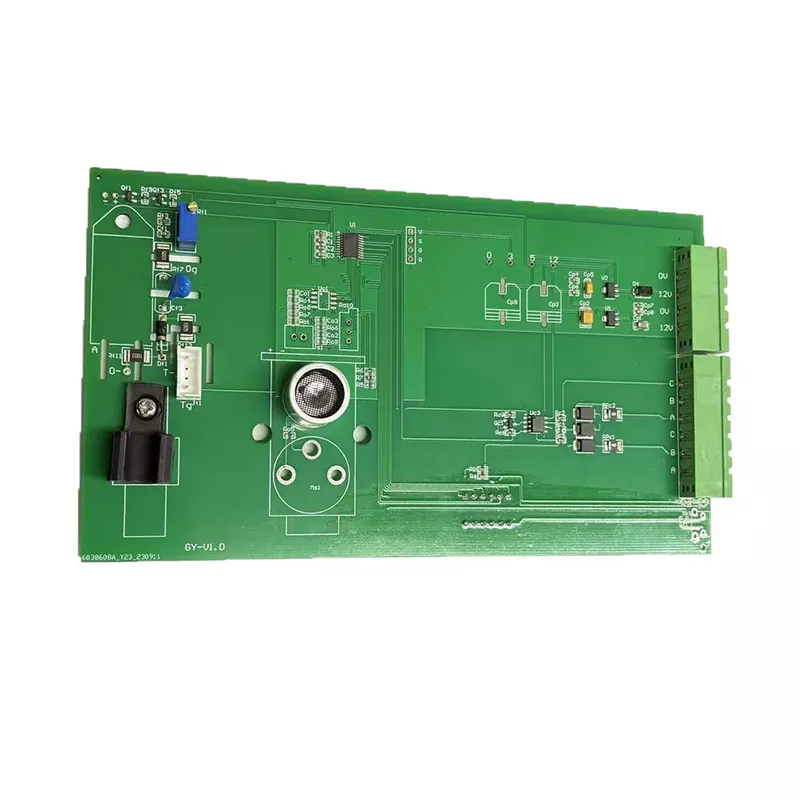
Aerospace PCB refers to printed circuit boards specifically engineered for aerospace electronic systems, while Aerospace PCBA refers to the completed assembly process where electronic components are mounted, soldered, tested, and integrated onto the circuit board.
Unlike standard commercial circuit boards, aerospace-grade PCB and PCBA products must meet much higher requirements for durability, precision, and operational stability. These electronic assemblies are responsible for controlling critical functions, including navigation, communication, flight control, monitoring systems, and power management.
Aerospace applications require electronic components that can maintain performance over long operational periods without failure. A minor electronic malfunction in aviation or space equipment can result in significant safety risks, making PCB and PCBA quality a key factor in aerospace engineering.
Key features of Aerospace PCB and PCBA include:
- High mechanical strength and vibration resistance
- Excellent thermal management capability
- Reliable signal integrity for complex circuits
- Resistance to harsh environmental conditions
- Strict manufacturing and testing standards
2. What Challenges Do Aerospace Electronics Face?
Aerospace electronic systems must work reliably under conditions that are far more challenging than ordinary industrial environments. Engineers need PCB and PCBA solutions that can overcome multiple performance obstacles.
| Challenge | Impact on Electronics | Required Solution |
|---|---|---|
| Extreme Temperature Changes | Can cause material expansion, contraction, and component stress | Thermally stable PCB materials and advanced heat management |
| Continuous Vibration | May loosen connections and damage solder joints | Strong mechanical design and reliable assembly processes |
| Radiation Exposure | Can affect electronic component performance | Radiation-resistant materials and protective design |
| Weight Restrictions | Excess weight reduces aircraft efficiency | Lightweight PCB structures with optimized layouts |
Solving these challenges requires a combination of advanced materials, accurate manufacturing processes, and professional engineering expertise.
3. How Are Aerospace PCB and PCBA Designed for Reliability?
The design stage determines the long-term reliability of Aerospace PCB and PCBA products. Engineers must carefully consider electrical performance, mechanical structure, environmental conditions, and future maintenance requirements.
Aerospace PCB design usually focuses on several important factors:
- Signal Integrity: High-speed aerospace communication systems require accurate signal transmission. Proper trace routing, impedance control, and layer design help prevent signal loss and interference.
- Thermal Management: Aerospace electronics often operate in limited cooling environments. Designers use heat dissipation techniques to maintain stable operating temperatures.
- Miniaturization: Aircraft and spacecraft require lightweight solutions. Advanced PCB designs maximize functionality while reducing size and weight.
- Reliability Design: Redundant circuits, strong connections, and protective structures improve system safety.
A professional manufacturer evaluates every design detail before production to ensure the final Aerospace PCB and PCBA solution meets application requirements.
4. Which Materials Are Used in Aerospace PCB Manufacturing?
Material selection directly affects the performance and lifespan of aerospace circuit boards. Aerospace PCB manufacturers typically choose materials with excellent electrical, thermal, and mechanical properties.
- High-temperature laminates: Designed to maintain stability under temperature fluctuations.
- Low-loss dielectric materials: Support high-frequency signal transmission.
- Metal core materials: Improve heat dissipation in power-intensive applications.
- High-strength copper layers: Provide reliable current carrying capability.
- Protective coatings: Prevent moisture, corrosion, and environmental damage.
Selecting the correct materials allows Aerospace PCB and PCBA products to maintain consistent performance throughout long-term operation.
5. How Does Manufacturing Quality Affect Aerospace PCB and PCBA Performance?
Manufacturing precision is one of the most important factors influencing aerospace electronic reliability. Even a small production defect can affect system stability in critical applications.
A reliable aerospace PCB manufacturing process usually includes:
- Engineering Review: Checking PCB designs for manufacturability and performance requirements.
- Precision Fabrication: Using advanced equipment to achieve accurate circuit patterns and layer alignment.
- Component Assembly: Applying professional SMT and through-hole assembly techniques.
- Inspection and Testing: Performing electrical tests, automated optical inspection, and functional verification.
- Quality Control: Ensuring every finished product meets customer specifications.
Aisen Electronics Co., Ltd. focuses on providing reliable PCB and PCBA manufacturing solutions by combining professional engineering support, advanced production capabilities, and strict quality management.
6. Where Are Aerospace PCB and PCBA Used?
Aerospace PCB and PCBA products support many critical systems across aviation, space exploration, and defense industries.
- Aircraft Control Systems: Used for flight management, monitoring, and communication functions.
- Satellite Electronics: Support power systems, data transmission, and onboard control.
- Navigation Equipment: Enable accurate positioning and guidance operations.
- Radar and Communication Systems: Provide stable high-frequency signal processing.
- Unmanned Aerial Vehicles: Support intelligent control and autonomous operation.
- Defense Electronics: Deliver reliable performance in demanding environments.
7. Why Choose Professional Aerospace PCB and PCBA Manufacturers?
Choosing the right supplier is essential because aerospace electronic systems require long-term reliability and strict quality control. An experienced manufacturer can provide technical support from initial design to final production.
The advantages of working with a professional Aerospace PCB and PCBA supplier include:
- Advanced manufacturing technology
- Experienced engineering teams
- Customized PCB and PCBA solutions
- Reliable quality inspection procedures
- Support for complex aerospace applications
- Consistent production capability for long-term projects
Aisen Electronics Co., Ltd. understands the strict requirements of aerospace industries and provides customized electronic manufacturing solutions designed for demanding applications.
8. Frequently Asked Questions About Aerospace PCB and PCBA
Q1: What makes Aerospace PCB different from standard PCB?
Aerospace PCB products require higher reliability, stronger environmental resistance, and more precise manufacturing compared with ordinary circuit boards. They are designed for applications where electronic failure is unacceptable.
Q2: What testing is required for Aerospace PCBA?
Aerospace PCBA testing may include electrical testing, visual inspection, solder quality inspection, thermal evaluation, and functional verification to ensure stable operation.
Q3: Can Aerospace PCB and PCBA be customized?
Yes. Aerospace PCB and PCBA solutions can be customized according to circuit complexity, size limitations, operating environment, and system requirements.
Q4: Why is material selection important for aerospace circuit boards?
Proper materials help improve temperature resistance, signal performance, mechanical strength, and overall service life in challenging aerospace environments.
Q5: How can companies select a reliable Aerospace PCB supplier?
Companies should evaluate manufacturing experience, technical capabilities, quality management systems, production equipment, and customer support before selecting a supplier.
Conclusion
Aerospace PCB and PCBA solutions play an essential role in modern aviation and space technology. From flight control systems to satellite electronics, reliable circuit assemblies ensure stable operation in environments where performance and safety are critical.
With advanced manufacturing capabilities and professional engineering experience, Aisen Electronics Co., Ltd. provides dependable Aerospace PCB and PCBA solutions designed to meet complex application requirements. For customized aerospace electronic solutions and professional support, please contact us today.
Related News
- How Medical Electronics PCB and PCBA Improve the Reliability of Modern Healthcare Devices
- Set a new benchmark for high-end PCB manufacturing
- Medical electronic PCB/PCBA industry trends
- The meticulous manufacturing journey from design to production
- Breakthroughs in Aerospace PCB Technology and Market Expansion
Leave me a message