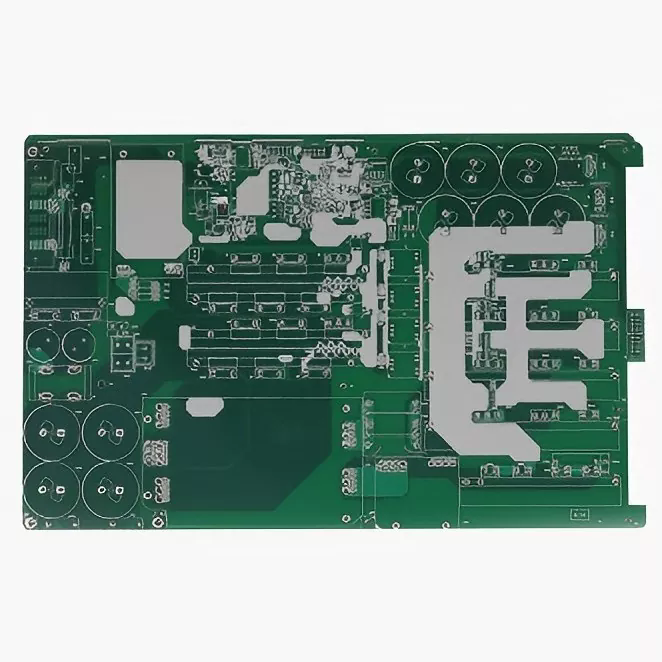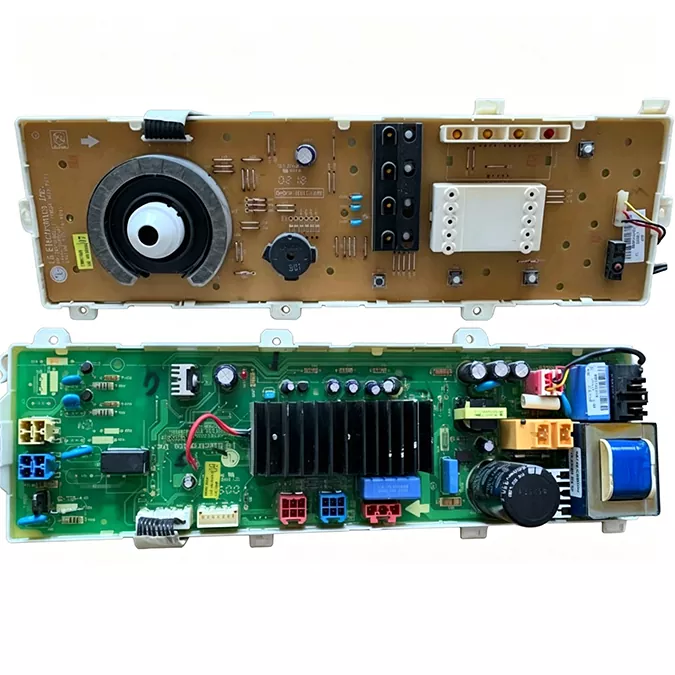

What Makes a High-Quality Dryer PCB Assembly Critical for Modern Appliance Performance
When appliance manufacturers and service providers need reliable control solutions, the first question often comes down to the quality of the electronics inside the machine. At Aisen, we specialize in dryer PCB assembly — a core component that determines how safely and efficiently a dryer operates. In this blog, we will explore what dryer PCB assembly is, why it matters, how it is produced, which types exist, and when you should pay extra attention to your sourcing strategy. This guide is designed for engineers, procurement teams, and product managers who want to make informed decisions about dryer control electronics.
Table of Contents
- What Is Dryer PCB Assembly?
- Why Dryer PCB Assembly Matters for Appliance Reliability
- How Dryer PCB Assembly Is Produced
- Which Types of Dryer PCB Assembly Exist?
- When Should You Review Your Dryer PCB Assembly?
- Key Specifications Table
- Frequently Asked Questions
- Final Thoughts and Contact Us
What Is Dryer PCB Assembly?
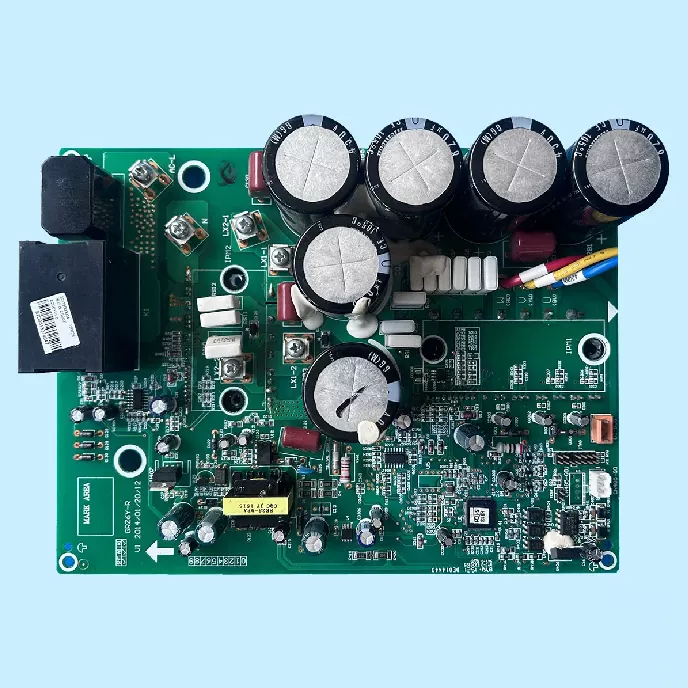
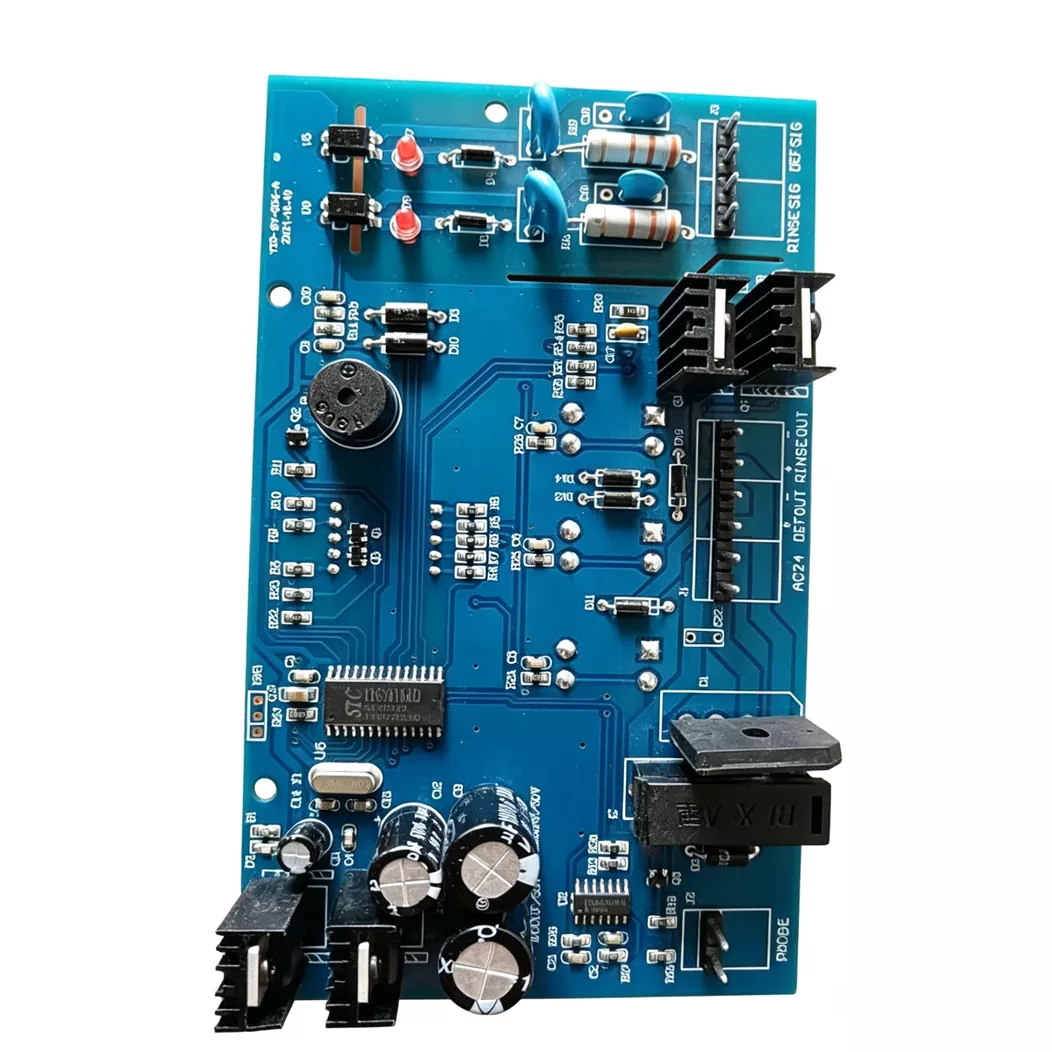
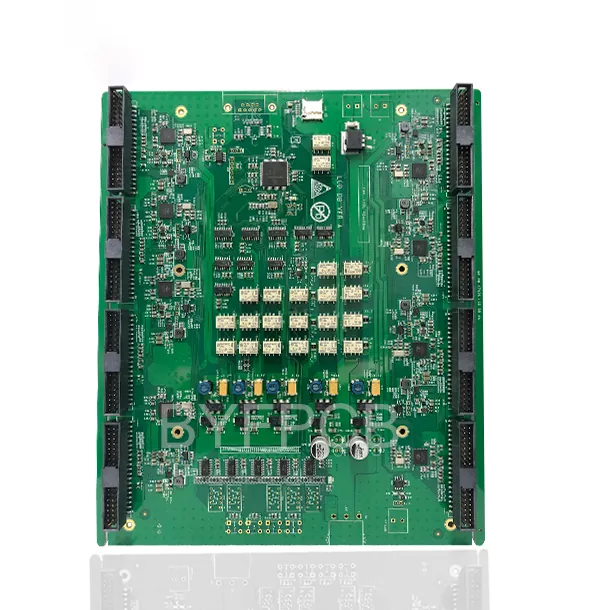
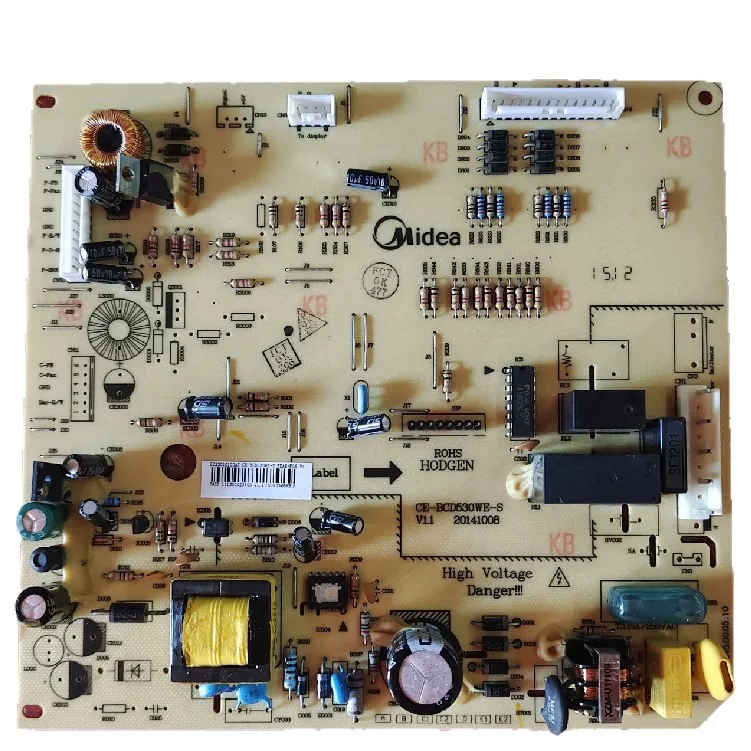
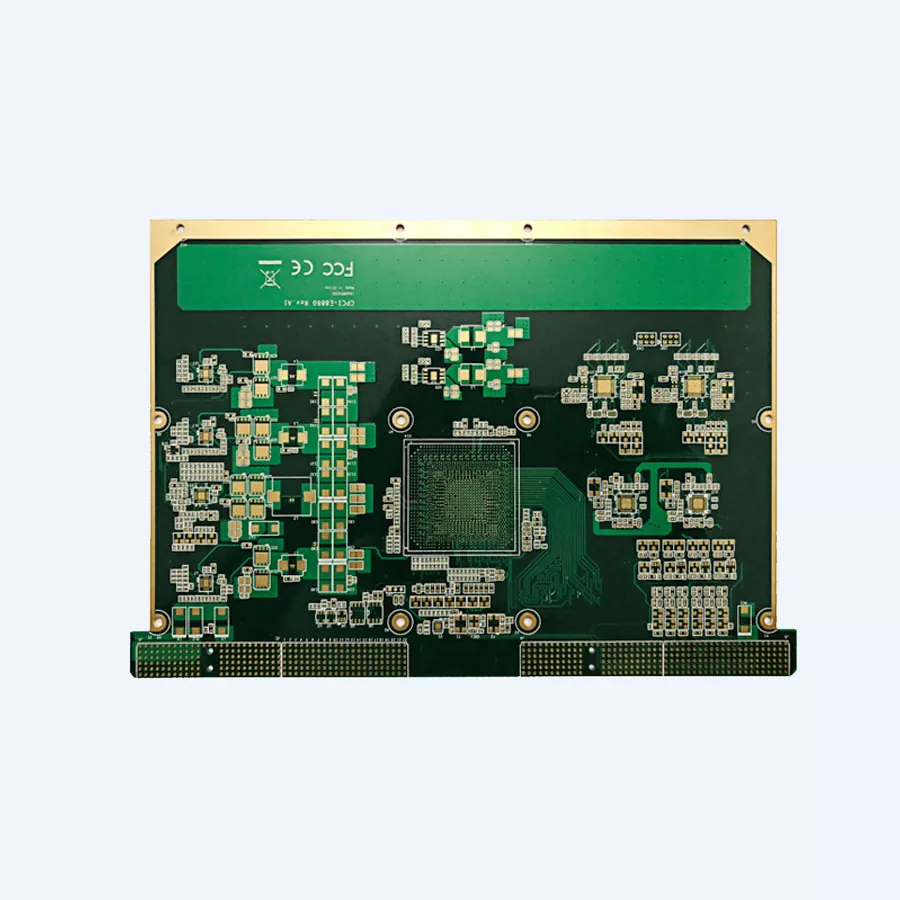
Dryer PCB assembly refers to the complete printed circuit board assembly used in tumble dryers, cabinet dryers, and other laundry drying equipment. It typically includes the bare PCB, microcontrollers, relays, sensors, connectors, and power components that control heating, motor operation, moisture sensing, and safety functions. At Aisen, our dryer PCB assembly services cover design support, component sourcing, SMT and through-hole assembly, testing, and conformal coating when required.
The assembly is not just a generic circuit board. It must withstand heat, humidity, vibration, and electrical noise — conditions that are common in laundry environments. A well-designed dryer PCB assembly therefore combines robust layout, high-quality components, and strict process control. To learn more about our capabilities, you can review our dryer PCB assembly page for an overview of our factory services.
Why Dryer PCB Assembly Matters for Appliance Reliability
The control board is often called the “brain” of the dryer. If the PCB assembly fails, the appliance may stop heating, fail to start, or present safety risks. A high-quality dryer PCB assembly matters for three main reasons:
- Safety: Proper isolation, creepage distance, and thermal design reduce the risk of overheating and electrical faults.
- Durability: Conformal coating, high-temperature solder, and stress-tested components extend product life in humid and high-vibration environments.
- Energy efficiency: Accurate sensing and control logic help maintain optimal drying cycles, reducing energy waste.
For OEMs and aftermarket brands, the quality of the PCB assembly also affects warranty costs and brand reputation. A single batch of unreliable boards can lead to high return rates. This is why working with an experienced PCBA partner such as Aisen is a strategic decision, not just a purchasing choice.
How Dryer PCB Assembly Is Produced
Producing a dryer PCB assembly involves several controlled stages. Below is a simplified overview of how Aisen approaches the process:
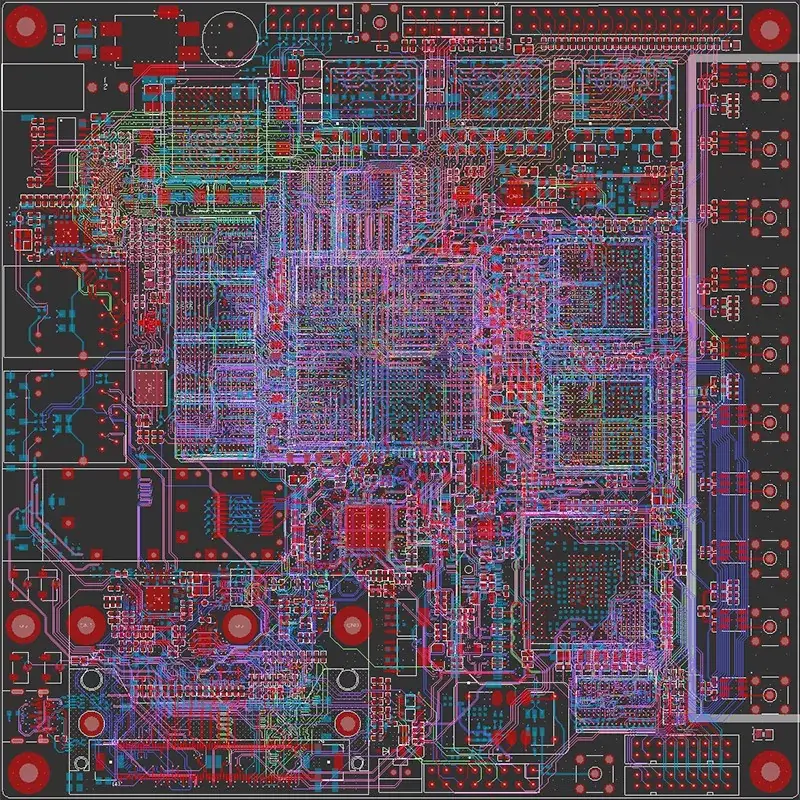
- Design review and DFM analysis: We check layout, component placement, and thermal performance before production.
- Component sourcing: We source approved components with traceability and long-term availability in mind.
- SMT and through-hole assembly: Automated placement and soldering are followed by inspection and rework if needed.
- Functional testing: Boards are tested for power-up, signal integrity, and load behavior under simulated dryer conditions.
- Protective coating and final inspection: Conformal coating is applied when required, followed by final visual and electrical checks.
Each stage is documented and can be adapted to customer-specific requirements, including IPC standards, testing protocols, and packaging needs. If you need a tailored process flow, our engineering team can support you from prototype to mass production.
Which Types of Dryer PCB Assembly Exist?
Dryer PCB assemblies vary by appliance type, control architecture, and market requirements. Common categories include:
- Residential tumble dryer control boards: Typically include motor control, heating element relays, and moisture sensor inputs.
- Condenser and heat-pump dryer boards: More complex, with inverter drives, temperature sensors, and communication interfaces.
- Commercial and industrial dryer boards: Designed for higher loads, longer duty cycles, and more robust safety circuits.
- Aftermarket and replacement boards: Often developed for compatibility with multiple models and cost-sensitive segments.
Choosing the right type depends on your product roadmap, target market, and certification requirements. Aisen can help you compare options and select the most suitable assembly approach for your dryer platform.
When Should You Review Your Dryer PCB Assembly?
There are several situations in which reviewing or redesigning your dryer PCB assembly is advisable. Consider a review when:
- You are launching a new dryer model or refreshing an existing platform.
- Your current supplier has delivery delays, quality issues, or component obsolescence problems.
- You are entering a new market with different voltage, safety, or certification requirements.
- Field failures or warranty returns point to control board reliability issues.
Early review can prevent costly redesigns later. At Aisen, we often work with customers during the concept phase to align PCB assembly design with manufacturing feasibility and cost targets.
Key Specifications Table
The following table summarizes typical specification considerations for dryer PCB assembly projects. Actual requirements vary by appliance design and destination market.
| Specification Area | Typical Consideration | Why It Matters |
|---|---|---|
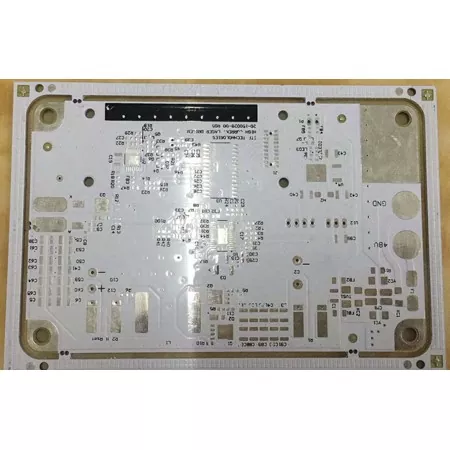
| Board material | FR-4, high-Tg FR-4, or metal-core PCB for heat dissipation | Thermal stability and mechanical strength in high-temperature environments |
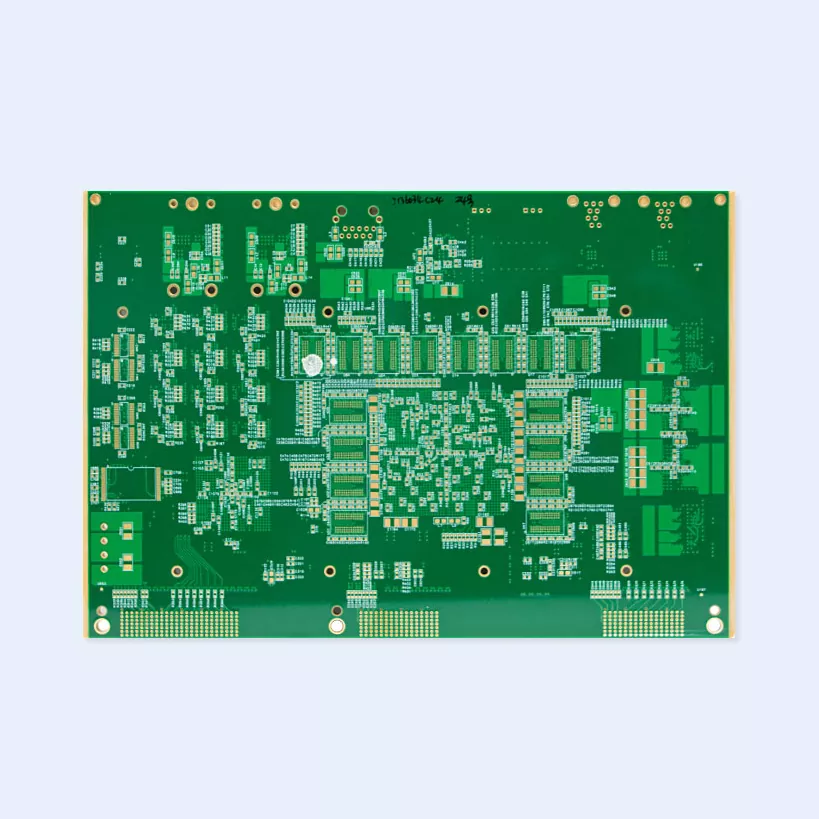
| Layer count | 2 to 6 layers depending on control complexity | Routing density, signal integrity, and EMI control |
| Surface finish | HASL, ENIG, or OSP | Solderability, corrosion resistance, and shelf life |
| Assembly method | SMT, through-hole, or mixed technology | Component type, production volume, and cost balance |
| Testing | ICT, FCT, and burn-in testing | Ensures functional reliability and reduces field failures |
| Protective coating | Conformal coating or potting | Moisture, dust, and chemical resistance in laundry environments |
Frequently Asked Questions
Q1: What is included in a dryer PCB assembly?
A dryer PCB assembly typically includes the bare PCB, electronic components, connectors, and any required protective coating. It may also include firmware programming and functional testing depending on the supplier agreement.
Q2: Can Aisen customize dryer PCB assembly for my brand?
Yes. Aisen provides customized dryer PCB assembly services, including design review, component selection, firmware support, and private-label packaging options for OEM and aftermarket brands.
Q3: How do I ensure the PCB assembly is safe for high-temperature dryer use?
Choose high-temperature-rated components, verify sufficient creepage and clearance distances, and require functional testing under elevated temperature conditions. Aisen can advise on material and layout choices during the design review stage.
Q4: What is the typical lead time for dryer PCB assembly production?
Lead time depends on order quantity, component availability, and testing requirements. Prototype builds can be completed in a few weeks, while mass production schedules are agreed upon during project planning.
Q5: Do you provide testing reports for dryer PCB assembly?
Yes. Aisen can provide functional test reports, inspection records, and material traceability documentation as part of the quality control process.
Final Thoughts and Contact Us
A reliable dryer PCB assembly is essential for appliance safety, performance, and brand reputation. From design review to mass production, choosing an experienced partner can reduce risks and shorten your development cycle. At Aisen, we focus on delivering customized dryer PCB assembly solutions with consistent quality and responsive engineering support. If you are planning a new dryer project or reviewing your current supply chain, contact us today to discuss your requirements and receive a tailored proposal. Our team is ready to help you move from concept to reliable production.
Related News
- How Does Dishwashers PCB Assembly Improve the Reliability and Performance of Modern Dishwashers
- How Does a High-Quality TV PCB Board Improve Television Performance and Reliability
- How Can a Flow Rate And Dispensing Systems PCB Improve Fluid Measurement Accuracy and Equipment Reliability
- How Can an Electrical Muscle Stimulation Equipment PCB Improve Device Precision, Safety, and Reliability
- Is a Semiconductor Testing PCB the Weak Link in Your Test Setup
- How Can a Converter and Selector PCB Improve Electronic Control, Reliability, and Design Flexibility
Leave me a message
News Recommendations