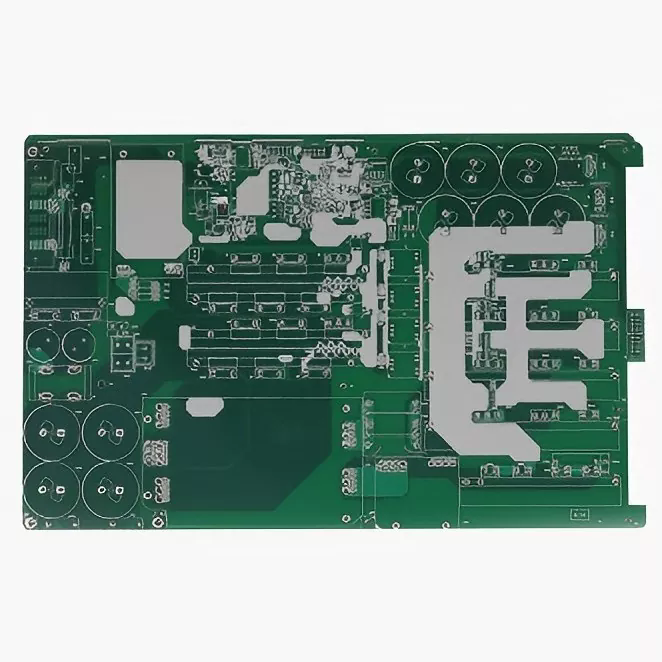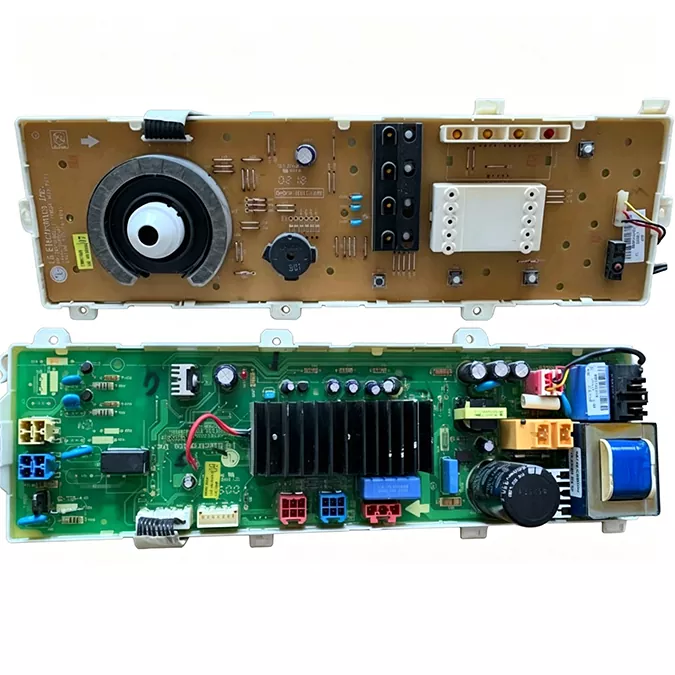

How Does Dishwashers PCB Assembly Improve the Reliability and Performance of Modern Dishwashers
Article Summary: As modern home appliances become increasingly intelligent, electronic control systems play a critical role in dishwasher performance. Aisen provides professional Dishwashers PCB Assembly solutions designed to support stable operation, precise control, and long-term reliability in demanding kitchen environments. From moisture-resistant materials and advanced multilayer PCB manufacturing to precision SMT assembly and comprehensive electrical testing, selecting the right manufacturing partner helps appliance manufacturers develop dependable dishwasher products. This article explores dishwasher PCB functions, manufacturing processes, technical specifications, quality assurance, and the factors buyers should consider when choosing a PCBA supplier.
Table of Contents
1. Introduction to Dishwashers PCB Assembly
2. What Functions Does a Dishwasher PCB Perform?
3. Key Manufacturing Challenges for Dishwasher PCBs
4. How Is a Dishwasher PCB Manufactured and Assembled?
5. Technical Specifications and Manufacturing Capabilities
6. Why Is Moisture Protection Important?
7. Quality Control and Reliability Testing
8. How to Choose the Right Dishwasher PCBA Manufacturer
9. Applications and Future Development Trends
10. Frequently Asked Questions
1. Introduction to Dishwashers PCB Assembly
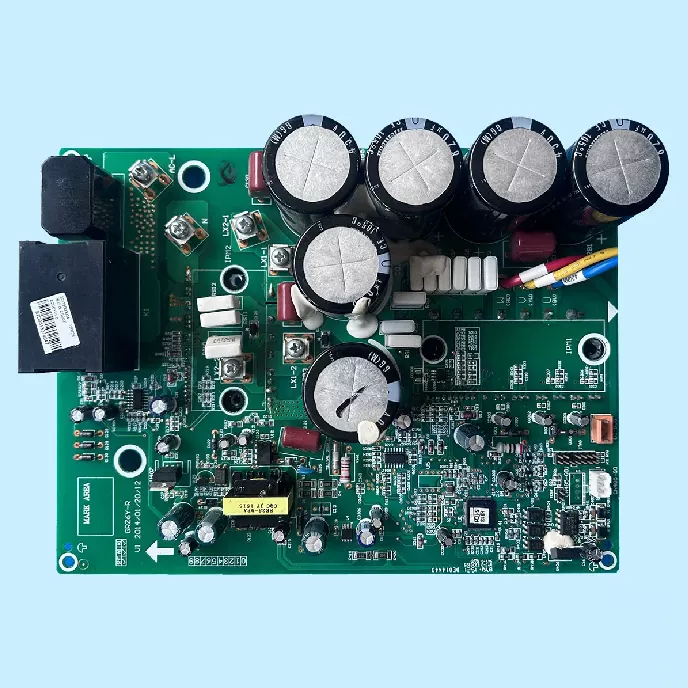
Modern dishwashers are no longer simple mechanical appliances. They integrate electronic sensors, heating systems, water pumps, motor controllers, and intelligent operating interfaces to deliver efficient and convenient cleaning performance. At the center of these functions is the printed circuit board, which coordinates communication between different electrical components.
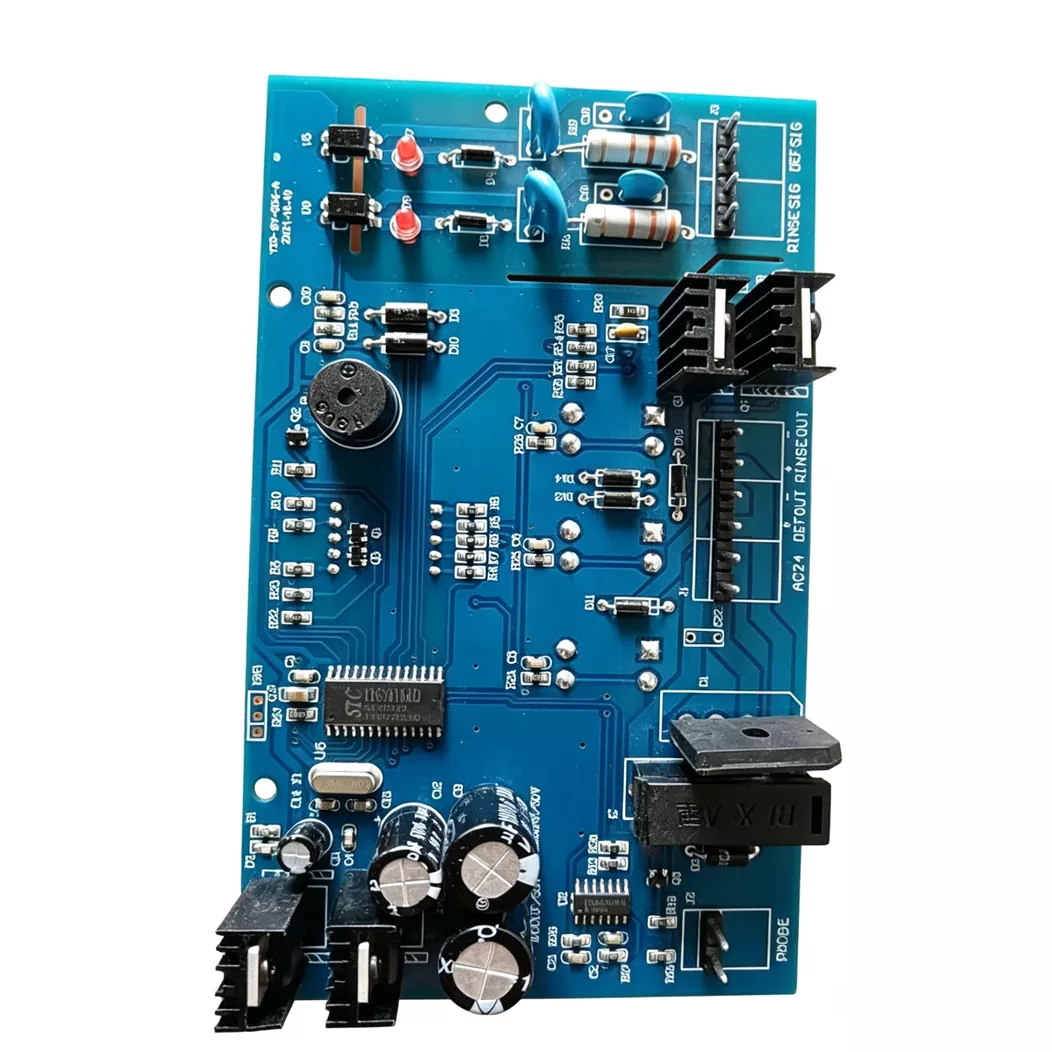
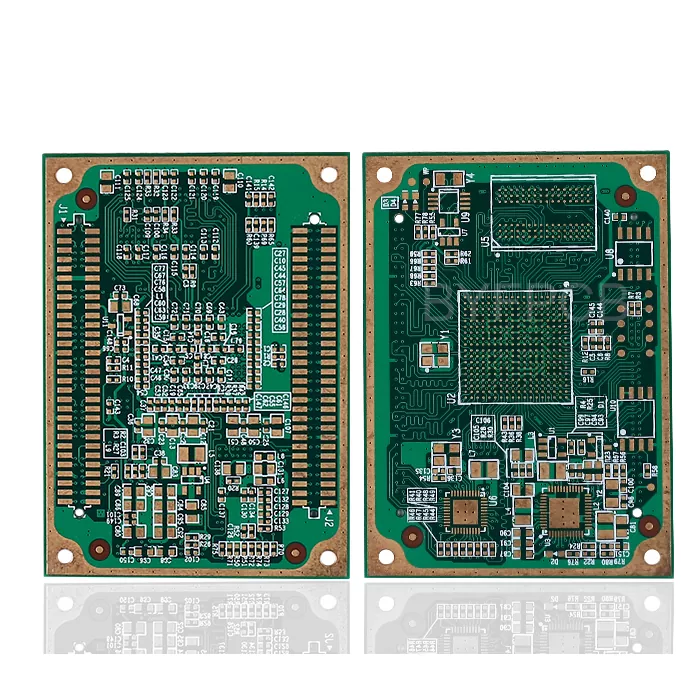
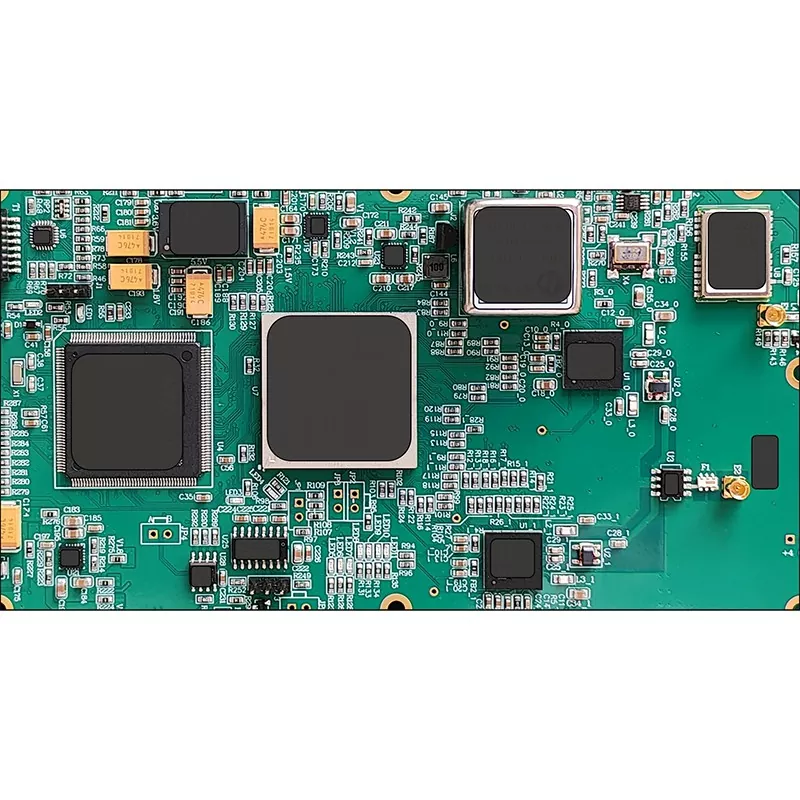
Dishwashers PCB Assembly refers to the manufacturing and assembly process that transforms a bare printed circuit board into a functional electronic control unit for dishwasher applications. This process involves PCB fabrication, electronic component sourcing, surface mount technology (SMT), through-hole assembly, soldering, inspection, and electrical testing.
Unlike standard consumer electronics, dishwasher control boards must operate reliably in environments characterized by humidity, steam, temperature fluctuations, and mechanical vibration. These conditions make material selection, circuit design, assembly precision, and protective measures particularly important.
Aisen Electronics specializes in customized PCB and PCBA manufacturing for home appliance manufacturers and other electronics industries. With multilayer PCB, HDI, rigid-flex, and complete assembly capabilities, the company supports projects ranging from initial prototypes to mass production.
2. What Functions Does a Dishwasher PCB Perform?
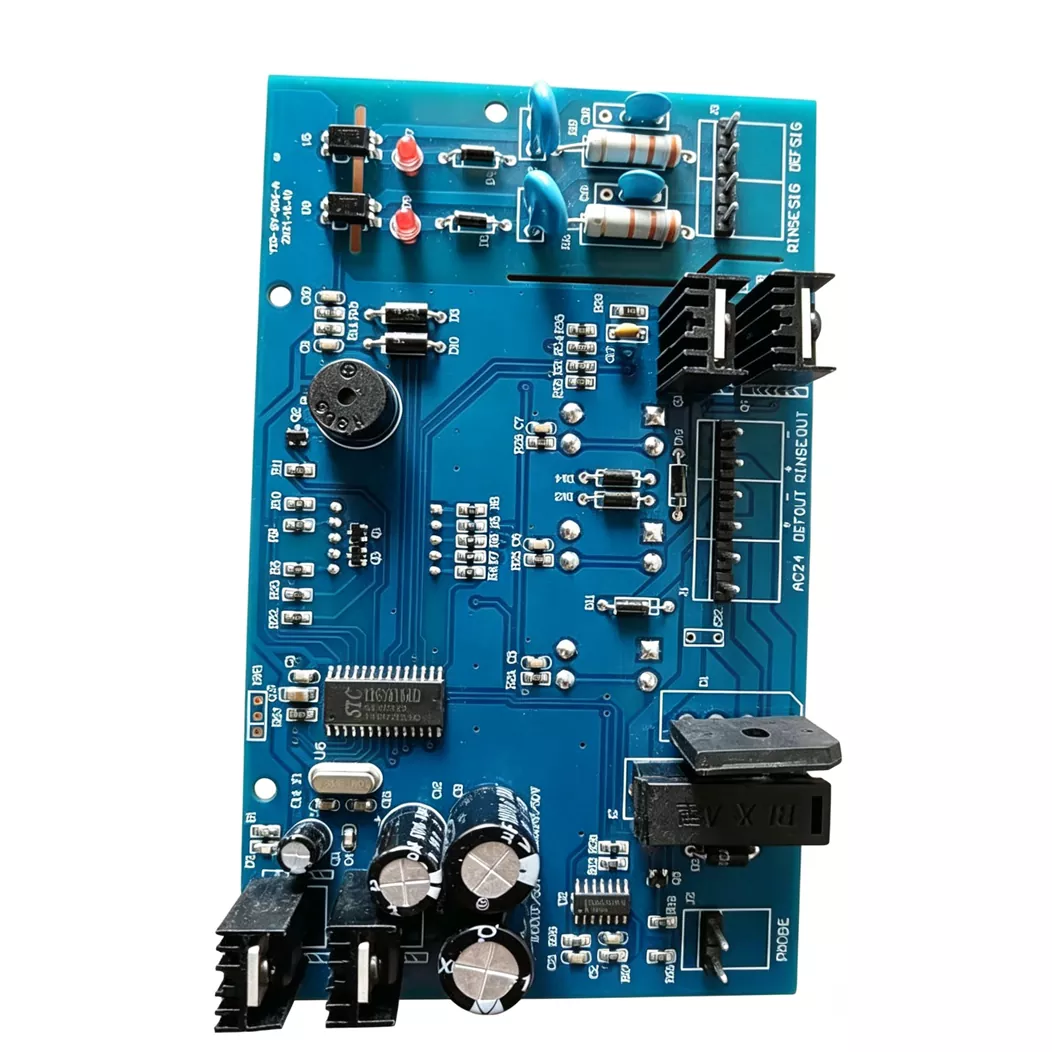
The dishwasher PCB acts as the central electronic control unit. It receives information from different sensors, processes operating instructions, and sends signals to the components responsible for completing each washing program.
Water Level and Inlet Control
Water management is essential for effective dishwasher operation. The control board processes signals from water-level sensors and coordinates the inlet valve to maintain the required water volume. Accurate electronic control helps prevent insufficient water supply and unnecessary water consumption.
Temperature Regulation
Dishwasher heating systems require accurate temperature management. The PCB receives temperature information and controls the heating element according to the selected washing program. Proper regulation supports effective cleaning while helping protect internal components from abnormal operating conditions.
Pump and Motor Management
The circulation pump distributes water throughout the washing chamber, while the drainage pump removes used water. The control board coordinates these operations according to the programmed cleaning sequence.
Washing Programs and User Interface
Modern appliances may include multiple washing modes, digital displays, touch controls, and intelligent operating functions. The dishwasher PCB processes user commands and coordinates the corresponding operating parameters.
Its major functions can be summarized as follows:
- Controlling water inlet and water-level monitoring.
- Managing heating elements and temperature sensors.
- Coordinating circulation pumps and drainage systems.
- Executing washing, rinsing, and drying sequences.
- Processing user commands and display information.
- Supporting communication between electronic modules.
- Monitoring abnormal operating conditions through connected sensors.
Reliable PCB assembly ensures that these functions work together consistently throughout repeated dishwasher operating cycles.
3. Key Manufacturing Challenges for Dishwasher PCBs
Dishwasher electronics operate under more demanding conditions than many ordinary indoor electronic products. Manufacturers must consider several environmental and electrical factors when developing reliable control boards.
3.1 Humidity and Water Exposure
Steam and moisture can gradually affect electronic components, solder joints, and exposed conductive areas. If moisture protection is insufficient, corrosion, leakage current, and electrical failures may occur.
Appropriate PCB materials, solder mask protection, surface finishes, and conformal coating options can help improve environmental resistance.
3.2 Temperature Fluctuations
Dishwashers experience repeated heating and cooling cycles. These temperature changes create thermal stress on PCB materials, solder connections, and electronic components. Manufacturers should evaluate thermal requirements during component selection and PCB layout development.
3.3 Electrical Reliability
Different dishwasher modules have different electrical requirements. Heating elements and motor-related circuits may require higher current capacity, while sensor and communication circuits depend on stable signal transmission.
Appropriate copper thickness, trace width, insulation spacing, and impedance control should be considered according to the actual electrical design.
3.4 Compact Design Requirements
Modern dishwashers increasingly integrate more electronic functions into limited installation spaces. This creates demand for compact multilayer boards, fine-pitch components, and advanced assembly techniques.
Working with an experienced PCBA manufacturer helps appliance developers balance board dimensions, electrical performance, component density, and production feasibility.
4. How Is a Dishwasher PCB Manufactured and Assembled?
A dependable dishwasher control board requires a controlled manufacturing process. Each production stage contributes to the final product's electrical performance and mechanical reliability.
Step 1: PCB Design and Engineering Review
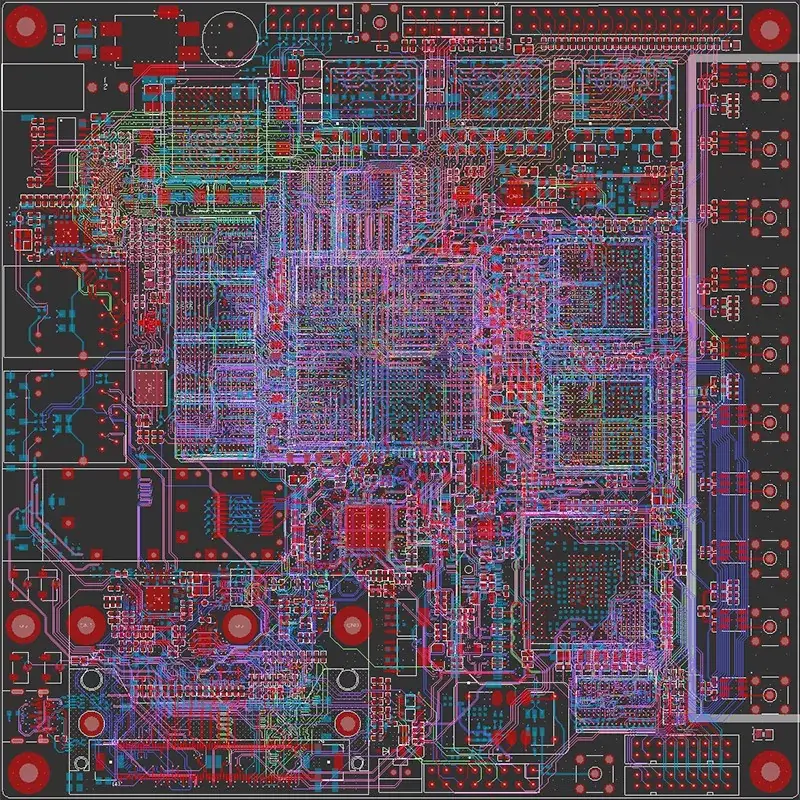
The process begins with reviewing Gerber files, BOM information, component footprints, circuit layouts, and electrical requirements. Engineers evaluate manufacturability, component placement, and production risks before manufacturing begins.
Step 2: Raw Material Preparation
Suitable PCB substrates and copper materials are selected according to the application's electrical, mechanical, and environmental requirements. Material quality directly influences insulation performance, dimensional stability, and long-term reliability.
Step 3: PCB Fabrication
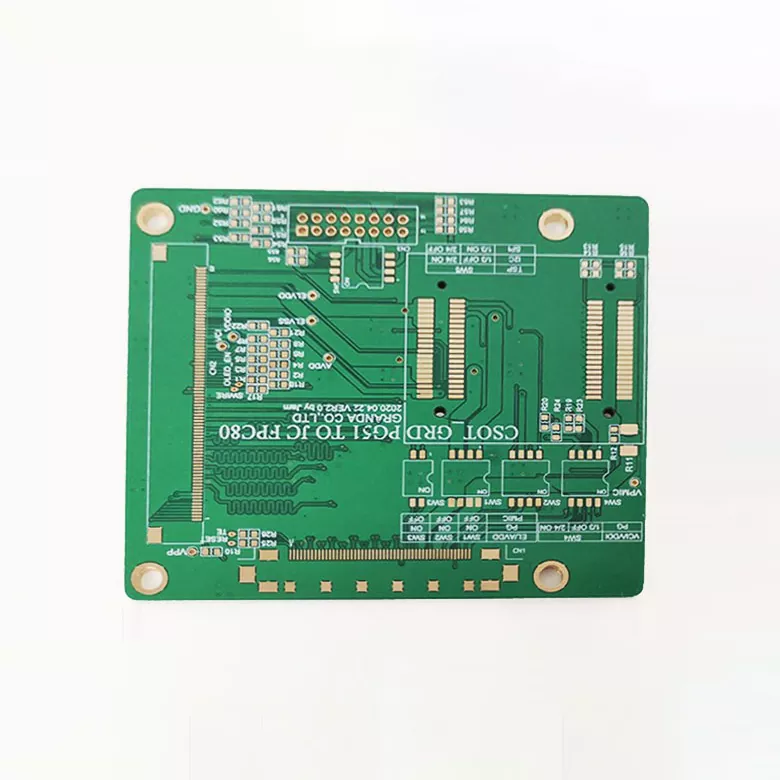
Depending on board complexity, manufacturing may involve inner-layer imaging, lamination, precision drilling, copper plating, circuit pattern formation, solder mask application, and surface finishing.
Aisen provides multilayer PCB manufacturing with a documented 25-step process for multilayer boards and controlled manufacturing procedures for double-sided boards.
Step 4: Component Sourcing and SMT Assembly
Electronic components are sourced according to the approved bill of materials. Surface mount technology places components accurately onto the PCB, followed by controlled reflow soldering.
For components requiring additional mechanical or electrical connections, through-hole assembly can also be incorporated.
Step 5: Inspection and Electrical Testing
Automated Optical Inspection (AOI) helps identify soldering and placement defects. Electrical testing verifies circuit connectivity and checks for potential manufacturing issues before shipment.
Step 6: Final Inspection and Packaging
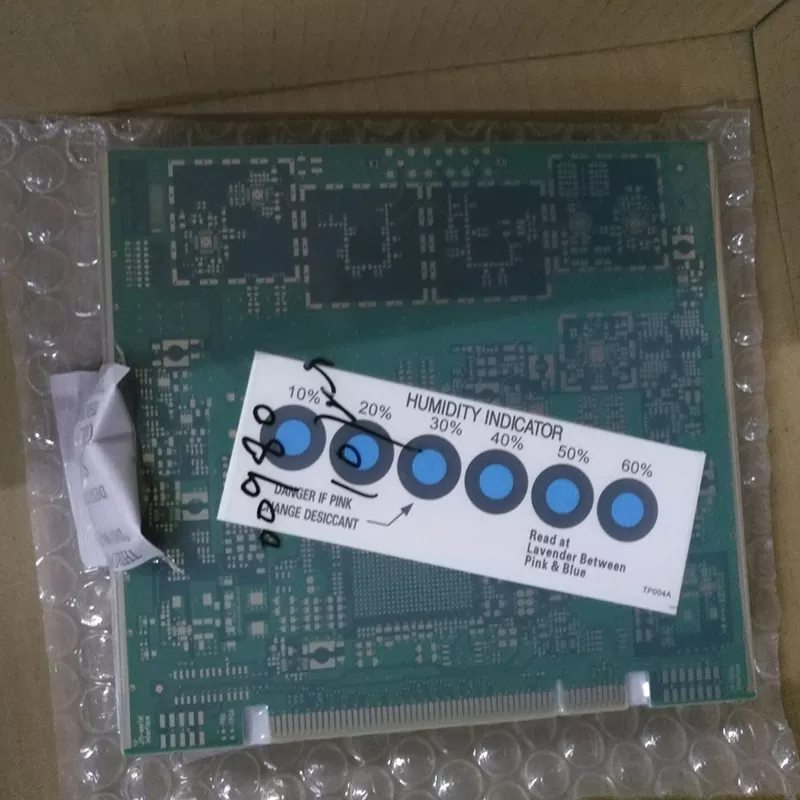
Completed assemblies undergo final appearance checks, functional verification where specified, and packaging according to customer requirements. Appropriate handling and packaging help protect finished boards during transportation and storage.
5. Technical Specifications and Manufacturing Capabilities
When sourcing Dishwashers PCB Assembly, buyers should evaluate manufacturing capabilities against the actual electrical and mechanical requirements of their products. Board layer count, copper thickness, drilling accuracy, and assembly precision can all influence the final result.
Aisen Electronics offers a range of PCB fabrication and assembly capabilities suitable for different appliance control applications.
| Technical Parameter | Manufacturing Capability | Application Consideration |
|---|---|---|
| PCB Layer Count | 1–32 layers | Supports different control circuit complexities. |
| Maximum Panel Size | 650 × 750 mm | Provides flexibility for different board dimensions. |
| Board Thickness | 0.3–5.0 mm | Supports different mechanical and structural requirements. |
| Minimum Mechanical Hole | 0.2 mm | Supports compact circuit layouts. |
| Minimum Microvia | 0.1 mm | Suitable for advanced HDI designs. |
| Maximum Copper Thickness | 6 oz | Supports demanding current-carrying requirements. |
| Minimum Line Width and Spacing | 0.076 mm | Supports fine circuit patterns. |
| Impedance Control | ±10%; special requirements down to ±8% | Supports controlled signal transmission. |
| Hole Copper Thickness | 18 μm or above; 25 μm available | Supports electrical connection reliability. |
| HDI Structure | 1+N+1 and 2+N+2 | Supports high-density circuit integration. |
| Maximum Aspect Ratio | 12:1 | Supports more demanding drilling structures. |
| Smallest SMT Component | 01005 chip resistor | Supports high-density electronic assembly. |
These specifications represent manufacturing capabilities rather than universal requirements for every dishwasher project. The final configuration should be determined by reviewing the product design, operating environment, and performance expectations.
For additional information, explore Aisen's Dishwashers PCB Assembly manufacturing solutions.
6. Why Is Moisture Protection Important?
Moisture resistance is one of the most important considerations in dishwasher PCB design and manufacturing. Even when the control board is installed inside a protected electronic compartment, prolonged exposure to humidity and temperature changes can affect its performance.
Protective Coating Solutions
Conformal coatings create a protective layer over selected PCB surfaces and electronic components. Depending on the application, coating materials can help reduce the effects of humidity, condensation, and environmental contaminants.
Aisen offers protective coating options with different colors and finishes, including green, white, black, yellow, red, blue, purple, and brown, as well as glossy and matte appearances.
Additional Protection Considerations
- Material selection: Choose substrates with suitable thermal and electrical properties.
- Surface treatment: Evaluate HASL, ENIG, OSP, or immersion silver according to solderability and application requirements.
- Solder mask quality: Maintain appropriate coverage and insulation protection.
- Component positioning: Consider moisture exposure and heat distribution when arranging sensitive components.
- Assembly quality: Control soldering quality to reduce defects that could affect long-term operation.
- Protective coating: Select an appropriate coating process based on the finished appliance's environmental conditions.
It is important to understand that conformal coating alone does not guarantee waterproof performance. The complete electronic enclosure, connectors, sealing structure, and manufacturing process must work together to provide the required environmental protection.
7. Quality Control and Reliability Testing
Quality assurance is essential when manufacturing electronic control boards for household appliances. A small assembly defect can affect washing performance, heating control, or communication between electronic modules.
Professional Dishwashers PCB Assembly suppliers should establish inspection procedures throughout the manufacturing process rather than relying exclusively on final inspection.
Incoming Quality Control
Incoming materials and electronic components should be checked against approved specifications. This helps reduce the risk of incorrect materials, damaged components, and inconsistent production quality.
In-Process Quality Control
Production monitoring includes first-article verification, process inspections, soldering quality checks, and assembly parameter control. AOI systems can identify component placement and soldering defects during production.
Final Quality Verification
Finished boards should undergo appropriate electrical testing, visual inspection, and functional verification based on the customer's testing requirements.
Aisen identifies the following quality objectives in its manufacturing information:
| Quality Indicator | Target | Purpose |
|---|---|---|
| Product Yield | ≥ 99.8% | Monitors production consistency. |
| On-Time Delivery Rate | ≥ 99% | Supports customer production schedules. |
| Customer Complaint Rate | ≤ 0.5% | Monitors customer-reported quality issues. |
| Customer Satisfaction | ≥ 98% | Measures overall service performance. |
These are stated quality objectives, not guaranteed results for every individual production order. Project-specific inspection and acceptance criteria should be confirmed before production.
8. How to Choose the Right Dishwasher PCBA Manufacturer
Selecting a reliable manufacturing partner is an important purchasing decision for dishwasher brands, OEM manufacturers, and appliance electronics developers. The right supplier should provide more than basic circuit board production.
Consider the following factors when evaluating potential manufacturers:
- PCB manufacturing experience: Evaluate experience with double-sided, multilayer, and high-density circuit boards.
- Complete PCBA capabilities: Confirm support for component sourcing, SMT, through-hole assembly, and testing.
- Environmental protection expertise: Check whether the supplier can accommodate moisture-resistant materials and protective coating requirements.
- Technical engineering support: Choose a manufacturer capable of reviewing PCB files, BOMs, and design requirements before production.
- Quality management: Review inspection procedures, AOI capabilities, electrical testing, and traceability arrangements.
- Production flexibility: Ensure the supplier can support prototype development, small batches, and volume production.
- Communication and delivery: Evaluate quotation responsiveness, engineering communication, and production scheduling.
Aisen Electronics provides PCB manufacturing and PCBA services for home appliance and other electronics applications. Its capabilities cover multilayer PCB production, HDI technology, component procurement, SMT assembly, through-hole assembly, and quality inspection.
For buyers developing new dishwasher products, working with one supplier across PCB fabrication and assembly can simplify communication and help coordinate production requirements.
9. Applications and Future Development Trends
The development of intelligent home appliances is increasing the importance of advanced electronic control systems. Dishwasher PCBs must support more functions while maintaining compact dimensions, stable electrical performance, and efficient manufacturing costs.
Smart Dishwasher Control Systems
Smart dishwashers may incorporate digital interfaces, sensor monitoring, intelligent washing programs, and communication modules. These functions increase circuit complexity and can create demand for multilayer PCB and high-density assembly technologies.
Energy and Water Efficiency
Advanced electronic control systems help coordinate heating, pumping, and washing cycles. More precise sensor feedback and program management can support appliance designs focused on efficient resource utilization.
Compact Electronic Integration
As manufacturers integrate additional control functions into smaller spaces, HDI technology and precision SMT assembly become increasingly relevant. These technologies allow designers to optimize circuit routing and component placement.
Flexible Manufacturing Requirements
Appliance manufacturers often need to manage product revisions, different market configurations, and changing production volumes. A PCBA supplier with prototype and mass-production capabilities can help support these development stages.
As a result, the future of dishwasher electronics will depend not only on advanced circuit design but also on consistent manufacturing quality and reliable component integration.
10. Frequently Asked Questions
Q1: What is Dishwashers PCB Assembly?
Dishwashers PCB Assembly is the process of installing and soldering electronic components onto printed circuit boards designed for dishwasher control systems. It includes PCB fabrication, component sourcing, SMT placement, through-hole assembly, inspection, and electrical testing. The finished PCBA controls functions such as water intake, heating, pump operation, drainage, and washing programs.
Q2: Why do dishwasher control boards require moisture protection?
Dishwashers operate in environments where steam, humidity, and temperature fluctuations are common. Moisture can contribute to corrosion, electrical leakage, and component degradation. Suitable PCB materials, protective coatings, solder mask quality, and appropriate enclosure design help improve environmental reliability.
Q3: Which PCB types are suitable for dishwasher applications?
Single-sided, double-sided, and multilayer PCBs can all be used depending on the circuit complexity and electrical requirements. Basic control systems may use simpler board structures, while advanced dishwashers with digital displays, sensor networks, and communication functions may require multilayer or HDI designs.
Q4: Does Aisen provide complete dishwasher PCBA manufacturing services?
Yes. Aisen Electronics provides PCB and PCBA manufacturing services, including component sourcing, SMT assembly, through-hole assembly, and inspection. These capabilities help appliance manufacturers coordinate bare board production and electronic component assembly through one manufacturing partner.
Q5: What is the smallest component Aisen can assemble?
Aisen's stated SMT assembly capability supports components as small as 01005 chip resistors. This capability is useful for compact electronic designs requiring high component density. Actual assembly feasibility depends on the component package, PCB layout, and production requirements.
Q6: What surface finishes are available for dishwasher PCBs?
Available surface treatment options include HASL, ENIG, OSP, and immersion silver. The appropriate finish depends on component requirements, solderability, storage conditions, production processes, and the intended application.
Q7: Can Aisen support dishwasher PCB prototypes and mass production?
Yes. Aisen supports prototype development, small-batch production, and mass manufacturing. Its production capabilities allow customers to evaluate PCB designs during early development and proceed toward larger manufacturing volumes as project requirements evolve.
Q8: What information is needed to request a dishwasher PCB assembly quotation?
For an accurate quotation, buyers should ideally provide Gerber files, BOM documents, PCB dimensions, layer count, required quantities, assembly drawings, and any special environmental or testing requirements. Additional information about the dishwasher's operating conditions can also help engineers evaluate the appropriate manufacturing solution.
11. Conclusion: Build More Reliable Dishwashers with Professional PCB Assembly
Reliable electronic control is essential to the performance, safety, and functionality of modern dishwashers. From water management and temperature regulation to motor coordination and intelligent washing programs, every electronic function depends on a well-designed and carefully assembled control board. Choosing the right Dishwashers PCB Assembly partner helps appliance manufacturers improve production consistency, address environmental challenges, and develop competitive products.
Aisen Electronics combines multilayer PCB fabrication, HDI technology, component sourcing, SMT and through-hole assembly, and comprehensive quality inspection to support customized appliance electronics projects. Whether you are developing a new dishwasher control system, upgrading an existing PCB design, or preparing for large-scale production, Aisen can provide manufacturing support tailored to your technical requirements. Visit our Dishwashers PCB Assembly product page to learn more, or contact us at violet@akesonpcb.com to discuss your PCB specifications, request a customized quotation, and explore a reliable manufacturing solution for your next dishwasher project.
Related News
- What Makes a High-Quality Dryer PCB Assembly Critical for Modern Appliance Performance
- How Does a High-Quality TV PCB Board Improve Television Performance and Reliability
- How Can a Flow Rate And Dispensing Systems PCB Improve Fluid Measurement Accuracy and Equipment Reliability
- How Can an Electrical Muscle Stimulation Equipment PCB Improve Device Precision, Safety, and Reliability
- Is a Semiconductor Testing PCB the Weak Link in Your Test Setup
- How Can a Converter and Selector PCB Improve Electronic Control, Reliability, and Design Flexibility
Leave me a message
News Recommendations